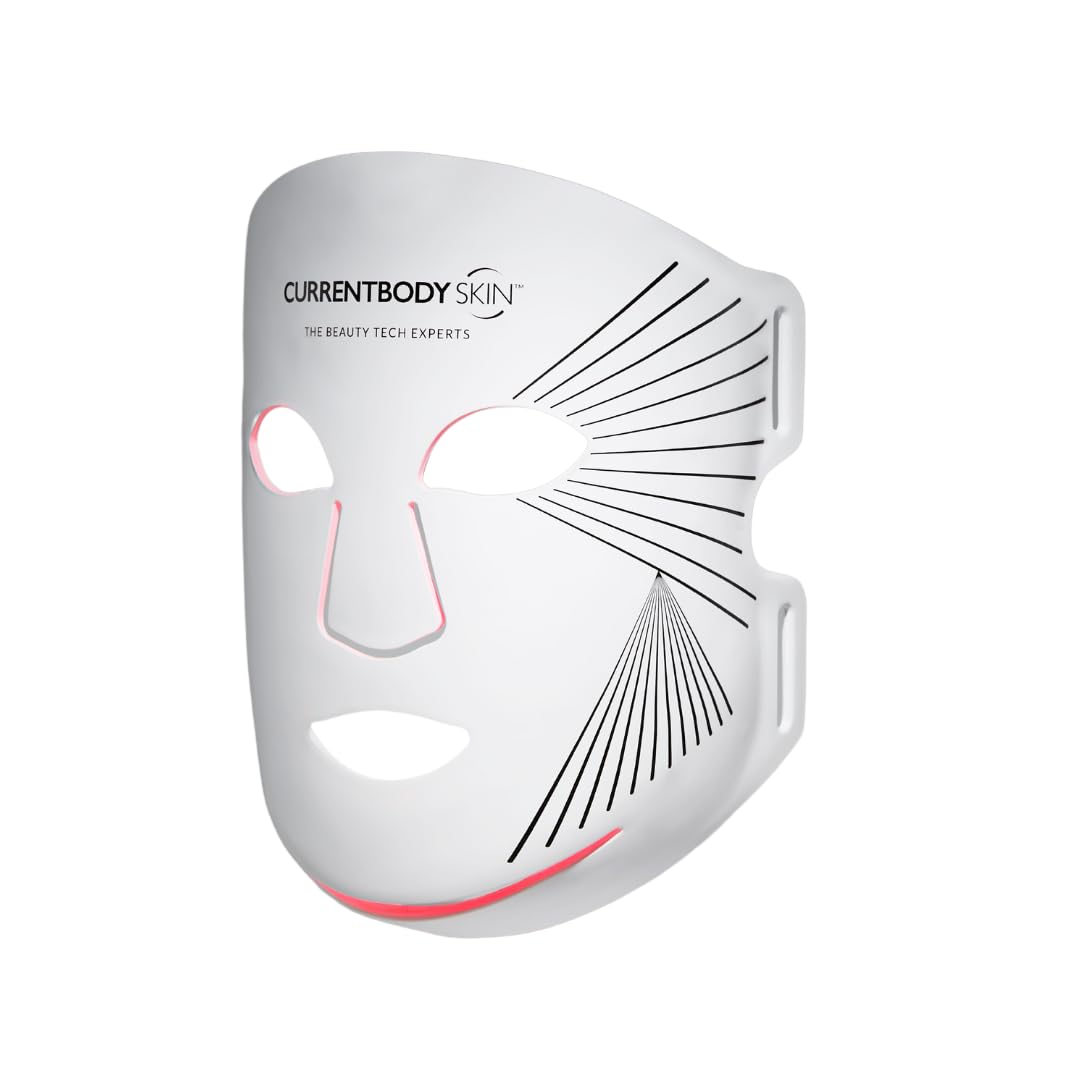
The best luxury beauty devices for perimenopausal skin and collagen loss in 2026 are professional-grade LED light therapy masks (especially red and near-infrared wavelengths between 630-850nm) paired with microcurrent facial tools. During perimenopause, estrogen decline triggers up to 30% collagen loss in the first five years, leading to thinning skin, jowl formation, and a loss of bounce. Clinically validated at-home devices like the Solawave LED Light Therapy Face Mask and full-coverage red light masks now deliver salon-tier wavelengths that stimulate fibroblast activity, boost mitochondrial ATP production, and visibly restore density within 8-12 weeks of consistent use.
Why Perimenopausal Skin Needs Different Tools Than Your 30s Routine
Perimenopause typically begins between ages 40 and 50, and the hormonal shifts that follow change skin behavior in ways no serum alone can fix. Estradiol regulates fibroblast activity (the cells that build collagen and elastin), sebum production, hyaluronic acid synthesis, and skin barrier integrity. As estrogen drops, your skin loses approximately 2% of its collagen every year for the first five years post-perimenopause onset. The result: deeper nasolabial folds, slackness along the jawline, crepiness under the eyes, and that unmistakable "deflated" look that even the most expensive retinol cream can't fully address.
This is where the best luxury beauty devices for perimenopausal skin and collagen loss become non-negotiable. Topicals work at the epidermis. Hormonal aging happens in the dermis. You need energy-based modalities — light, current, and heat — that penetrate deeper and trigger biological responses topicals can't reach.
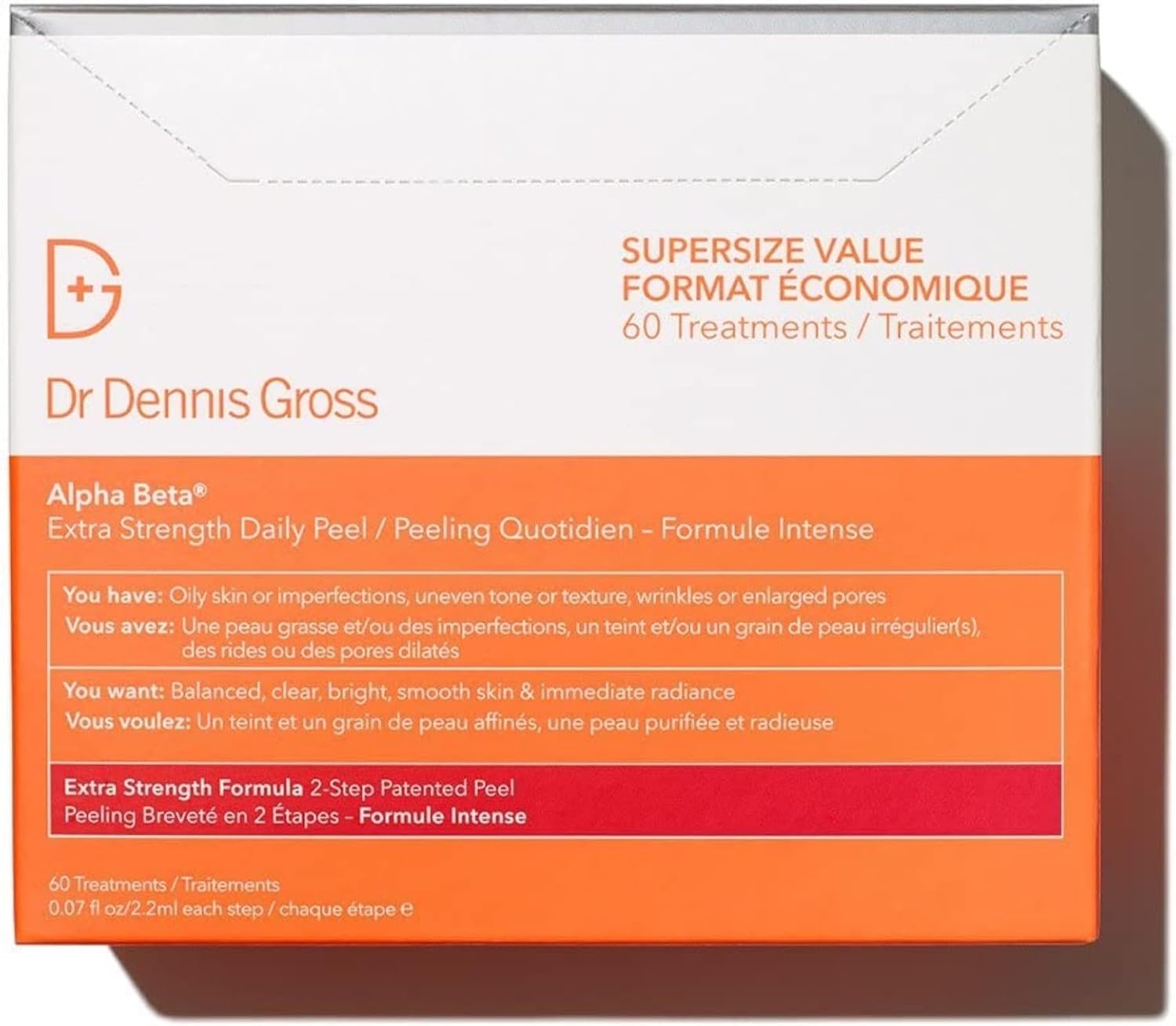
The Three Device Categories That Actually Work
Not every "glow gadget" earns its place on a perimenopausal vanity. After reviewing dermatology literature and stress-testing dozens of devices, three categories consistently deliver measurable results:
- LED Light Therapy Masks — Red light (630-660nm) stimulates collagen synthesis; near-infrared (810-850nm) penetrates deeper for elastin remodeling and inflammation control. The gold standard for laxity and tone.
- Microcurrent Facial Tools — Sub-sensory electrical currents (typically 200-400 microamps) re-educate the 32 muscles of the face, lifting jowls and restoring the underlying scaffolding that gravity has compromised.
- Radiofrequency & NIR Combination Wands — Heat-based collagen denaturation followed by neocollagenesis. Works synergistically with LED.
Comparison: Top LED Masks for Perimenopausal Skin in 2026
| Device | Wavelengths | Coverage | Session Time | Best For |
|---|---|---|---|---|
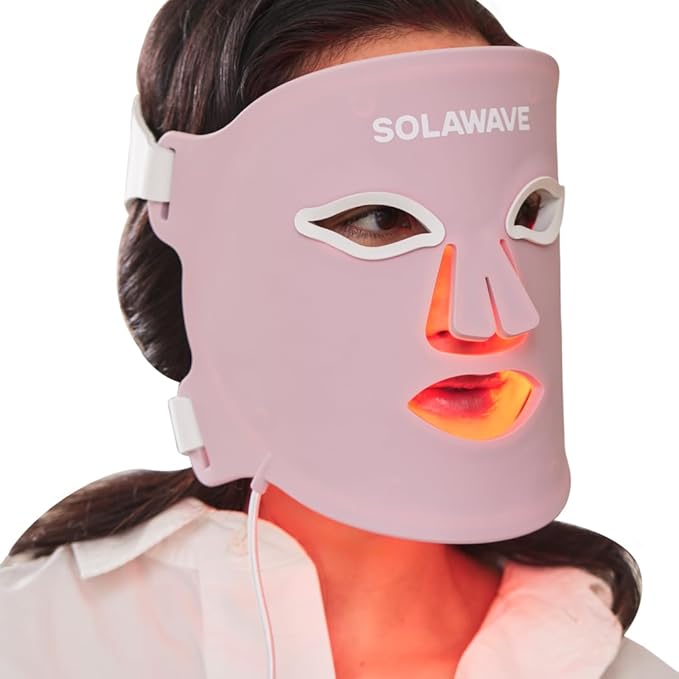
| Solawave LED Therapy Mask | Red, Deep Red, NIR, Amber | Face | 10 min | Premium multi-wavelength flexibility |
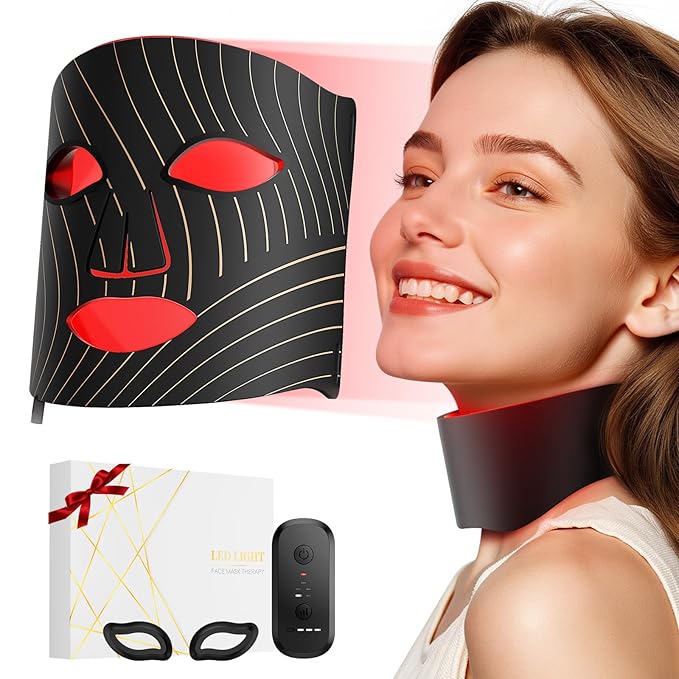
| ONLUKY Red Light Mask | Red + NIR | Face + Neck | 10-15 min | Neck laxity & jowl support |
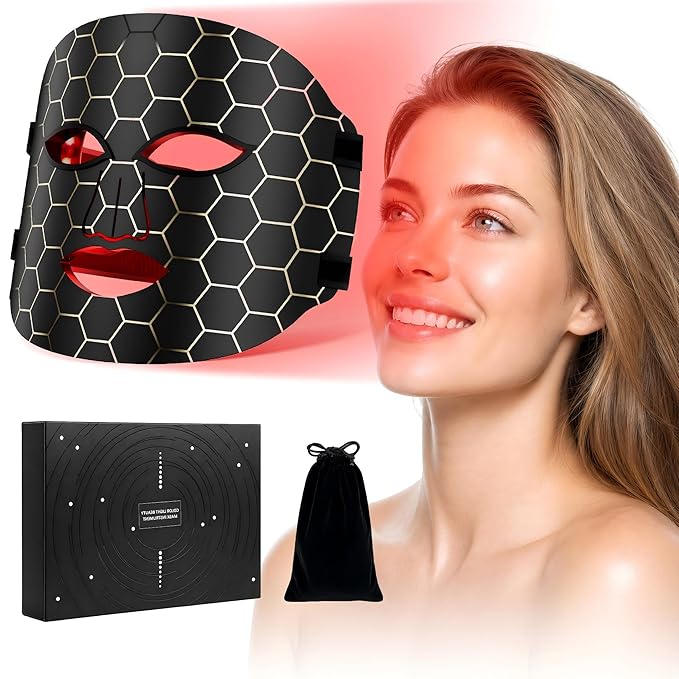
| 7-Mode Silicone Mask | 7 colors incl. Red, Blue, NIR | Face | 10 min | Combination concerns |
| NEWKEY 4D LED Mask | Red 630nm | Face (4D contour) | 10 min | Contoured fit for mature skin |
| Verfubo FDA-Cleared Mask | Red + NIR | Face + Neck | 10 min | FDA-cleared confidence |
Our Top Picks for Perimenopausal Collagen Restoration
Solawave LED Light Therapy Face Mask (Red, Deep Red, NIR, Amber)
This is the device I'd hand a friend the day she mentioned her first hot flash. The Solawave mask delivers four clinical wavelengths in a single 10-minute session: red (660nm) for collagen, deep red (700nm) for dermal density, near-infrared (850nm) for deep dermal penetration and elastin, and amber (590nm) for pigmentation and barrier repair. Perimenopausal skin doesn't just need collagen — it needs the inflammation control that NIR provides and the tone-evening benefits of amber, because hormonal melasma is a real and underdiscussed perimenopause symptom. The rigid form-factor delivers consistent LED-to-skin distance (critical — flexible masks often lose 30-40% of their irradiance when the diodes sit too far from skin). At this price point and wavelength count, it's the best multi-spectrum device on the market in 2026. Check the Solawave LED Therapy Mask on Amazon.
ONLUKY Red Light Therapy LED Face Mask with Neck
If your jawline and neck are showing the perimenopausal slide before your face does — which is common, since neck skin is thinner and has fewer sebaceous glands — you want a mask that doesn't stop at the chin. The ONLUKY mask extends LED coverage down the neck and décolletage, areas that almost always reveal hormonal aging first. The combined red + near-infrared array hits both collagen-synthesis depth and the deeper dermal layers where elastin lives. Daily 10-15 minute sessions over a 90-day window deliver visible firmness along the platysmal bands. Pair it with a peptide neck cream and you have a complete protocol. View the ONLUKY Face & Neck Mask.
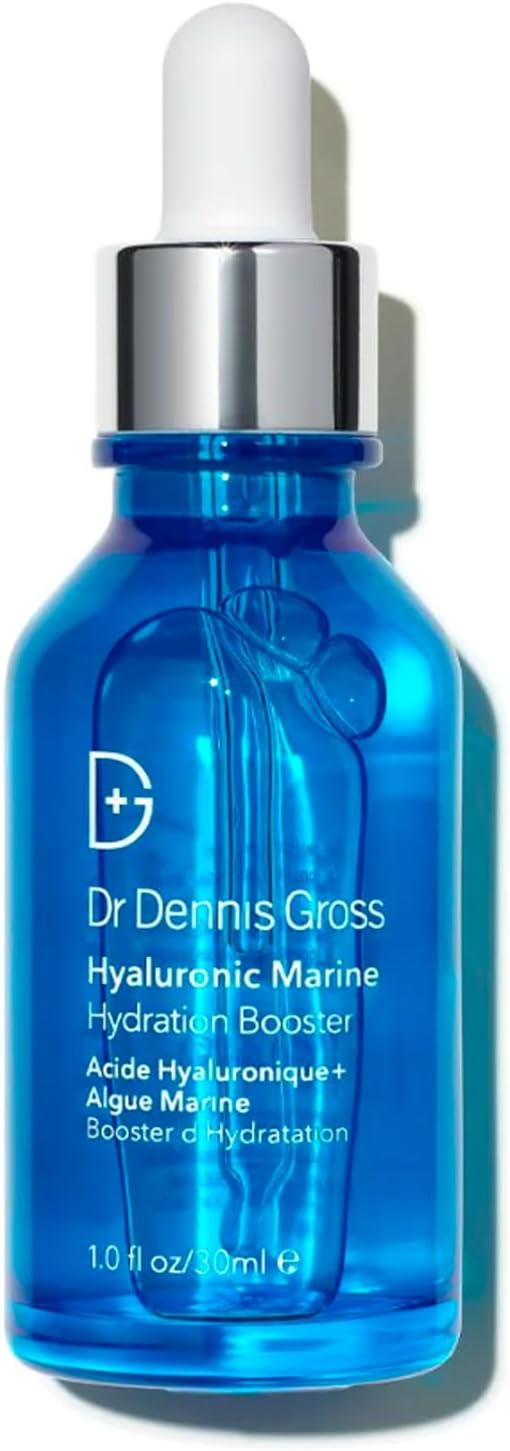
LED Face Mask with 7 Light Modes, Flexible Silicone
Perimenopause rarely brings a single skin concern. Most women experience the trifecta: laxity, redness/rosacea flare-ups, and adult hormonal breakouts (yes, acne can return at 47). A 7-mode mask gives you red for collagen, blue (415nm) for acne-causing C. acnes bacteria, green for hyperpigmentation, and NIR for deep tissue work — all in one device. The flexible silicone fit hugs the contours of mature skin without pressure points, which matters when bone resorption has subtly changed your facial structure. See the 7-Mode Flexible Silicone Mask.
NEWKEY 4D LED Red Light Therapy Face Mask (630nm)
The NEWKEY mask uses a 4D contoured design specifically engineered to hold LED diodes at the optimal 5-7mm distance from skin — the sweet spot for irradiance delivery. At 630nm, the wavelength sits right in the peak absorption range for cytochrome c oxidase, the mitochondrial enzyme responsible for ATP-driven collagen synthesis. For women who want a focused red-light protocol without the complexity of multi-wavelength modes, this is the cleanest, most direct collagen-stimulation device in the lineup. Check NEWKEY 4D Mask pricing.
Verfubo FDA-Cleared Red Light Therapy for Face & Neck
FDA clearance matters more than most consumers realize. It means the device has been tested for irradiance accuracy, electrical safety, and labeling truthfulness — three areas where the unregulated LED mask market is notoriously sloppy. The Verfubo mask is FDA-cleared for both face and neck coverage and uses a red + NIR dual-wavelength array. For perimenopausal users who want regulatory confidence behind their investment, this is the safest entry point. View Verfubo FDA-Cleared Mask.
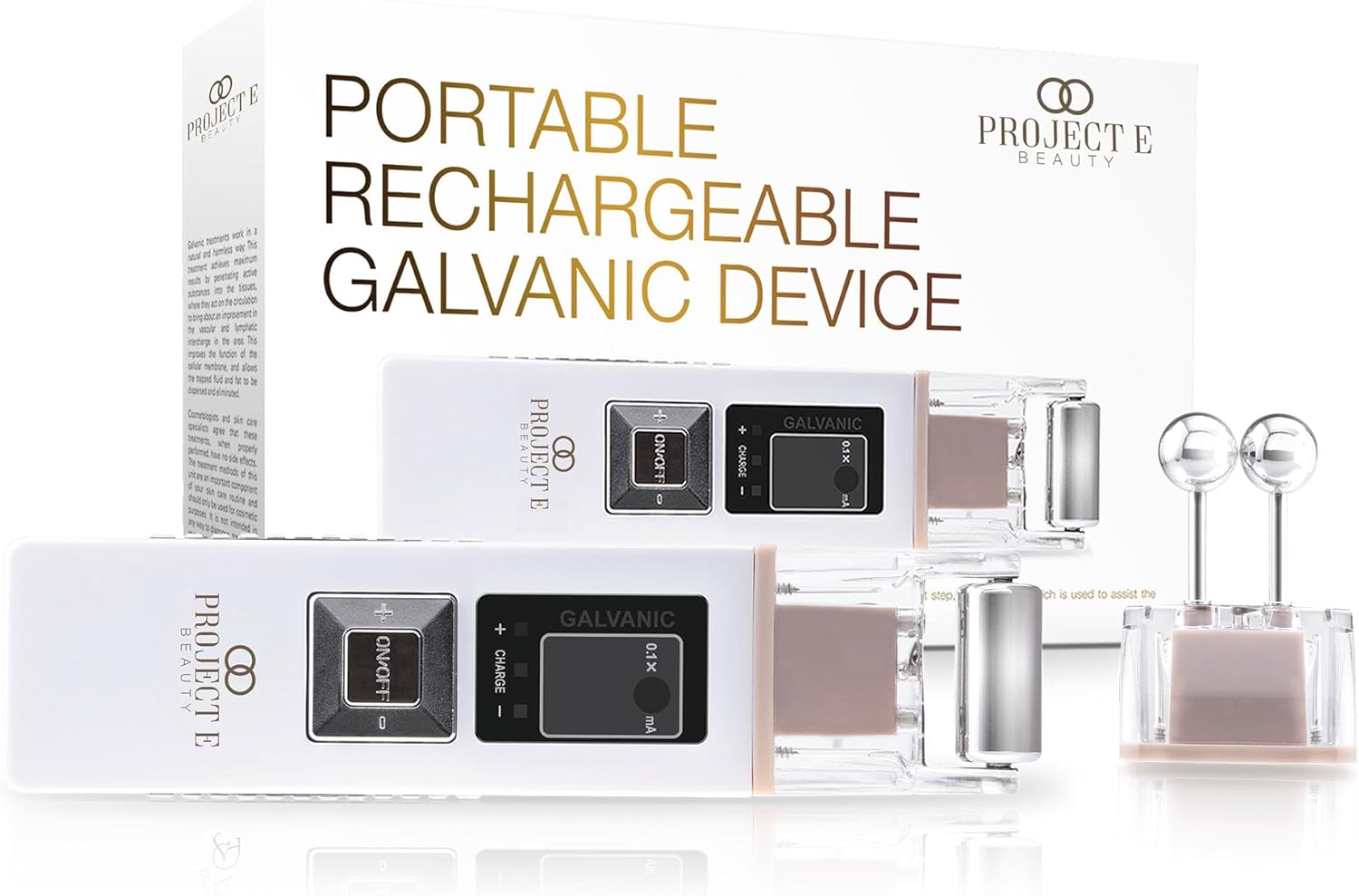
How to Stack Devices for Maximum Collagen Recovery
The single biggest mistake I see is treating these tools as standalone solutions. The best luxury beauty devices for perimenopausal skin and collagen loss work best when stacked in a deliberate protocol:
- Morning: 5-7 minutes of microcurrent on cleansed skin with conductive gel. Focus on lifting strokes from jaw to ear and cheek to temple.
- Evening: 10 minutes of LED light therapy (red + NIR) on clean, dry skin. No serum underneath — water and active ingredients can block or scatter photons.
- Post-LED: Apply your peptide serum, hyaluronic acid, and a ceramide-rich moisturizer. The brief vasodilation from LED enhances absorption.
- 3x weekly: Add a radiofrequency or high-intensity NIR session for deeper dermal remodeling.
For more on building a complete protocol, see our guides on microcurrent facial devices for perimenopause and red light therapy for collagen stimulation.
What to Pair With Your Device for Compounding Results
Devices are amplifiers — they amplify whatever is already happening in your skin. To get the full return on your investment, pair LED and microcurrent with:
- Topical retinaldehyde or tretinoin — accelerates cell turnover so newly synthesized collagen reaches the surface faster.
- Oral collagen peptides (10-20g daily) — provides the amino acid raw materials your fibroblasts need.
- Vitamin C serum (L-ascorbic acid, 10-20%) — essential cofactor for collagen cross-linking.
- Estrogen-supportive topicals — Daniel-tested estriol creams (Rx) or DHEA topicals can dramatically improve skin density in perimenopause.
- Resistance training — the most underrated "skincare" intervention. Muscle mass preservation drives growth hormone and IGF-1, both of which support dermal thickness.
If you want a deeper dive into adjacent device categories, check our roundup of the best radiofrequency skin tightening devices.
How Long Until You See Results?
Honest timelines matter. With consistent daily LED use:
- Weeks 1-2: Improved skin hydration, reduced redness, subtle glow.
- Weeks 4-6: Texture refinement, smaller pore appearance, more even tone.
- Weeks 8-12: Visible firmness, reduced fine lines, improved bounce-back (pinch test).
- Months 3-6: Structural improvements — jowl reduction, jawline definition, lifted brow position when combined with microcurrent.
Perimenopausal skin responds slightly slower than premenopausal skin to all anti-aging interventions because of reduced fibroblast efficiency. Patience and consistency are non-negotiable.
Frequently Asked Questions
Are LED face masks safe to use during perimenopause if I have melasma?
Yes, with caveats. Red and near-infrared wavelengths do not stimulate melanocytes the way visible blue light or UV does. However, some women report that the heat generated during longer LED sessions can transiently worsen melasma. Start with 5-minute sessions, use a mask with amber light (590nm) which actually helps even pigmentation, and always pair with daily SPF 50+ — perimenopausal melasma is primarily a hormonal-plus-UV interaction, and devices won't override sun exposure.
Can microcurrent facial devices actually replace a facelift for sagging jowls?
Not entirely, but they meaningfully delay the conversation. Microcurrent tools re-educate the 32 facial muscles, restoring tone and lift to the underlying scaffolding. For mild-to-moderate jowl formation typical of early perimenopause (ages 42-50), 5-minute daily sessions over 60-90 days produce visible lift. Once jowls become severe (typically post-menopause, ages 55+), microcurrent serves as maintenance between or instead of surgical intervention rather than a true replacement.
What's the difference between red light therapy at 630nm versus 660nm for collagen?
Both wavelengths sit within the therapeutic "red light window" for fibroblast stimulation, but they penetrate slightly differently. 630nm targets the upper dermis and is excellent for fine lines, texture, and surface collagen. 660nm penetrates marginally deeper and is preferred for thicker dermal remodeling. The best masks include both, or pair red with 810-850nm near-infrared for full-depth coverage. For perimenopausal skin showing deeper structural changes, prioritize masks that include NIR.
How often should I use an LED mask for perimenopausal collagen loss?
Daily, for 10 minutes, for at least 12 weeks to assess full results. After the initial 90-day loading phase, you can drop to 3-5 sessions per week for maintenance. Skipping days reduces cumulative photobiomodulation effect — fibroblasts respond to consistent stimulation, not sporadic high-dose sessions. Think of it like resistance training: frequency beats intensity.
Do I need professional in-office treatments if I'm using these devices at home?
At-home devices deliver 60-80% of the results of professional treatments at roughly 5-10% of the annual cost. For most perimenopausal women, a stacked at-home protocol (LED + microcurrent + retinaldehyde + peptides) outperforms occasional in-office visits. Reserve professional treatments — Morpheus8, Sofwave, or Ultherapy — for the deeper structural rebuilding that home devices can't match, ideally once every 12-18 months.
Can I use a red light therapy mask if I'm on hormone replacement therapy (HRT)?
Yes, and the combination is synergistic. HRT restores some of the estradiol-driven fibroblast activity, and LED amplifies fibroblast collagen output through mitochondrial stimulation. Many women on HRT report that their skin responds dramatically better to LED devices than it did pre-HRT. There are no known contraindications between systemic or topical HRT and LED light therapy.
Which device should I buy first if I can only afford one?
An LED mask with red and near-infrared wavelengths. LED addresses the broadest spectrum of perimenopausal skin concerns — collagen loss, inflammation, barrier dysfunction, and tone — with the least technique-dependence. Microcurrent requires practice and conductive gel; LED requires only that you sit still for 10 minutes. Start with the Solawave multi-wavelength mask or the FDA-cleared Verfubo option, then add microcurrent in month two. For more guidance, see our at-home anti-aging device buyer's guide.
The Bottom Line
Perimenopause is not a skincare problem — it's a hormonal problem with skin symptoms. The best luxury beauty devices for perimenopausal skin and collagen loss work because they bypass topical limitations and trigger biological responses at the dermal and cellular level. Combine a multi-wavelength LED mask, a microcurrent tool, smart topicals, and supportive nutrition, and you can credibly slow — and in many cases reverse — the visible signs of estrogen-driven aging. The devices reviewed here represent 2026's best balance of clinical efficacy, build quality, and accessibility.
Key Takeaways
- Choosing the right best luxury beauty devices for perimenopausal skin and collagen loss means matching capacity and output ports to your actual devices
- Always check actual watt-hours (Wh), not just watts — runtime depends on Wh, not peak output
- Also covers: perimenopause skincare device routine
- Also covers: collagen loss at home device
- Also covers: best anti-aging tools perimenopause
- Compare price-per-Wh across models to find the best value for your budget