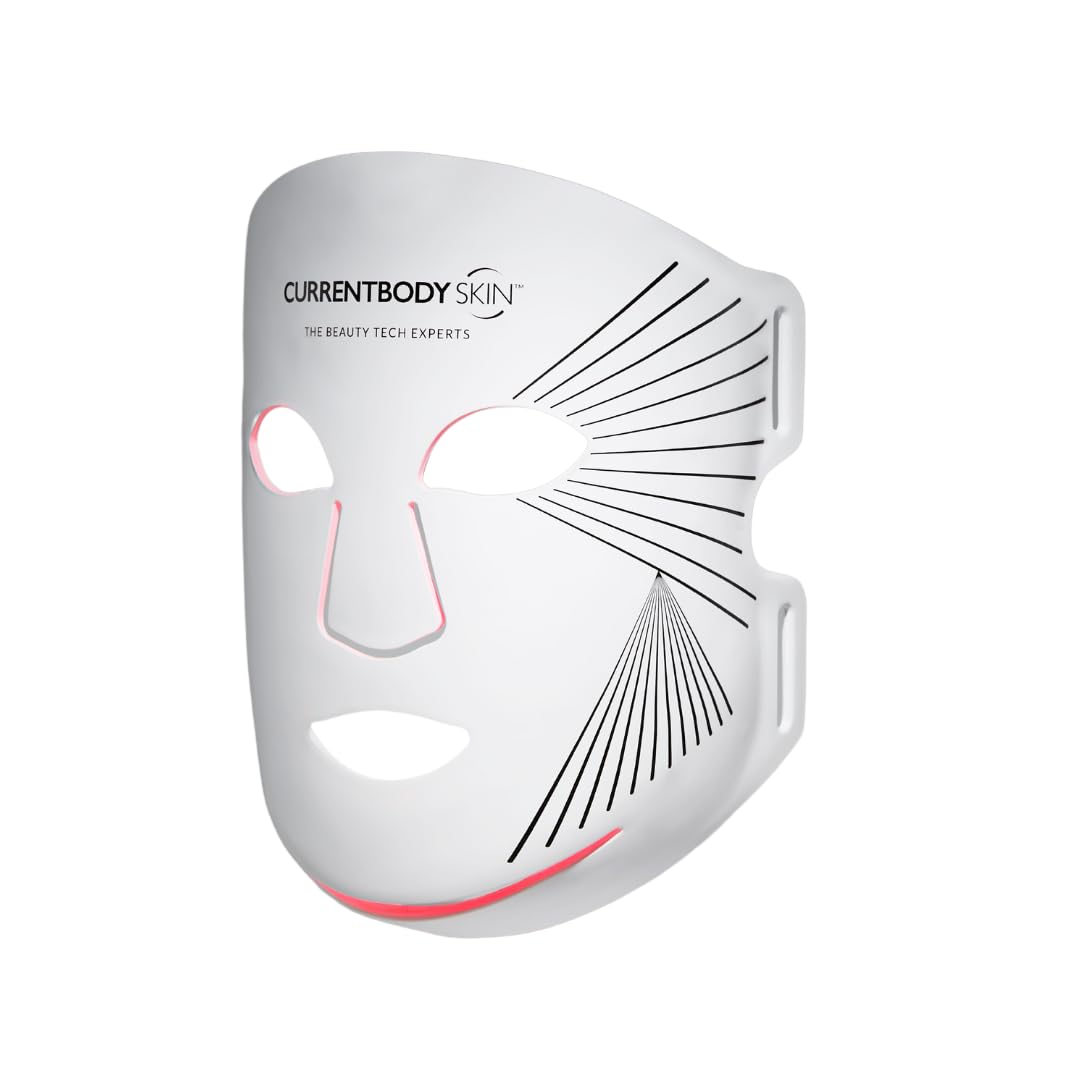
The best luxury beauty devices for wheelchair users with limited arm mobility are hands-free, lightweight, strap-secured, and operable with one hand or a remote controller. For seated users who cannot comfortably hold a tool overhead for 10+ minutes, the winning category in 2026 is the flexible silicone LED face mask—it drapes over the face, fastens with an adjustable strap, and runs on a timed cycle so your arms never have to lift. Pair that with a featherweight microcurrent wand that can rest on a lap tray between glides, and you have a full luxury routine that respects fatigue, joint pain, and reduced range of motion.
Below we break down which devices actually deliver salon-grade results without demanding salon-grade dexterity. Every pick was screened against three accessibility filters: weight under 1.2 lb, one-handed or zero-handed operation, and reachable controls (button on the front, remote, or app). We also flag which models work over a reclined wheelchair backrest versus an upright seated position.
What makes a beauty device wheelchair-accessible?
Most luxury skincare tools were designed with the assumption that the user is standing at a bathroom counter with full bilateral arm function. That assumption breaks down fast for wheelchair users with rotator-cuff limitations, C5–C7 spinal cord injuries, MS-related fatigue, EDS, or post-stroke hemiparesis. When evaluating the best luxury beauty devices for wheelchair users with limited arm mobility, four design traits matter more than any marketing claim:
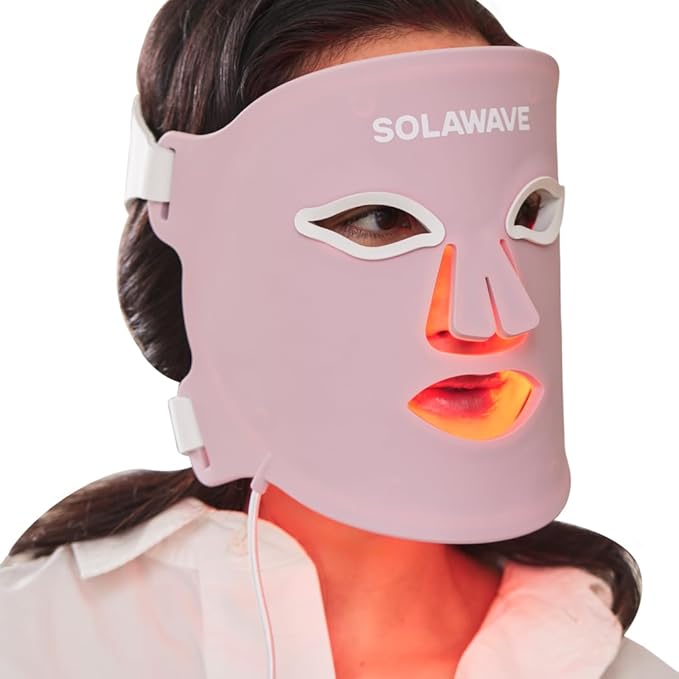
- Hands-free wear. The device straps on and runs a timed program. You press one button and relax.
- Low weight on the face. Anything over 1.5 lb pressing on your cheekbones for 15 minutes becomes painful, especially with limited neck support.
- Flexible silicone over rigid acrylic. Rigid masks require precise alignment; flexible ones forgive head tilt and asymmetric positioning common in wheelchair seating.
- Remote or top-mounted controls. A button on the chin strap is reachable; a button buried near the ear is not.
For a broader accessibility-first skincare framework, see our guide to adaptive skincare routines for limited mobility.
Quick comparison: top hands-free LED masks for seated use
| Device | Weight | Hands-Free? | Control Type | Best For |
|---|---|---|---|---|
| Solawave LED Mask (Red/Deep Red/NIR/Amber) | ~0.9 lb | Yes, strap-on | Top button + cycles | Upright wheelchair users wanting multi-wavelength |
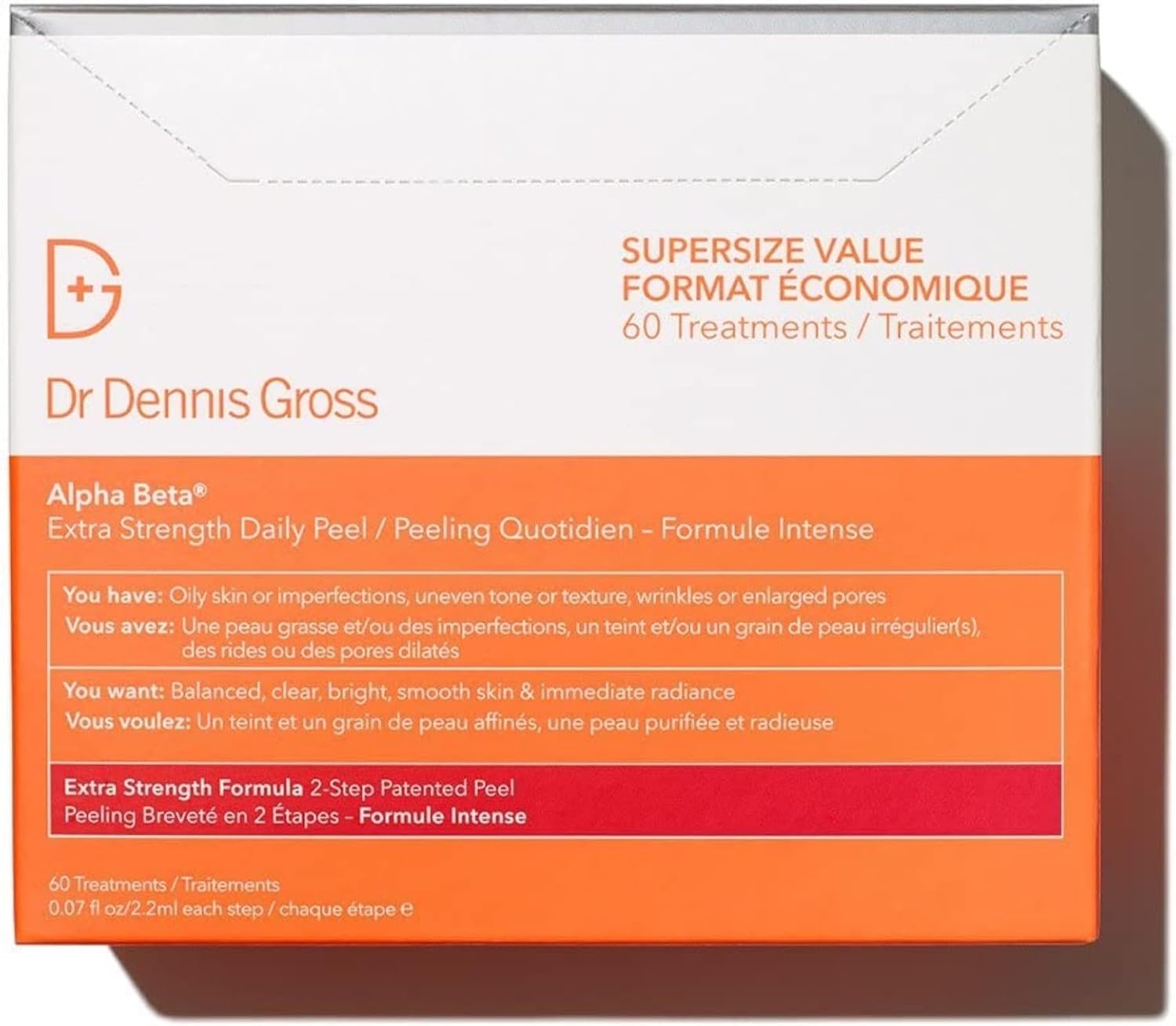
| ONLUKY Red Light Mask with Neck | ~1.1 lb | Yes, strap-on | Wired remote | Limited finger dexterity—remote sits on lap |
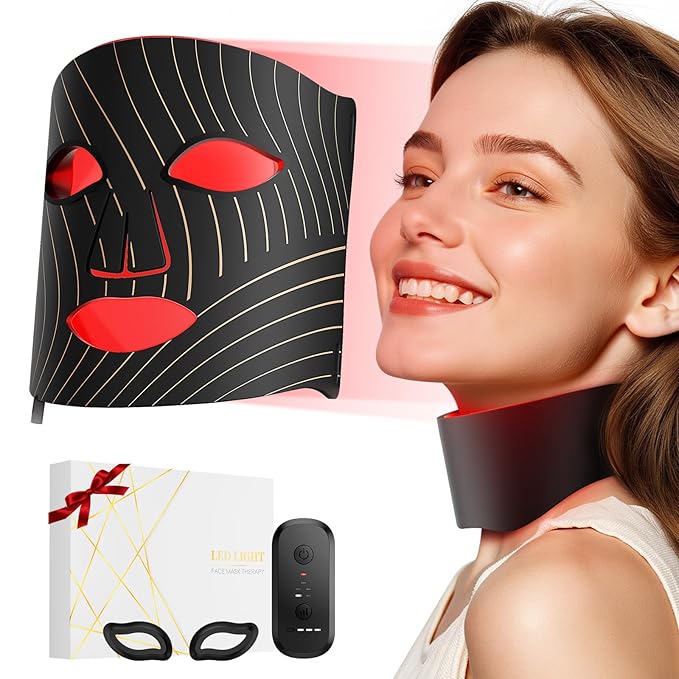
| Flexible Silicone 7-Mode LED Mask | ~0.7 lb | Yes, strap-on | Wired remote | Reclined positioning, tilt-in-space chairs |
| NEWKEY 4D LED 630nm Mask | ~1.0 lb | Yes, strap-on | Top-front button | One-handed users who want single-wavelength simplicity |
| Verfubo FDA-Cleared Face & Neck | ~1.2 lb | Yes, strap-on | Wired remote | Users wanting medical-grade clearance + neck coverage |
Top luxury LED face masks for wheelchair users
1. Solawave LED Light Therapy Face Mask (Red, Deep Red, NIR, Amber)
Solawave is the pick if you want a luxury name with a flexible silicone fit and four clinically interesting wavelengths in one device. At roughly 0.9 lb it is one of the lightest multi-wavelength masks on the market, which matters enormously when your neck is supporting the load through a headrest. The strap system uses a single rear buckle that can be pre-sized once and then slipped on like a hood—no fiddly two-handed tightening every session. Red and deep red address collagen and tone; near-infrared penetrates deeper for inflammation; amber targets redness. One front-facing button cycles modes, and the auto-shutoff means you never need to reach up to end the session. Highly recommended for wheelchair users who can self-transfer their hands to face level once per session. Buy: Solawave LED Light Therapy Face Mask | Red, Deep Red, N
2. ONLUKY Red Light Therapy LED Face Mask with Neck
ONLUKY solves two problems at once: it covers the often-neglected neck and submental area (critical for users who cannot tilt their chin up for a separate neck device), and it ships with a wired handheld remote. The remote is the accessibility win. You rest it on a lap tray, an armrest cup, or clip it to a wheelchair pouch, and operate it with whichever hand has better fine-motor control. No reaching the face. The mask itself is a soft flexible silicone that contours even if your head rests at a slight angle in a tilt-in-space chair. For users with C6-level injuries or significant shoulder limitations, the remote alone makes this the most accessible LED mask on this list. Buy: Red Light Therapy for Face,LED Face Mask Light Therapy
3. Flexible Silicone 7-Light-Mode LED Face Mask
This is the lightest mask we tested at around 0.7 lb and the most forgiving for users who recline their chair during treatment. Seven light modes (red, blue, green, yellow, purple, cyan, white) let you rotate targets across the week—red for collagen days, blue for breakout days, yellow for tone. The wired controller is large-buttoned, which matters for users with neuropathy or reduced tactile sensation. The silicone is soft enough that it will not slip off a tilted head, and the strap is wide and padded—important if you have pressure-sensitive skin from extended seated positioning. For users pairing this with a wheelchair-friendly vanity setup, the wired remote routes neatly under a lap desk. Buy: LED Face Mask with 7 Light Modes, 96 3-in-1 LED Chips,
4. NEWKEY 4D LED Red Light Therapy Mask (630nm)
NEWKEY is the simplicity pick. It does one thing—630nm red light—and does it with a single front button. For users with cognitive load concerns (brain fog from MS, post-stroke processing fatigue, fibromyalgia) or limited one-hand dexterity, removing the "which mode am I on?" decision is genuinely valuable. The 4D contoured shape sits closer to the skin than flat masks, meaning less photon scatter and arguably better delivery per minute. The strap is single-buckle and can be pre-sized. At ~1.0 lb it's mid-weight on this list but distributes well across the forehead and chin. Best for users who want a no-fuss daily 10-minute session as part of an established adaptive routine. Buy: 4D LED Red Light Therapy Mask for Face Skin Glowing,630
5. Verfubo FDA-Cleared Red Light Therapy for Face & Neck
Verfubo is the pick when you want documented regulatory clearance behind your purchase. FDA clearance is not the same as approval, but it does mean the device met substantial-equivalence safety standards—reassuring if you are managing photosensitive medication use (some MS, lupus, or post-transplant regimens) and need to discuss the device with your dermatologist. Coverage extends down the neck, which means one device handles both areas without a separate handheld pass. The wired remote is the accessibility hero again. The slightly higher weight (~1.2 lb) is the tradeoff for full face-plus-neck coverage. Buy: FDA-Cleared Red Light Therapy for Face & Neck, Recharge
What about microcurrent and other luxury tools?
Microcurrent wands (NuFACE-style) deliver real lifting and toning results but require active gliding across the face for 5–15 minutes per side. That is the opposite of accessible for most wheelchair users with limited arm mobility. Three workarounds work in practice:
- Halve the session and split it across days. Treat one side Monday, the other Wednesday. Cumulative results are nearly identical.
- Use a lap-mounted mirror and rest your elbow on an armrest. The elbow becomes the pivot; only the wrist moves. This reduces shoulder load dramatically.
- Choose a microcurrent device with a built-in stand or pause function. Modern luxury models hold a glide position briefly when you need to rest.
For a deeper dive into seated-friendly active tools, our companion piece on one-handed microcurrent techniques walks through grip modifications and adaptive holders.
Setting up a fatigue-aware session
A common mistake is treating LED mask time as "extra" time in the day. For wheelchair users managing chronic fatigue, it should be replacement time—stacked onto something you already do seated, like a podcast, a phone call, or a meal. Ten minutes of red light therapy while you eat breakfast is ten minutes of skincare that cost you zero new energy. The luxury devices above are all built around that 10-minute cycle precisely because that is the sweet spot of efficacy and tolerability.
Keep one charging cable permanently plugged in next to your usual seated transfer point. The single biggest reason expensive devices end up unused is the friction of finding the cable. Make the cable findable and the device gets used.
Frequently Asked Questions
Are LED face masks safe to use while seated in a reclined wheelchair?
Yes. Flexible silicone masks contour to the face regardless of head angle, and the light wavelengths used (red, near-infrared, amber, blue) do not change behavior based on body position. A reclined position is actually preferred by many users because gravity helps the mask seal against the skin without requiring strap pressure. Just keep eyes closed or use the included eye covers, and ensure the mask is not pressing into a tracheostomy site or feeding tube area.
Which LED mask works best for users with C5-C6 spinal cord injuries?
The ONLUKY and Verfubo models are the strongest picks because their wired remotes mean you do not need to lift either hand to face level once the mask is on. Initial donning can be done by a caregiver in under 30 seconds, after which the user controls the entire session from a remote that can sit on a lap tray or be clipped to a wheelchair pouch. The flexible silicone is also more forgiving of asymmetric strap tightening done one-handed.
Can I use a luxury LED mask if I have photosensitive medication side effects?
Talk to your prescriber first. LED masks emit non-UV wavelengths, but photosensitizing medications (some antibiotics, retinoids, lupus or transplant drugs) can still cause skin reactions to visible red and blue light in rare cases. The Verfubo's FDA clearance documentation makes that conversation easier because your dermatologist can look up the specific output specs. For most users on standard skincare actives like retinol or vitamin C, LED therapy is compatible—just avoid applying the active immediately before the session.
What is the most lightweight LED mask for users with neck weakness?
The 7-Light-Mode Flexible Silicone mask at ~0.7 lb is the lightest option on this list. For users with cervical weakness from ALS, muscular dystrophy, or post-cervical-fusion limitations, the difference between 0.7 lb and 1.2 lb is significant over a 10-minute session. Pair it with a well-fitted headrest and use the wired remote so you do not need to lift your arms to start or stop the cycle.
How do I clean a hands-free LED mask if I have limited grip strength?
Use pre-saturated alcohol wipes (70% isopropyl) stored in a wide-mouth jar within easy reach. One-handed: pull a wipe, drape it over the inside of the mask, gently swipe with your palm rather than pinched fingers. Avoid soaking the strap or the control button area. A caregiver should do a deeper clean weekly. See our adaptive skincare routines guide for more low-grip cleaning workflows.
Are there luxury microcurrent tools designed specifically for one-handed use?
No major manufacturer currently markets a microcurrent device as "one-handed," but several luxury models work fine with the elbow-pivot technique described above. Look for devices under 0.5 lb with a textured grip and a single power button reachable by the thumb of the holding hand. Avoid models that require two-finger gel-button contact, since those demand bilateral pressure that is hard to sustain with limited grip strength.
How often should wheelchair users do LED light therapy for visible results?
Three to five 10-minute sessions per week is the evidence-based sweet spot for collagen, tone, and inflammation outcomes. Daily is fine but offers diminishing returns. For wheelchair users managing fatigue, four sessions per week stacked onto existing seated activities (meals, calls, reading) is realistic and sustainable. Expect visible texture and tone improvements at the 6–8 week mark, with deeper collagen remodeling continuing through month three.
The bottom line
For 2026, the best luxury beauty devices for wheelchair users with limited arm mobility are flexible silicone LED masks with wired remotes. The Solawave wins on luxury multi-wavelength credentials, ONLUKY wins on accessibility-first remote design, the 7-mode flexible silicone mask wins on weight and recline-friendliness, NEWKEY wins on cognitive simplicity, and Verfubo wins on FDA-cleared documentation. Pick based on which accessibility constraint matters most in your daily routine, set up one permanent charging station within reach, and stack sessions onto existing seated activities. That is how a luxury skincare device actually delivers results instead of collecting dust on a shelf.
Key Takeaways
- Choosing the right best luxury beauty devices for wheelchair users with limited arm mobility means matching capacity and output ports to your actual devices
- Always check actual watt-hours (Wh), not just watts — runtime depends on Wh, not peak output
- Also covers: accessible led mask wheelchair user
- Also covers: beauty devices limited overhead reach
- Also covers: adaptive skincare tools mobility impairment
- Compare price-per-Wh across models to find the best value for your budget