If you are searching for the best microcurrent device for breast cancer survivors with post-radiation facial puffiness, the honest 2026 answer is: most oncology-aware estheticians steer survivors toward red and near-infrared LED light therapy first, and only layer in low-intensity microcurrent once your radiation oncologist signs off. Microcurrent is contraindicated over active tumors, recent surgical sites, and lymphedematous tissue, so the safer starting tool for facial puffiness after chest-wall or supraclavicular radiation is typically a full-face LED mask that calms inflammation and supports lymphatic flow without forcing electrical current through compromised lymph nodes. Below we review the LED devices most often recommended alongside post-radiation recovery, plus how to talk to your care team about adding microcurrent later.
Why post-radiation facial puffiness is not regular puffiness
Radiation to the breast, chest wall, axilla, or supraclavicular fossa can disturb lymph drainage that normally carries fluid down from the face and neck. Even when the radiation field never touched your jawline, swelling can pool in the cheeks, lower face, and under the eyes because the downstream drainage highways are inflamed, fibrotic, or partially rerouted. Tamoxifen, aromatase inhibitors, and steroid premeds add their own fluid retention on top. The puffiness is real, but it is a lymphatic and inflammatory problem, not a muscle-tone problem, which is why the “lifting” marketing on most microcurrent devices misses the point for survivors.
Is microcurrent actually safe after breast cancer?
The cautious, evidence-based stance in 2026 is: low-level microcurrent on the face is generally considered acceptable in survivorship once you are cleared of active disease, your radiation course is complete, and you have no active facial or cervical lymphedema. The classic contraindications still apply — do not run current through the chest, do not place pads near a port or expander, and avoid the side of the neck where nodes were dissected or irradiated. Most survivors who use microcurrent successfully start months after radiation ends, with their oncology team aware. Until then, LED red and near-infrared light is the lower-risk way to address the same puffiness, redness, and crepey texture.
For the broader recovery picture, see our companion guides on LED masks for radiation dermatitis recovery and lymphatic drainage tools after mastectomy.
What to look for in a survivor-friendly device
- Wavelength stack: 630–660 nm red for surface inflammation, 830–850 nm near-infrared (NIR) for deeper lymphatic and fibrotic tissue, optional amber (590 nm) for redness.
- Flexible silicone that conforms to swollen tissue without pressure points.
- Neck coverage — critical, because facial puffiness often resolves only when the cervical drainage pathways are also treated.
- Low, even irradiance (under ~50 mW/cm²) and short 10–15 minute sessions, which is what published radiation-dermatitis and lymphedema photobiomodulation protocols tend to use.
- FDA cleared for over-the-counter skin use, so you have a baseline of electrical safety testing.
2026 comparison: survivor-friendly LED options that pair with microcurrent later
| Device | Wavelengths | Neck coverage | Form factor | Best for the survivor who… |
|---|---|---|---|---|
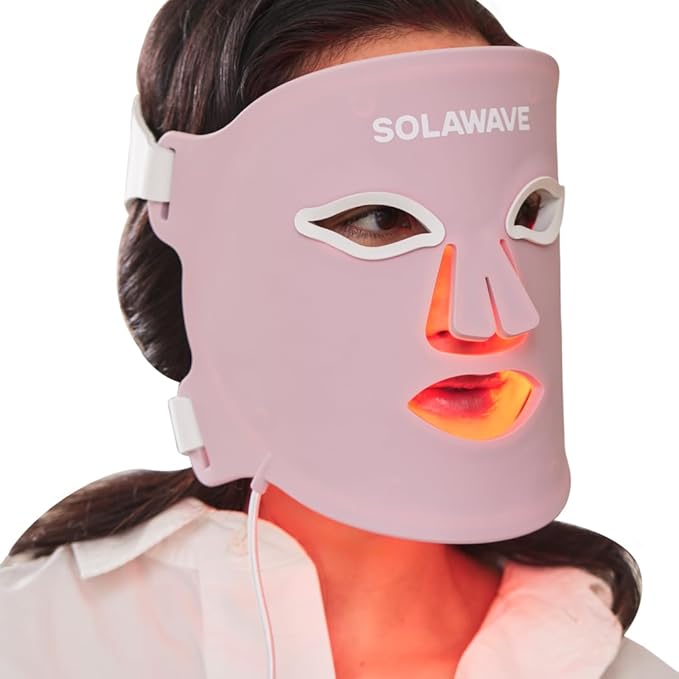
| Solawave LED Mask (Red / Deep Red / NIR / Amber) | 4-wave incl. NIR & amber | Face only | Rigid contoured | Wants the deepest NIR penetration for fibrotic, post-radiation tissue |
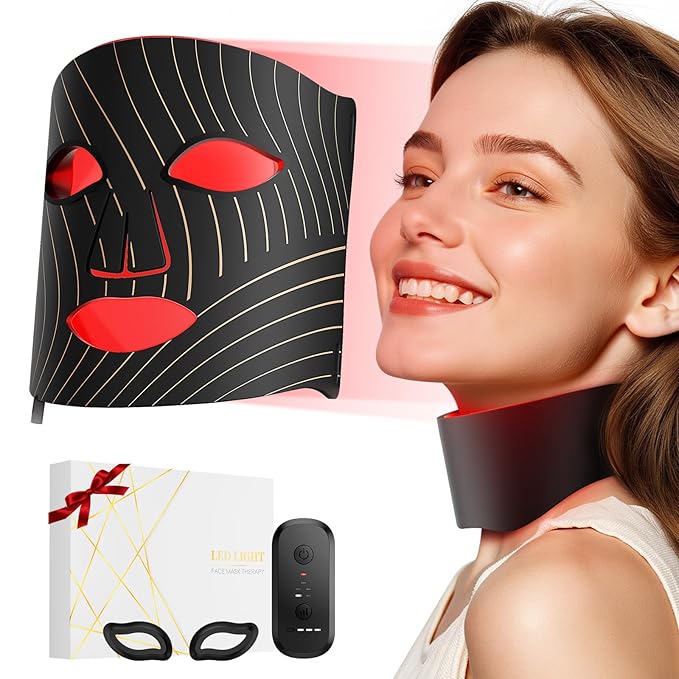
| ONLUKY Red Light Mask with Neck | Red + NIR | Yes — integrated neck panel | Two-piece | Needs cervical-chain coverage to actually move facial fluid |
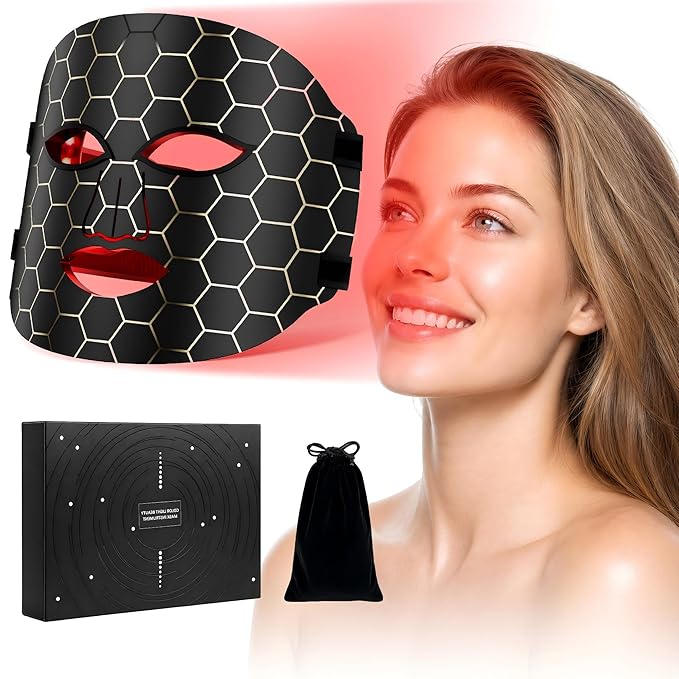
| Flexible Silicone 7-Mode LED Mask | 7 colors incl. red, NIR, amber, green | Face only | Soft silicone | Has tender, sensitive skin and cannot tolerate rigid masks |
| NEWKEY 4D 630 nm Red Light Mask | Single 630 nm red | Face only | Rigid 4D shell | Wants a simple, calming red-only session with no decision fatigue |
| Verfubo FDA-Cleared Face & Neck | Red + NIR | Yes — full face + neck | Flexible | Wants the most comprehensive coverage with FDA clearance reassurance |
Best overall for post-radiation puffiness: Verfubo FDA-Cleared Red Light Therapy for Face & Neck
This is the device we most often recommend as the foundation tool for the best microcurrent device for breast cancer survivors with post-radiation facial puffiness conversation, because it solves the right problem first. Full face and neck coverage means you are treating the cervical drainage pathway that is doing the actual de-puffing work, not just illuminating the cheeks. The FDA clearance gives you something concrete to show your oncology nurse navigator when you ask permission, and the flexible build is forgiving on tight, post-radiation skin. Use it 10 minutes daily for 4–6 weeks before you even think about adding microcurrent. Check current price on Amazon →
Best for cervical lymph support: ONLUKY Red Light Therapy LED Face Mask with Neck
ONLUKY’s separate neck panel is the underrated feature here. Survivors who only treat the face often plateau because supraclavicular and submandibular nodes — the ones that determine whether facial fluid actually drains — never get any photobiomodulation. The two-piece design lets you angle the neck panel away from any radiation-tender skin on one side and still hit the contralateral chain. It is a strong pick if your radiation field was unilateral and you need flexibility about which side gets full intensity. See it on Amazon →
Best for deep tissue and fibrosis: Solawave LED Light Therapy Face Mask (Red / Deep Red / NIR / Amber)
The four-wavelength stack including true near-infrared is what makes this mask worth considering even though it does not have a neck attachment. NIR at 830–850 nm penetrates several millimeters deeper than red alone, which matters when post-radiation tissue has started to fibrose and feel woody under the surface. The amber 590 nm setting is useful for the diffuse redness many survivors carry for months after treatment ends. Pair it with manual lymph drainage of the neck rather than a neck LED panel. View on Amazon →
Best for sensitive, tender skin: Flexible Silicone 7-Light LED Mask
If radiation, chemo, or endocrine therapy has left your facial skin reactive — stinging from heavier serums, flaring at the slightest pressure — the rigid plastic masks are miserable. A flexible silicone mask drapes without pressure points and is gentler on skin that has lost some elasticity. The seven modes give you room to dial intensity down on bad days. This is the “I want to start treating, but everything hurts” pick. Check it on Amazon →
Best simple, single-wavelength option: NEWKEY 4D LED Red Light Therapy Face Mask, 630 nm
Decision fatigue is a real thing during survivorship. If you want one button, one wavelength, ten minutes, and no menus to navigate, the NEWKEY 4D delivers calming 630 nm red light without amber or NIR add-ons. It will not address deep fibrosis the way a NIR-equipped mask does, but for surface puffiness, post-radiation redness, and overall skin calming, it is plenty — and it pairs well with a separate handheld NIR wand if you decide to go deeper later. See on Amazon →
How to layer in microcurrent safely — later
Once your radiation oncologist clears you (typically 6–12 months post-treatment with no active lymphedema), microcurrent at the lowest setting can be added to the routine you have already built with LED. Keep the conductive gel pads away from any port site, expander, reconstructed tissue, or the side of the neck where nodes were dissected. Start with two 5-minute sessions a week, never daily. Stop immediately if you notice any new swelling, heaviness in the arm, or tightness in the chest — those are signals to call your lymphedema therapist, not push through. For more on building a gentle routine in the meantime, see our gentle skincare routine during radiation guide.
The realistic timeline for results
Survivors using LED nightly typically notice less morning puffiness within 2–3 weeks, visible redness reduction by week 4, and meaningful softening of any fibrotic feeling by week 8–12. Microcurrent added on top of an established LED routine tends to show subtle tone improvements over another 6–8 weeks. The single biggest mistake survivors make is starting microcurrent too early, getting a flare of swelling, blaming the device, and abandoning the whole protocol. Start with light, build the foundation, then add current.
Frequently Asked Questions
Can I use a microcurrent facial device if I had a lumpectomy and radiation five years ago?
In most cases yes, with two caveats: confirm with your oncology team that you have no active or subclinical lymphedema on the affected side, and keep the device strictly on the face — never apply electrodes to the chest, axilla, or the supraclavicular area on the radiated side. Start at the lowest intensity setting twice a week and watch for any new asymmetric facial swelling for the first month.

Is red light therapy safe after radiation for breast cancer?
Photobiomodulation with red and near-infrared light has growing evidence for treating radiation dermatitis and lymphedema in oncology rehabilitation. Facial use is considered lower risk than direct chest-wall use, but you should still tell your radiation oncologist before starting. Most clinicians clear LED face masks once acute radiation dermatitis has resolved.
What is the best LED mask for facial swelling after chemotherapy and radiation?
A mask combining 630–660 nm red with 830–850 nm near-infrared and integrated neck coverage performs best, because chemo-induced inflammation and radiation-disturbed lymph drainage are addressed at different depths. The Verfubo and ONLUKY picks above are built for exactly this use case.
Can microcurrent cause lymphedema after breast cancer treatment?
Facial microcurrent has not been shown to cause arm or chest lymphedema, but applying electrodes near the surgical or radiated chest wall is a known contraindication. The risk is theoretical for face-only use in cleared survivors, but real if the device is misapplied. Stay on the face, avoid the radiated side of the neck, and stop if you notice any swelling, heaviness, or tightness anywhere on the affected side.
How long after radiation can I start using an LED face mask?
Most radiation oncologists clear LED face mask use once any acute skin reaction in the treatment field has fully healed — usually 4–8 weeks after the final session. Because the face is typically outside the radiation field for breast cancer, many clinicians clear it even sooner. Always ask before starting.
Do I need a prescription microcurrent device or is an at-home one enough for survivors?
For facial puffiness, a quality FDA-cleared at-home device at low intensity is sufficient and is what most aesthetic-oncology providers actually recommend. Prescription-grade neuromuscular stimulation units are not designed for this use case and carry more risk in survivors. Pair the at-home device with periodic manual lymphatic drainage from a certified lymphedema therapist for the strongest results.
What is better for post-radiation puffiness, microcurrent or LED red light therapy?
LED first, microcurrent second. LED red and near-infrared light directly addresses the inflammation, lymphatic sluggishness, and tissue remodeling that drive post-radiation puffiness, with a much lower contraindication profile in cancer survivors. Microcurrent adds muscle-tone and subtle lifting benefits later, once your tissue has calmed and your oncology team has cleared you.

This article is informational and not a substitute for advice from your oncology team, radiation oncologist, or certified lymphedema therapist. Always clear any new device with your care team before starting, especially within the first year after radiation.
Key Takeaways
- Choosing the right best microcurrent device for breast cancer survivors with post-radiation facial puffiness means matching capacity and output ports to your actual devices
- Always check actual watt-hours (Wh), not just watts — runtime depends on Wh, not peak output
- Also covers: microcurrent after radiation therapy face
- Also covers: lymphatic drainage device breast cancer survivor
- Also covers: nuface for radiation puffiness
- Compare price-per-Wh across models to find the best value for your budget