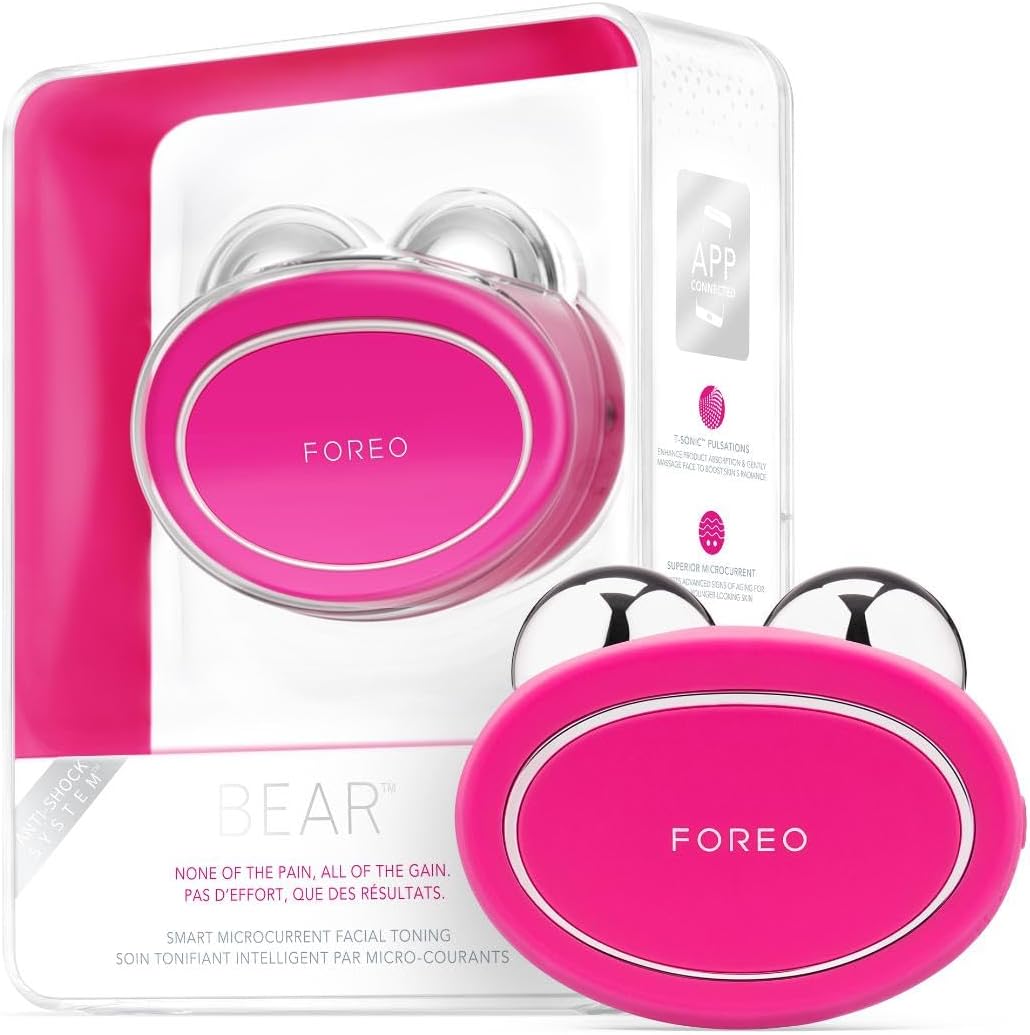
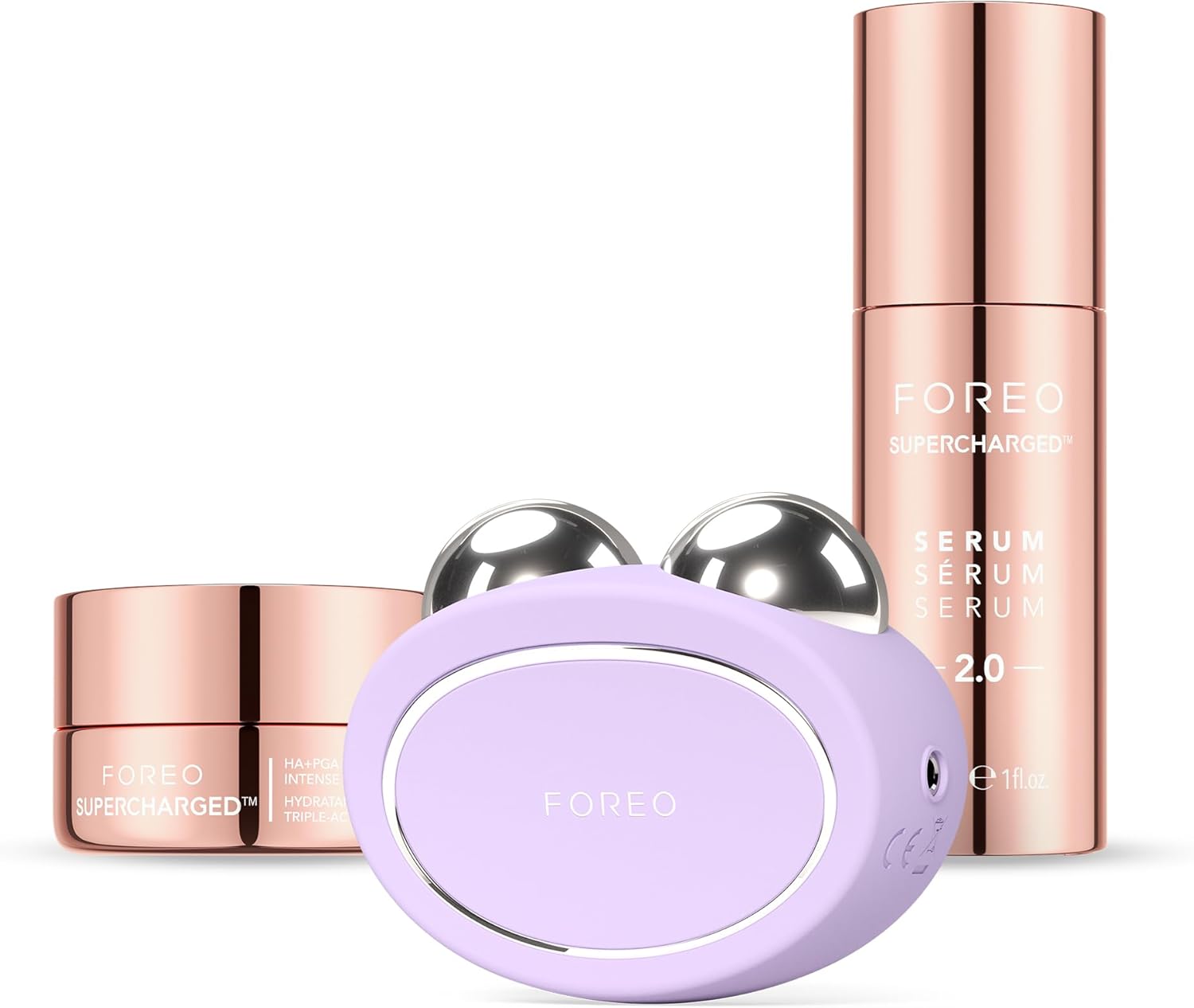
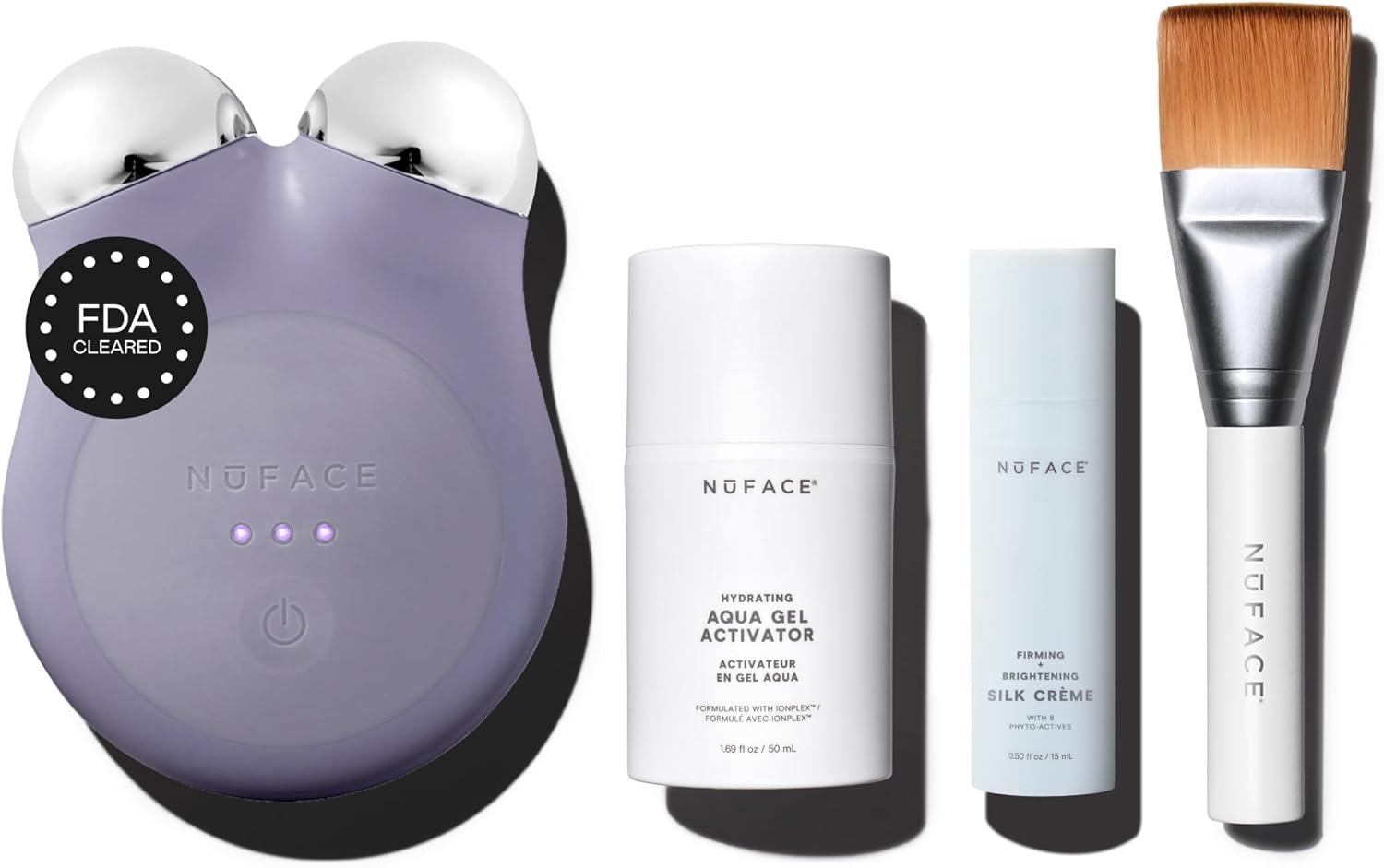
If you're hunting for the best microcurrent device for postpartum mom with five minute windows, the short answer is: choose a feather-light, one-handed wand with pre-loaded conductive gel pads (or a built-in glide serum reservoir), a hard 5-minute auto-shutoff, USB-C charging, and a magnetic dock you can leave on the nightstand. The wand handles lift and jawline tone; pair it with a flexible LED mask for postpartum melasma, redness, and hormonal breakouts so a single 5-minute window does double duty. Below we cover exactly what to look for in a microcurrent unit, the 2026 LED masks that fit the same nap-time window, a side-by-side table, and a realistic routine that survives a feed-clip-cry cycle.
Why five-minute windows are the real postpartum constraint
Postpartum skin is doing a lot at once. Estrogen and progesterone drop hard, prolactin climbs, cortisol is permanently elevated from broken sleep, and the visible result is some blend of melasma reactivation, jaw sag from fluid shifts, dull tone, and breakouts along the chin and jaw. The clinical advice — 10 to 20 minutes of microcurrent five days a week — assumes a person who can sit still. A new mom cannot. What she actually has is the 5 minutes between latch and burp, the 7 minutes a contact nap stays asleep on her chest, and the 4 minutes after a pump session before the baby wakes.
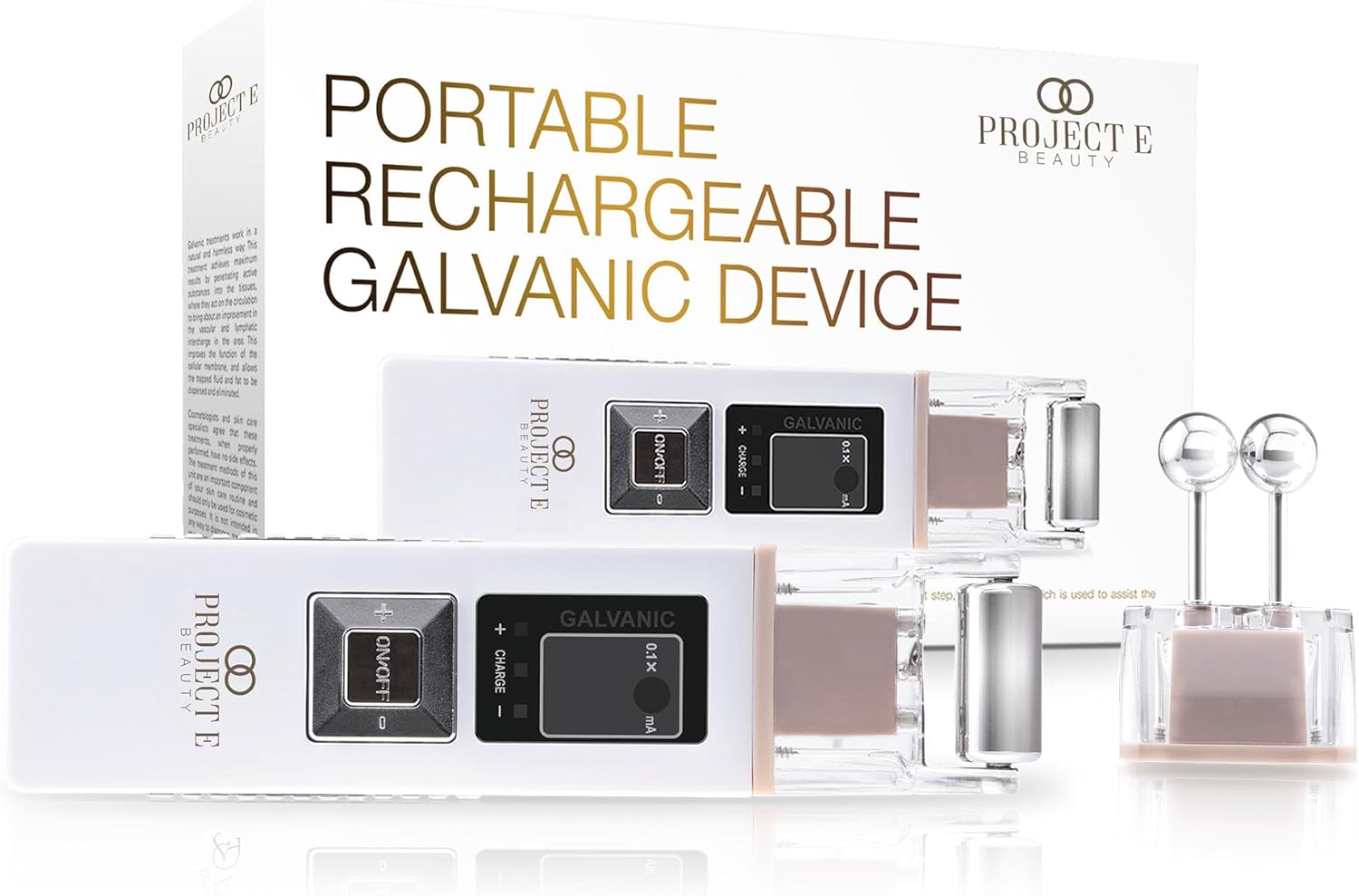
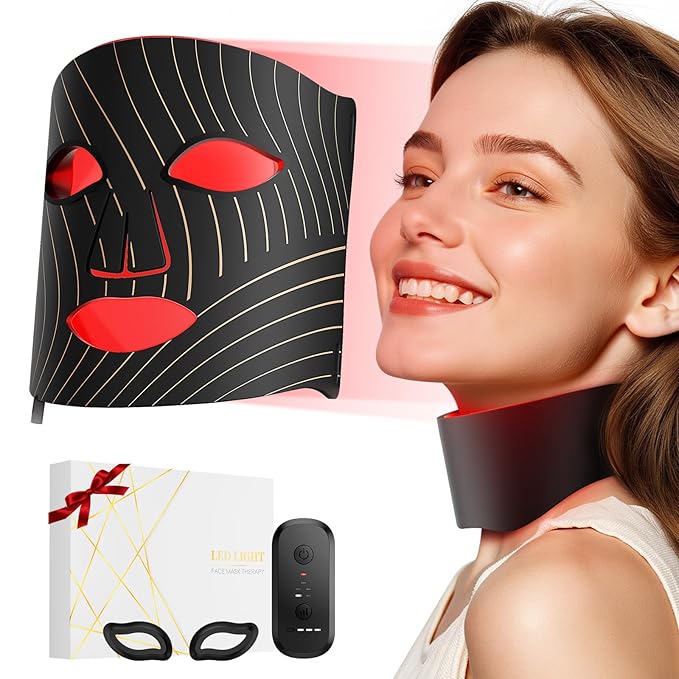
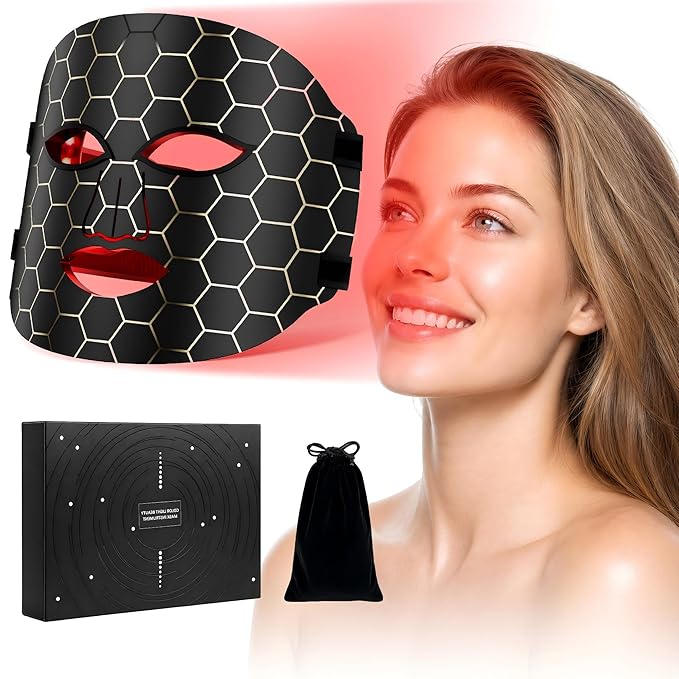
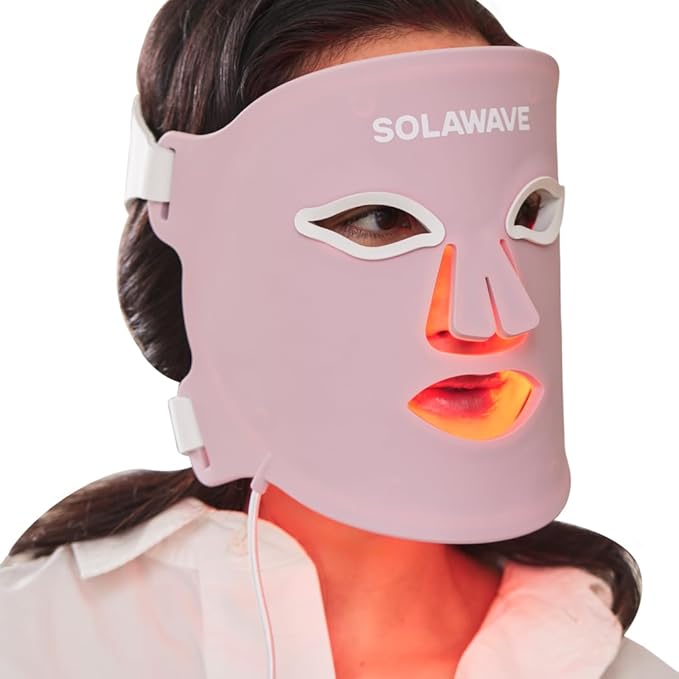
That's why the best microcurrent device for postpartum mom with five minute windows isn't necessarily the strongest or the most expensive — it's the one she will actually pick up. One-handed, no messy gel cup to refill, no app pairing, no 12-step interface. Press, glide, done.
What to look for in a microcurrent wand for postpartum
Before we get to the LED mask pairings, here is the buying checklist you can apply to any microcurrent wand on the market in 2026:
- Weight under 250 g. You will be holding this with one hand while the other hand stabilizes a 12-pound human. Anything heavier ends up in the drawer.
- Built-in conductive system. Single-use gel pads, a permanent silicone roller surface, or a reservoir that holds enough serum for a full 5-minute pass. Bottles of gel + sponge applicators are the #1 reason postpartum users abandon microcurrent.
- Hard auto-shutoff at 5 minutes. Not a soft beep — an actual cut. If the baby wakes mid-treatment you want to drop the wand and walk, not navigate a menu.
- Adjustable intensity, low end included. Hormone-thinned postpartum skin is more sensitive. A wand whose lowest setting still tingles is the wrong wand.
- USB-C and magnetic dock. Charging cradles that sit on the changing table get used. Proprietary cables that live in a drawer do not.
- Waterproof handle. So you can wipe spit-up off it without panicking.
- Breastfeeding-friendly conductive medium. Avoid gels with retinoids, salicylic acid, or undisclosed essential oils. Look for hyaluronic-acid or glycerin-based glide.
If you want to compare lift-focused tools head-to-head with red light, our LED mask vs microcurrent for postpartum skin breakdown walks through which one tackles which concern.
Why pair microcurrent with a 3-to-10-minute LED mask
Microcurrent moves muscle. It does not do much for the brown patches, the dull tone, or the inflamed jawline cysts. Red light at 630-660 nm plus near-infrared at 830-850 nm handles all three, and the modern flexible silicone masks are designed for the same 3-to-10-minute sessions postpartum moms actually have. The pairing strategy: LED mask hands-free while you pump, microcurrent wand while baby contact-naps. Two devices, one 5-minute window each, full routine done before noon.
Below are the LED masks we'd pair with any quality microcurrent wand in 2026. All are flexible, light, and run on short auto-timer cycles that match the postpartum window. For the deeper pigmentation angle see our best LED mask for melasma after pregnancy guide.
Comparison: 2026 LED mask companions for a microcurrent routine
| Mask | Wavelengths | Session length | Hands-free fit | Best for |
|---|---|---|---|---|
| Solawave LED Face Mask | Red, Deep Red, NIR, Amber | 9 min auto | Strap, semi-rigid | Multi-wavelength, melasma + tone |
| ONLUKY Mask + Neck | Red, NIR, blue | 10 min auto | Strap, includes neck panel | Jawline + neck sag |
| Flexible Silicone 7-Mode Mask | 7 modes incl. red, blue, green | 10-15 min | Fully flexible silicone | Side-sleeping moms, contact naps |
| NEWKEY 4D 630nm Mask | Red 630nm | 10 min auto | Strap, contoured 4D | Budget pick, single-wavelength |
| Verfubo Face & Neck | Red + NIR, FDA-cleared | 10 min auto | Strap, separate neck | Cleared device shoppers |
Top LED mask pairings to run alongside your microcurrent wand
Solawave LED Light Therapy Face Mask — best multi-wavelength companion
The Solawave mask runs red, deep red, near-infrared, and amber in a single 9-minute cycle, which lines up almost exactly with the realistic upper end of a postpartum window. The amber band is the differentiator for new moms: it's the wavelength most often associated with redness calming and pigmentation support, both of which spike after pregnancy. The semi-rigid shell is sturdy enough to stay aligned hands-free while you operate a microcurrent wand under the jaw. We'd buy this one if you want the lift work from microcurrent and the pigmentation work from LED handled in parallel during the same nap. Check current pricing at Solawave LED Light Therapy Face Mask | Red, Deep Red, Near I.
ONLUKY Red Light Therapy LED Face Mask with Neck — best for jawline focus
Postpartum jawline laxity is one of the top reasons women look into microcurrent. The ONLUKY ships with a separate neck panel that covers the submandibular area microcurrent wands sometimes struggle to reach one-handed. Run the neck panel during a feed, then follow with five minutes of microcurrent across the jaw and you've stacked two modalities on the same anatomy in under fifteen minutes total. Strap-based, lighter than rigid masks, fine for short hands-free use even while standing and rocking. Available at Red Light Therapy for Face,LED Face Mask Light Therapy with .
LED Face Mask, 7 Light Modes, Flexible Silicone — best for contact naps
Flexible silicone masks are the only ones you can wear while the baby's face is pressed against your chest. The silicone conforms instead of pressing into the infant, and the diffuse LED arrangement means no hot spots on either of you. Seven modes is more than most postpartum routines need, but the red and near-infrared settings are the ones to default to. We'd run this during the contact nap and save the microcurrent wand for after baby goes down. Buy at LED Face Mask with 7 Light Modes, 96 3-in-1 LED Chips, Flexi.
NEWKEY 4D LED Red Light Therapy Face Mask, 630nm — best budget companion
If you've already spent on a quality microcurrent wand and the LED mask budget is tight, the NEWKEY 4D at 630nm covers the single most important wavelength for postpartum skin recovery without the multi-band markup. It's a contoured strap mask with a 10-minute auto-cycle, which is exactly the upper window you'll realistically get. No neck panel, no NIR — but for a sub-$100 add-on to a microcurrent routine it's the right tradeoff. Pricing at 4D LED Red Light Therapy Mask for Face Skin Glowing,630nm Le.
Verfubo FDA-Cleared Red Light Therapy for Face & Neck — best for clearance-conscious shoppers
Postpartum is the wrong moment to experiment with uncleared devices. The Verfubo mask carries FDA clearance, includes a neck attachment, and runs red plus near-infrared on a 10-minute auto-cycle. If your microcurrent wand is also a cleared device, this pairing keeps your whole 5-minute-window stack on cleared hardware — useful if you're breastfeeding and want to be conservative. Check at FDA-Cleared Red Light Therapy for Face & Neck, Rechargeable .
The realistic 5-minute postpartum routine
Here is how to actually run a microcurrent + LED stack on a postpartum schedule. The whole point of choosing the best microcurrent device for postpartum mom with five minute windows is that the routine has to fit between the things you cannot control.
- Morning pump or first feed (10 min): Strap on the LED mask. Hands free. Let it run its auto-cycle while you feed.
- Mid-morning contact nap (5 min): Apply glide pads to wand. Five minutes microcurrent on jawline and brow, both sides. Wand back on magnetic dock.
- Afternoon nap window (5 min, optional): Repeat microcurrent on cheeks and neck if baby cooperates. Skip without guilt if not.
- Evening (skip): Postpartum sleep is more valuable than any device. Don't trade it.
This is the same logic behind our 5-minute skincare routine for new moms — every step has to survive an interruption.
Postpartum safety notes
A few things worth getting right before you start any electrical or light-based device after birth:
- Wait 6 weeks if you had a c-section and clear it with your OB. Microcurrent should not be run near a fresh abdominal incision, and the same caution applies to facial use if you're still on pain medication that affects sensation.
- Breastfeeding is generally fine with both microcurrent and red light on the face. Avoid running either across breast tissue.
- Active melasma responds to red and NIR but can be aggravated by amber on the wrong skin tone — patch test first.
- Conductive gels matter. Read ingredients. Avoid anything with retinoids if breastfeeding. Hyaluronic acid and glycerin bases are the safe defaults — more on this in our breastfeeding-safe skincare devices guide.
- Stop if you feel anything past mild tingle. Postpartum skin is more reactive than pre-pregnancy skin for at least 6 months.
Frequently Asked Questions
Can I use a microcurrent device while breastfeeding?
Facial microcurrent is considered safe during breastfeeding because the current is delivered topically to facial muscles and does not enter systemic circulation. Avoid running the wand near the chest or breast tissue, and check the conductive gel ingredients — anything containing retinoids, high-dose salicylic acid, or undisclosed essential oil blends should be swapped for a hyaluronic-acid or glycerin-based glide. Most major brands offer postpartum-safe glide formulas.
How soon after giving birth can I start microcurrent on my face?
Most practitioners suggest waiting until your 6-week postpartum check, primarily so your OB can clear you. If you delivered vaginally with no complications, many women start sooner with their provider's okay. C-section recoveries should wait the full 6 weeks before any electrical device, even facially, because residual pain medication can mask sensation feedback. Always start at the lowest intensity setting for the first two weeks.
Is 5 minutes of microcurrent actually long enough to see results?
Yes, with consistency. Clinical protocols favor 15-20 minute sessions, but the research on microcurrent shows cumulative effect — five minutes daily across six weeks outperforms twenty minutes once a week. The postpartum advantage is that 5 minutes is something you'll actually do. Pair it with a 10-minute LED mask session during a feed and you're stacking two evidence-backed modalities on the same window.
Can I use microcurrent and an LED mask at the same time?
You can sequence them but not literally stack them on the same skin in the same minute. Run the LED mask first (the photons need to reach uncovered skin) for its full auto-cycle, then take the mask off and run the microcurrent wand over the conductive glide. Some moms reverse the order. Either works — what doesn't work is running the wand under the mask, because the silicone interferes with electrode contact.
What microcurrent intensity is safe for postpartum hormone-sensitive skin?
Start at the lowest available setting and stay there for the first two weeks of postpartum use. Hormone-shifted skin is more reactive — broken capillaries, melasma flares, and rosacea-like redness all spike in the first six months postpartum. If you experience any heat, sustained redness past 30 minutes after the session, or pigmentation darkening, drop a level and add a recovery day. Building up slowly preserves the routine.
Will microcurrent help with postpartum jowls and jawline sag?
Jawline laxity postpartum has two causes: fluid retention that resolves on its own over 3-6 months, and muscle tone changes from posture shifts during pregnancy. Microcurrent addresses the second. Five-minute sessions targeting the masseter, buccinator, and platysma show measurable lift in 6-8 weeks of consistent use. Pair with neck-panel LED for the skin-quality component and the combined effect is more visible than either alone.
What's the best time of day for a postpartum microcurrent session?
Mid-morning, after a feed when you've already had coffee and before fatigue compounds. Avoid evening sessions if microcurrent's slight stimulation interferes with your wind-down — most postpartum moms can't afford to trade sleep for skincare. If mornings don't work, the second-best window is during the first afternoon nap. The worst time is right before bed if you find the session energizing.
Key Takeaways
- Choosing the right best microcurrent device for postpartum mom with five minute windows means matching capacity and output ports to your actual devices
- Always check actual watt-hours (Wh), not just watts — runtime depends on Wh, not peak output
- Also covers: fastest microcurrent for busy new moms
- Also covers: postpartum skincare device quick routine
- Also covers: 5 minute microcurrent treatment for moms
- Compare price-per-Wh across models to find the best value for your budget