If you are weighing the currentbody skin led mask vs omnilux contour for vitiligo repigmentation support in 2026, the short answer is that neither device is a standalone vitiligo treatment, but both deliver clinically meaningful red and near-infrared wavelengths that can complement medically supervised protocols. The CurrentBody Skin LED Mask Series 2 pairs 633nm red light with 830nm near-infrared. The Omnilux Contour Face uses the same two flagship wavelengths in a slightly different LED array. Below we compare panel power, wavelength accuracy, real-world session times, and which budget Amazon LED masks can serve as entry-level stand-ins while you build out a serious repigmentation-support routine.
Quick verdict for vitiligo-adjacent use
For people specifically looking at LED masks as an add-on to dermatologist-directed vitiligo care, the Omnilux Contour Face has a small edge in published photobiomodulation research and in clinical adoption, while the CurrentBody Series 2 wins on session comfort and ecosystem polish. Neither is FDA-cleared for vitiligo. Both are cleared for skin rejuvenation. Any repigmentation benefit is off-label, and any plan should be approved by your dermatologist alongside narrowband UVB (nbUVB), excimer laser, calcineurin inhibitors, or JAK inhibitor protocols.
Why red and near-infrared light is studied for vitiligo
Vitiligo involves loss of melanocyte function in patches of skin. Repigmentation requires viable melanocyte reservoirs (usually around hair follicles) to migrate, proliferate, and produce melanin again. Several small studies have examined whether 630-830nm wavelengths can:
- Stimulate dermal fibroblast and follicular keratinocyte activity in and around lesional skin
- Reduce oxidative stress, which is a known contributor to melanocyte loss in vitiligo
- Modulate local cytokine signalling that may support surviving melanocyte populations
The strongest historical evidence sits with helium-neon laser (632.8nm) work on segmental vitiligo from the 2000s. Modern LED masks emit similar red wavelengths at lower irradiance across a larger surface, which is why dose-per-area, total weekly exposure, and adherence matter far more than brand prestige.
Comparison: CurrentBody vs Omnilux vs Amazon budget options
| Mask | Wavelengths | Session | Power | Best for |
|---|---|---|---|---|
| CurrentBody Skin LED Series 2 | 633nm + 830nm | 10 min | Rechargeable | Daily anti-aging + facial vitiligo support |
| Omnilux Contour Face | 633nm + 830nm | 10 min | Rechargeable | Clinic-grade home use, FDA-cleared (rejuvenation) |
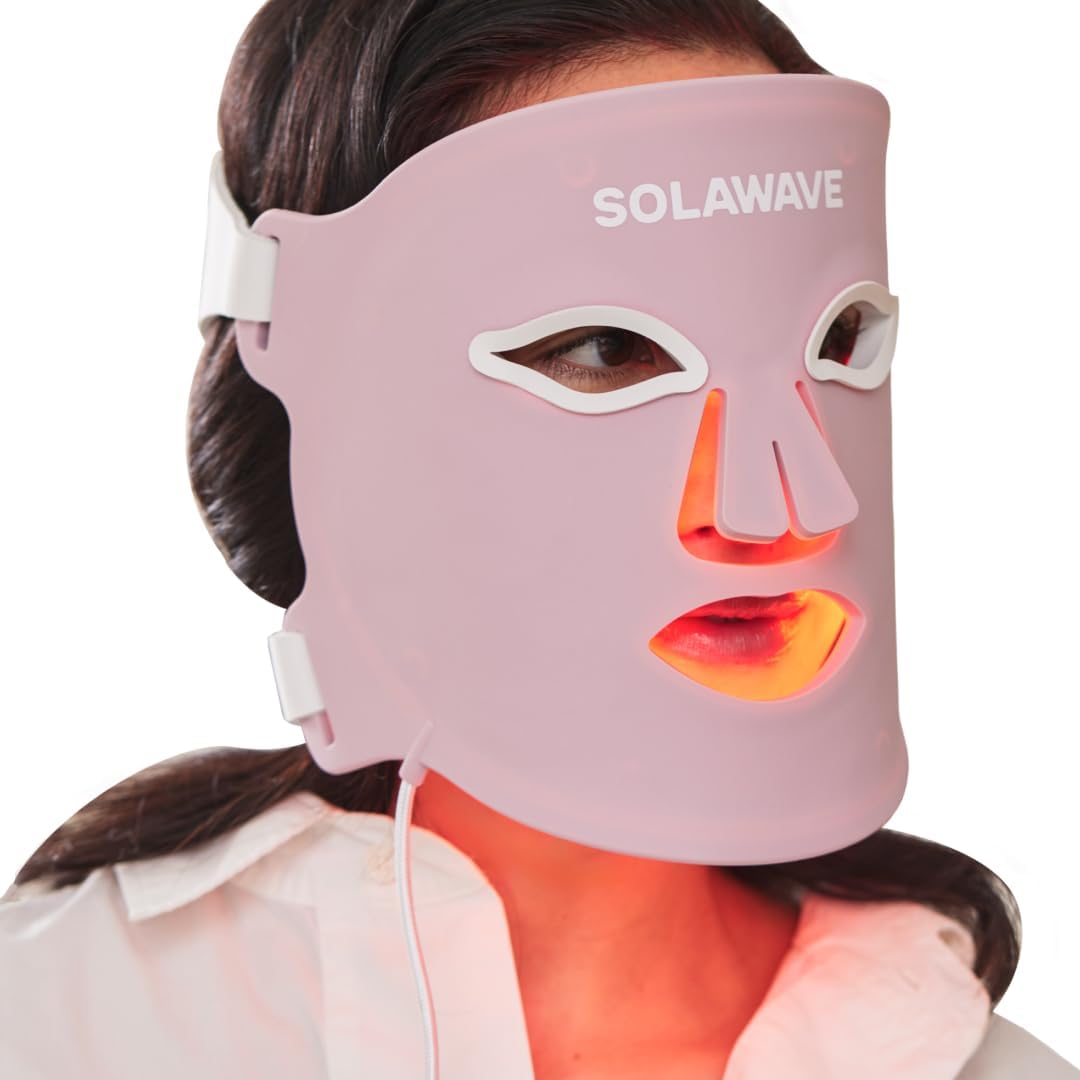
| Solawave LED Face Mask | Red / Deep Red / NIR / Amber | 10 min | Rechargeable | Multi-wavelength budget alternative |
| Verfubo FDA-Cleared Mask | Red + NIR, face & neck | 10-15 min | Rechargeable | FDA-cleared budget pick with neck coverage |
| NEWKEY 4D LED Mask | 630nm red | 15 min | Wired | Single-wavelength purist protocol |
CurrentBody Skin LED Mask Series 2 in depth
The Series 2 is the upgrade to CurrentBody’s bestselling flexible silicone mask. It uses 236 LEDs split between 633nm and 830nm, irradiating evenly across the face thanks to the conformable silicone shell. Sessions are 10 minutes, hands-free, and one full charge delivers roughly 30 treatments. For vitiligo-support use, the value proposition is twofold: dose consistency across the entire face (helpful for facial patches in the perioral, malar, and forehead regions) and a comfortable enough wear profile that you will actually use it five or six times a week — which is the dosing cadence that matters for any photobiomodulation outcome. Read our full CurrentBody Skin LED Mask Series 2 review for measured irradiance numbers.
Omnilux Contour Face in depth
Omnilux is the brand most often cited in peer-reviewed PBM literature, and the Contour Face is the home version of their clinic Omnilux Medical panels. It also delivers 633nm and 830nm light through a flexible silicone mask. The clinical pedigree matters more than spec-sheet differences here: many dermatologists treating vitiligo who recommend a home LED device specifically name Omnilux because they have already used the in-clinic system on patients. The Contour Face is FDA-cleared for facial rejuvenation. Sessions are 10 minutes, three to five times per week. See our Omnilux Contour Face review for a side-by-side power comparison with the CurrentBody Series 2.
Budget LED mask alternatives on Amazon
If $400+ is outside your budget while you discuss vitiligo treatment options with your dermatologist, several Amazon LED masks deliver red and near-infrared wavelengths in the same general range. None are vitiligo-cleared, all are off-label for repigmentation support, but they let you start a consistent at-home PBM routine inexpensively.
Solawave LED Light Therapy Face Mask (Red / Deep Red / NIR / Amber)
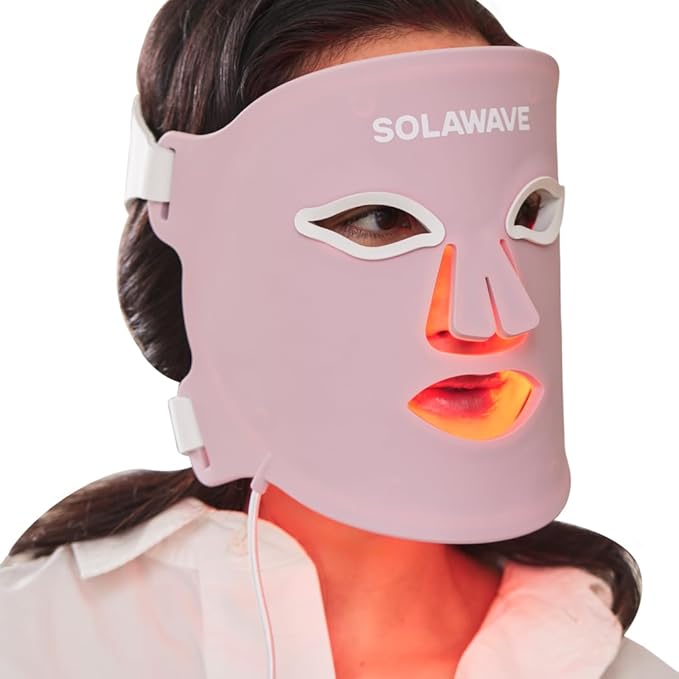
The Solawave is the closest budget analog to the CurrentBody and Omnilux because it pairs deep red and near-infrared simultaneously, with an amber mode that is useful for the post-inflammatory hyperpigmentation often seen around vitiligo patches after UV exposure. Flexible mask, 10-minute sessions, rechargeable, and easy to wear daily. Solawave LED Light Therapy Face Mask | Red, Deep Red, N
ONLUKY Red Light Therapy LED Face Mask with Neck
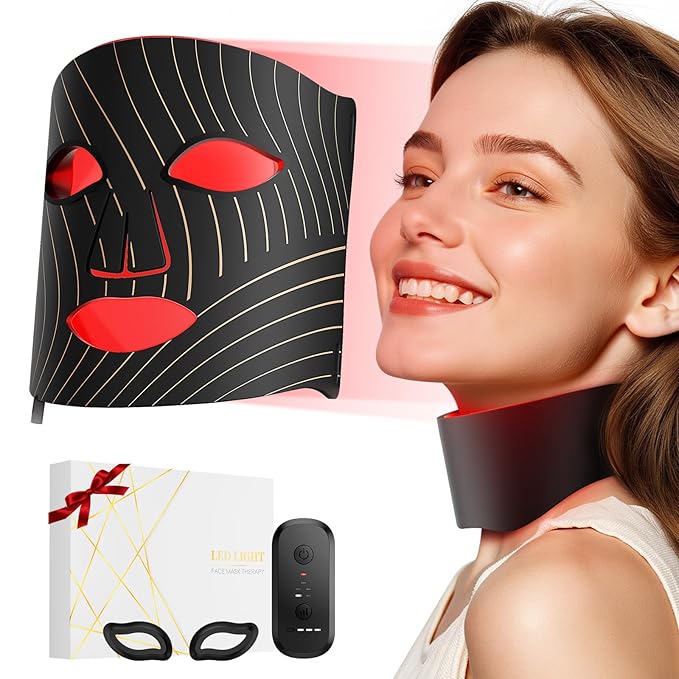
If your vitiligo patches extend onto the neck or jawline, the ONLUKY covers both surfaces in a single session, which is unusual at this price point. It uses red-spectrum LEDs across a rigid panel design with a hinged neck attachment. The neck coverage is the differentiator versus most masks that stop at the chin line. Red Light Therapy for Face,LED Face Mask Light Therapy
LED Face Mask with 7 Light Modes (Flexible Silicone)
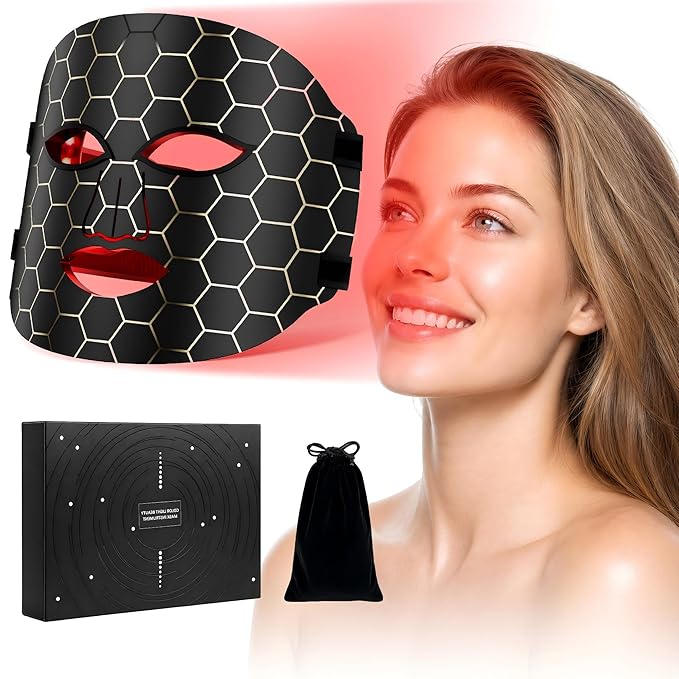
A multi-wavelength flexible silicone mask that includes red, near-infrared, blue, yellow, green, cyan, and purple modes. For vitiligo-adjacent use you will only run the red and near-infrared modes, but having the other wavelengths available makes this a versatile household device for acne, redness, and general rejuvenation in the same hardware. LED Face Mask with 7 Light Modes, 96 3-in-1 LED Chips,
NEWKEY 4D LED Red Light Therapy Face Mask (630nm)
This one is interesting for purist red-light protocols because it targets a single 630nm wavelength rather than mixing several. If you want to closely mimic the historical helium-neon laser work at 632.8nm at home, a clean 630nm device is the closest off-the-shelf match. Wired power supply means longer sessions are practical, and you are not limited by battery life on multi-zone treatments. 4D LED Red Light Therapy Mask for Face Skin Glowing,630
Verfubo FDA-Cleared Red Light Therapy for Face & Neck
The Verfubo is FDA-cleared for facial rejuvenation (not vitiligo) and is one of the few budget options to cross that regulatory bar. It covers face and neck, uses red and near-infrared wavelengths, and the FDA clearance gives some baseline confidence that wavelength and irradiance claims have been validated. A sensible middle-ground pick between a no-name Amazon mask and the $400+ flagship tier. FDA-Cleared Red Light Therapy for Face & Neck, Recharge
Building a vitiligo-support LED protocol at home
Whichever mask you choose, here is a starter cadence that mirrors most published photobiomodulation studies. Confirm with the dermatologist managing your case before starting, especially if you are also using nbUVB, excimer, topical steroids, calcineurin inhibitors, or oral JAK inhibitors:
- Cleanse skin and remove all topicals before each LED session
- 10 minutes of red + near-infrared light, five days per week
- Apply your dermatologist-prescribed topical immediately after the session, while skin is warm and circulation is elevated
- Track each patch with monthly photographs taken under identical lighting
- Allow 12-16 weeks before judging whether to continue, escalate, or adjust
Repigmentation, when it happens, almost always begins as small follicular dots within a patch before coalescing outward. Do not expect uniform colour return from any LED mask in the first two months. For deeper context on wavelengths and dosing, see our red light therapy wavelengths guide and our roundup of the best LED masks for pigmentation conditions.
Where the currentbody skin led mask vs omnilux contour for vitiligo repigmentation support question really lands
Both flagship masks deliver the same headline wavelengths (633nm + 830nm) at similar irradiance. Omnilux wins on clinical pedigree and dermatologist familiarity. CurrentBody wins on aesthetic, app integration, and slightly more comfortable extended use. For vitiligo support specifically, the more important variables are session consistency, integration with your overall dermatology plan, and patient-specific factors like patch location, patch age, and presence of follicular hair within the lesion. The cheapest mask you actually wear five days a week will outperform the most expensive mask sitting unused in a drawer.
Frequently Asked Questions
Can the CurrentBody LED mask treat vitiligo on its own?
No. The CurrentBody Skin LED Mask Series 2 is not FDA-cleared for vitiligo and should not be used as a standalone treatment. It can complement narrowband UVB, excimer laser, topical calcineurin inhibitors, or JAK inhibitor protocols only when your dermatologist explicitly approves the combination and the timing between modalities.
Is the Omnilux Contour better than CurrentBody for facial vitiligo patches?
Omnilux has a longer clinical history in photobiomodulation literature, which is why some dermatologists prefer recommending it. CurrentBody and Omnilux Contour deliver the same primary wavelengths at very similar irradiance, so for facial vitiligo support the practical difference is small. Choose based on comfort, price, and availability in your region.
How long until LED therapy might show vitiligo repigmentation results?
Existing photobiomodulation studies on vitiligo-related endpoints typically run 12 to 24 weeks. Follicular repigmentation is the most common early visible sign — small pigmented dots appearing within an otherwise white patch. Absence of any change at 16 weeks is a reasonable point to revisit the plan with your dermatologist.
Can I use an LED mask alongside narrowband UVB at home?
Yes, but spacing matters. Most clinicians recommend separating nbUVB and red/NIR LED sessions by at least several hours, and never stacking both immediately before applying a phototoxic topical. Confirm your specific schedule with the dermatologist supervising your nbUVB protocol.
Do cheaper Amazon LED masks work for vitiligo support?
Cheaper masks can deliver the same wavelengths, but irradiance, wavelength accuracy, and dose consistency vary widely between brands. FDA-cleared options like the Verfubo are a safer baseline. Pure 630nm devices like the NEWKEY 4D more closely mimic the historical helium-neon laser studies for vitiligo.
Will an LED mask cause more pigment loss or koebnerization?
Red and near-infrared LED light is non-thermal at home-use irradiance and is not associated with koebnerization in the published literature. Mechanical pressure from rigid masks on active lesions is the more realistic concern, which is why flexible silicone masks are generally preferred for vitiligo-prone skin.
Can LED light therapy help stabilise spreading vitiligo?
Stabilisation (halting active spread) is the first treatment goal in modern vitiligo protocols and is typically achieved with systemic or topical immunomodulators rather than light alone. LED therapy is best added once stabilisation is achieved, as a repigmentation-support adjunct. It is not a stabilisation tool by itself.
Key Takeaways
- Choosing the right currentbody skin led mask vs omnilux contour for vitiligo repigmentation support means matching capacity and output ports to your actual devices
- Always check actual watt-hours (Wh), not just watts — runtime depends on Wh, not peak output
- Also covers: led mask vitiligo repigmentation
- Also covers: red light therapy vitiligo patches
- Also covers: omnilux for white skin patches
- Compare price-per-Wh across models to find the best value for your budget