If your ZIIP Halo won't power on or drains within minutes of unplugging, the answer is almost always one of four things: a dead lithium cell, a damaged USB cable, oxidized charging contacts, or firmware that locked up after a deep discharge. This 2026 guide walks through how to troubleshoot ZIIP Halo not turning on or holding charge fix sequences in the exact order ZIIP's own support team uses, plus the silent-failure modes that aren't in the official manual. You'll also see when it's time to retire the unit and what luxury alternatives (LED masks, microcurrent successors) make sense in 2026 if the battery is genuinely cooked.
Quick diagnostic: which failure mode is yours?
Before tearing into long fixes, identify the symptom precisely. The ZIIP Halo has three distinct failure patterns, and the repair path differs for each.
The best how to troubleshoot ZIIP Halo not turning on or holding charge fix for your situation depends on how you plan to use it and where.
- No lights at all when you press the power button, even after a long charge — usually a charging-circuit or contact issue.
- One quick flash, then dead — classic deeply discharged battery that needs a long, slow trickle revival.
- Powers on, runs 30–90 seconds, then dies mid-treatment — the battery's chemistry has degraded and won't hold a usable charge anymore.
Knowing which bucket you're in will save you an hour of guessing. The first two are almost always recoverable. The third usually isn't.
Step 1: Rule out the cable and adapter first
More than half of "my Halo died" tickets at ZIIP support turn out to be a frayed USB-C cable or a low-amp wall brick. The Halo charges over USB-C and is sensitive to underpowered adapters.
- Swap to a known-good USB-C cable — ideally the original one shipped with the device, or a certified 3A cable.
- Plug into a wall adapter rated at 5V / 2A or higher. Avoid laptop hubs, multi-port travel adapters, and old 1A phone chargers — they often won't push enough current to wake a deeply discharged Halo.
- Watch for the small charging light on the back of the device. If it doesn't illuminate within 30 seconds, the cable, port, or contacts are the problem — not the battery yet.
If you see no light at all after swapping cables, move to Step 2.
Step 2: Clean the charging contacts
The Halo's USB-C port collects skin oil, dried Golden Conductive Gel residue, and dust. Even a thin film of conductive gel inside the port will block charging because it bridges pins unpredictably.
- Power-disconnect the device.
- Use a wooden toothpick (never metal) to gently scrape any residue out of the USB-C port.
- Follow with a cotton swab very lightly dampened with 91%+ isopropyl alcohol. Let it dry fully — at least 15 minutes — before plugging anything back in.
- While you're at it, wipe the two front conductive nodes (the metal spheres). Oxidation here doesn't stop charging but will make the device feel like it "isn't working" once it's powered on.
Now try charging again for at least 4 uninterrupted hours before testing power.
Step 3: The long-trickle revival for deeply discharged batteries
If a ZIIP Halo sits unused for 6+ months, the lithium cell can drop below the voltage threshold where the internal charge controller refuses to accept current. This is the single most common cause of "my Halo won't turn on or hold charge" — and it's recoverable.
The fix: leave the Halo plugged into a 2A wall adapter for a continuous 12–24 hours. Do not touch the power button during this period. Do not unplug to "check." The trickle current slowly brings cell voltage back above the cutoff, and only then does the normal charge cycle begin.
After 24 hours, unplug and try a 30-second power-on test. If the device runs, immediately plug it back in for another full charge cycle before any real treatment.
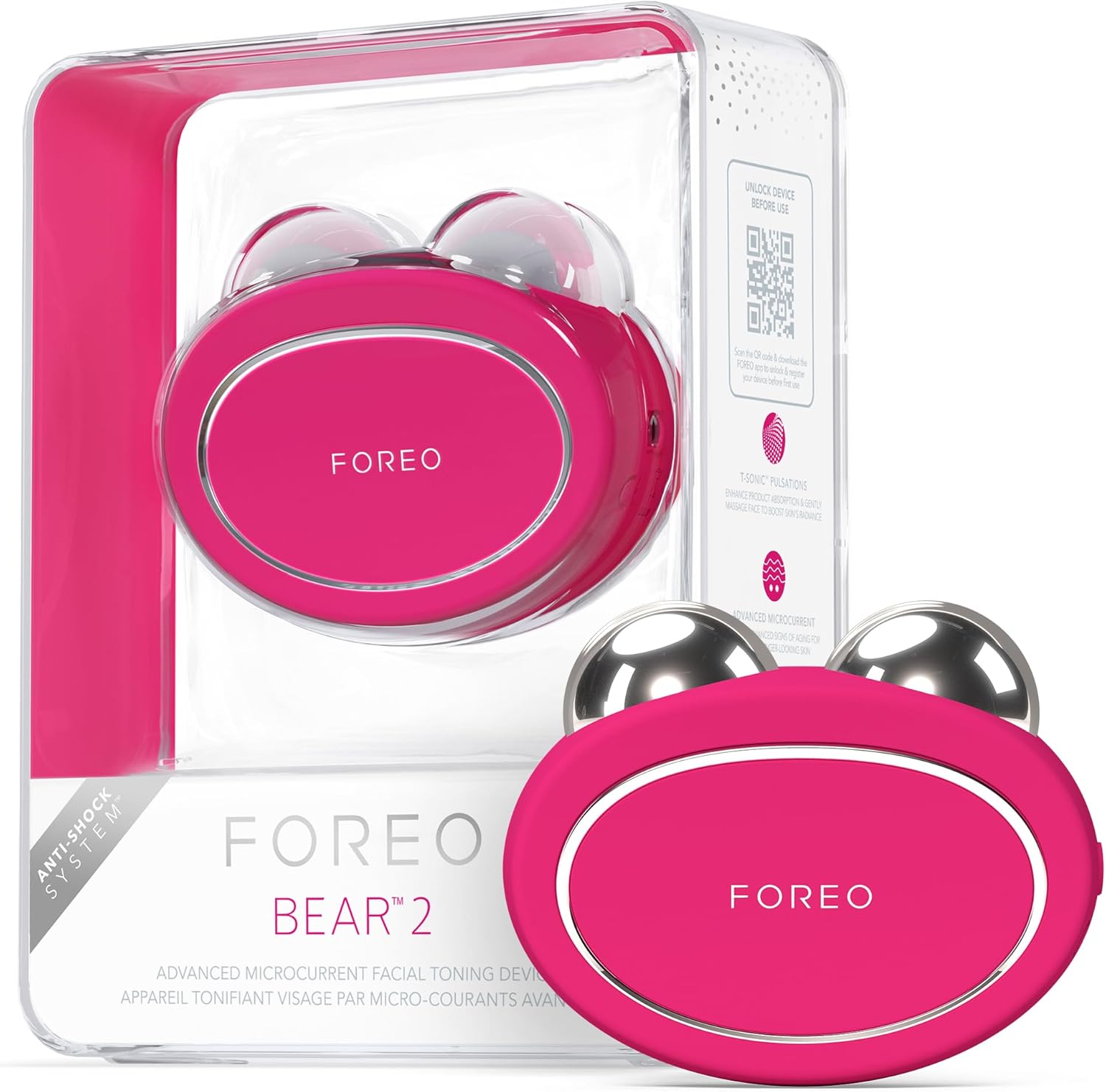
Step 4: The hidden reset sequence
The Halo has an undocumented soft-reset that ZIIP support will walk you through if you call. Try it before assuming the device is dead.
- Plug the Halo into a wall charger.
- Press and hold the power button for a full 20 seconds while plugged in.
- Release. Wait 60 seconds.
- Press the power button normally. The device should boot to the lowest intensity setting.
This clears the firmware state that sometimes gets stuck after an over-current event (for example, if you ran the device through too much conductive gel or got it wet).
Step 5: When the battery is genuinely dead
If the Halo passes Steps 1–4 and still drains in under 5 minutes per session, the lithium cell has lost capacity and there's no consumer-serviceable fix. The Halo is sealed; the battery isn't user-replaceable. Your options at that point are:

- Contact ZIIP support at support@ziipbeauty.com with your order number. Devices under 1 year often qualify for replacement; older units occasionally qualify for a discounted swap to the current Halo or GX model.
- Trade up to a current-generation device. The 2026 Halo refresh has a USB-C fast-charge improvement, but if you're already shopping, this is the moment to consider whether you want to stay in microcurrent or add LED therapy to your stack — see the comparison below.
If you're replacing it: LED masks that complement (or replace) microcurrent
Many ZIIP users we hear from end up running both microcurrent and LED. Microcurrent lifts and tones; LED targets collagen, inflammation, and pigment. If your Halo is dead and you're rebuilding your at-home stack for 2026, here are the LED masks worth comparing. See also our guide to the best LED masks for microcurrent users and red light therapy vs microcurrent in 2026.
| Mask | Wavelengths | Form factor | Best for |
|---|---|---|---|
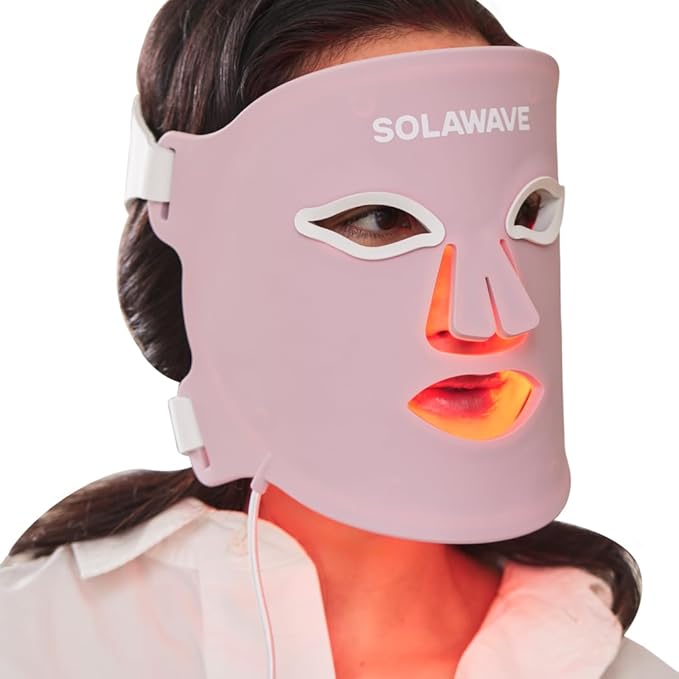
| Solawave LED Mask | Red, Deep Red, NIR, Amber | Rigid contoured | Anti-aging + tone |
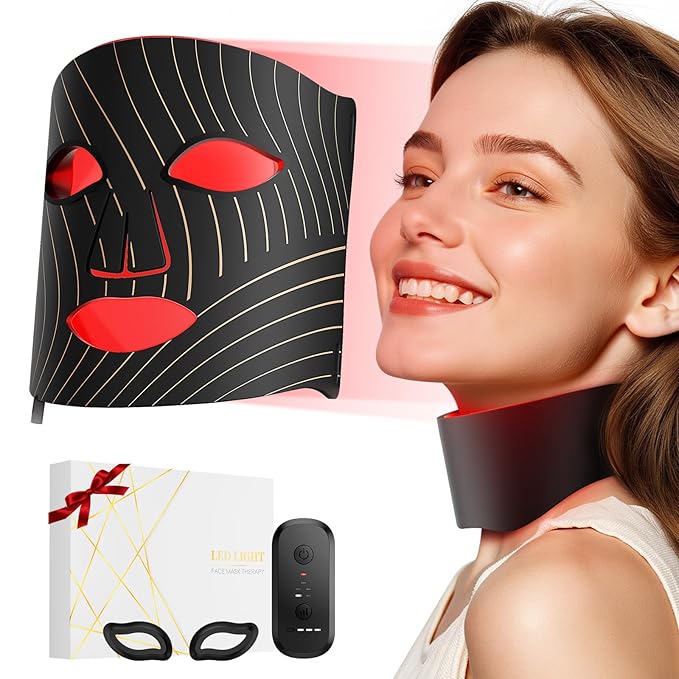
| ONLUKY Mask w/ Neck | Red + blue multi-mode | Rigid + neck panel | Full décolletage |
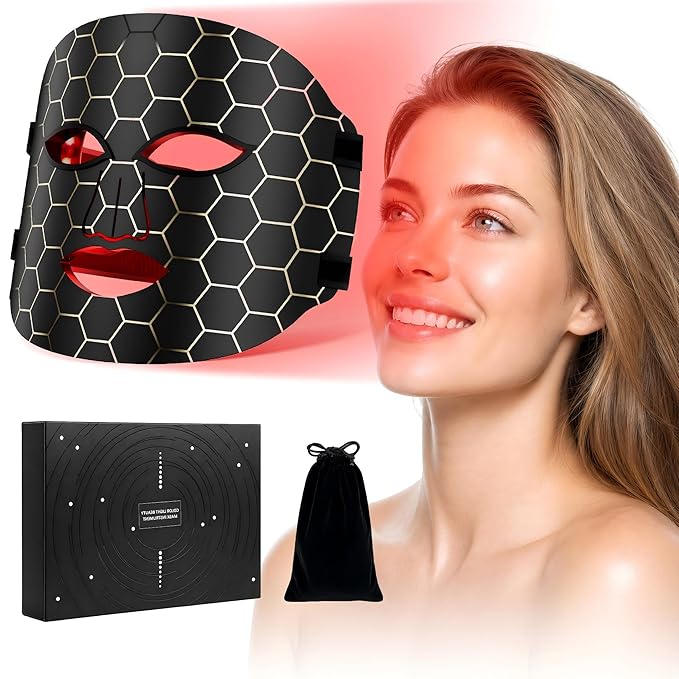
| Flexible Silicone 7-Mode | 7 color spectrum | Flexible silicone | Travel + fit comfort |
| NEWKEY 4D 630nm | Red 630nm focused | Rigid 4D contour | Pure red-light purists |
| Verfubo FDA-Cleared | Red + NIR face & neck | Rigid + neck | FDA-clearance buyers |
Solawave LED Light Therapy Face Mask
Solawave's mask runs four clinically meaningful wavelengths — Red, Deep Red, Near-Infrared, and Amber — in a rigid contoured shell. For a ZIIP refugee, this is the closest "premium feel" replacement: build quality matches the Halo's, and the brand has a track record in microcurrent wands too. Check the Solawave LED Mask on Amazon.
ONLUKY Red Light Therapy Mask with Neck
If your Halo treatments were as much about the jawline and neck as the face, ONLUKY's bundled neck panel matters. You can run face and neck simultaneously instead of swapping. See the ONLUKY mask on Amazon.
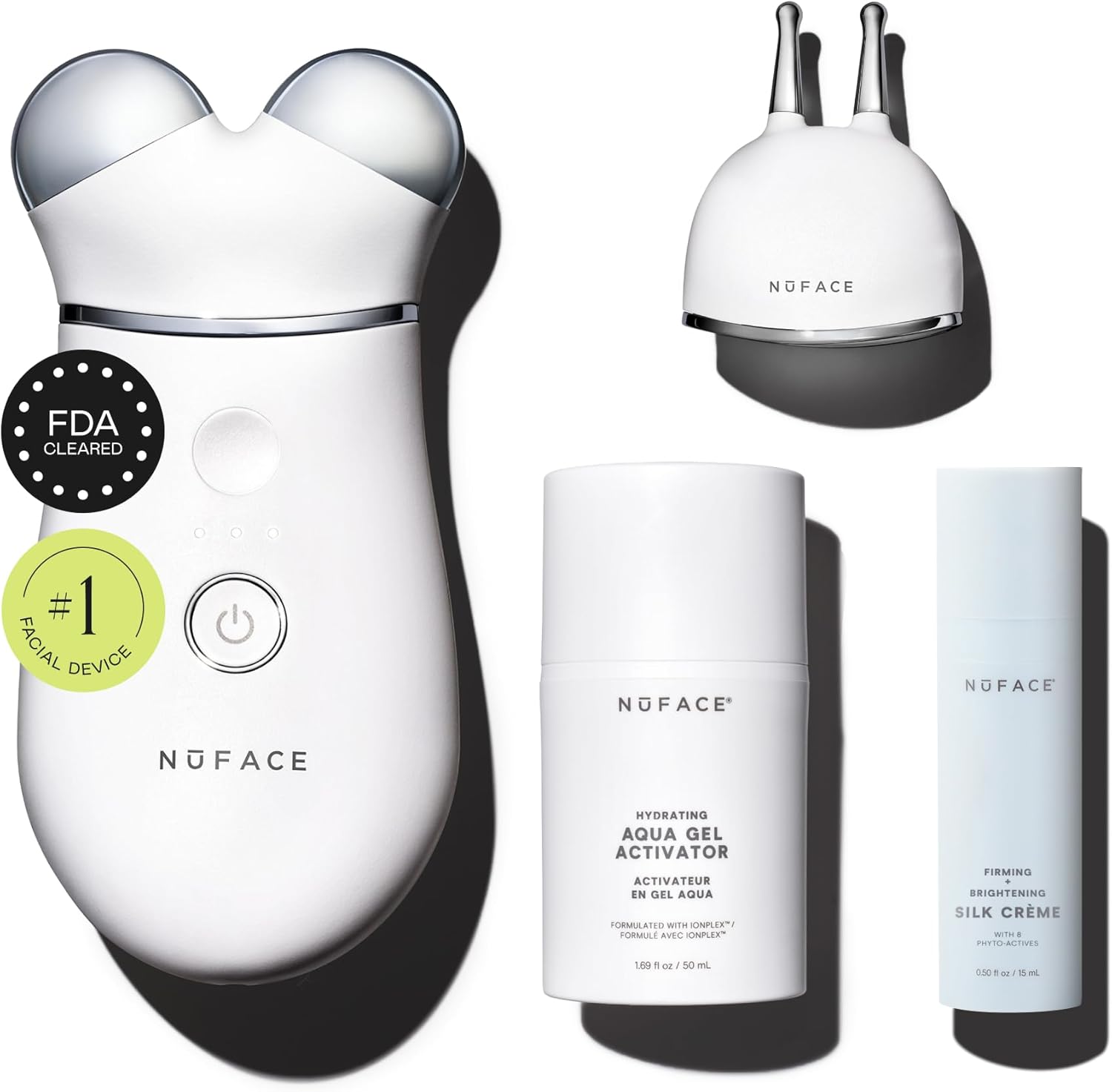
Flexible Silicone 7-Mode LED Mask
The flexible silicone form factor is the one to pick if you found the Halo annoying to travel with. It folds, weighs almost nothing, and covers more cheek and jaw area than rigid masks because it conforms. Seven color modes is overkill for most people, but red plus NIR is what you'll actually use. View the flexible silicone mask on Amazon.
NEWKEY 4D LED Red Light Therapy Mask 630nm
For purists who want a tightly focused 630nm red wavelength without the cluttered "7 colors that don't do anything" UX, NEWKEY's 4D is a clean pick. Check the NEWKEY 4D mask on Amazon.
Verfubo FDA-Cleared Red Light Therapy for Face & Neck
If FDA clearance is a non-negotiable for you (it should be, frankly, for anything you're shining into your eyes daily), Verfubo's cleared face-and-neck system is the safest entry point at this price tier. See the Verfubo system on Amazon.

Care habits that prevent a repeat ZIIP failure
Whether you stick with ZIIP or move on, these habits extend any rechargeable beauty device's life. They are also why battery care for luxury beauty devices is the topic most owners ignore until something dies.
- Never store a device at 0% or 100% for long stretches. 40–60% is the lithium sweet spot for storage of more than 2 weeks.
- Top up monthly even if unused. Plug the Halo in for an hour every 3–4 weeks. This prevents the deep-discharge lockup that triggers half the "won't turn on" tickets.
- Wipe contacts after every session. Conductive gel left to dry on metal nodes eventually pits the plating and increases resistance.
- Keep humidity moderate. Bathrooms with constant steam shorten battery and circuit life on every sealed device, not just the Halo.
Frequently Asked Questions
Why does my ZIIP Halo blink red when I press the power button?
A solid or blinking red light usually means battery below 15%. Plug in for a full 4 hours minimum. If red continues after a full charge cycle, the cell isn't accepting current properly — run the 24-hour trickle revival from Step 3, then the 20-second reset from Step 4.
How long should a ZIIP Halo battery last per full charge in 2026?
A healthy Halo runs roughly 60–90 minutes of treatment time per full charge, which works out to 12–18 standard sessions. If you're getting fewer than 5 sessions, the cell has degraded and replacement is more cost-effective than continued troubleshooting.
Can I use a fast charger to revive a ZIIP Halo that won't hold charge?
No. Fast chargers (PD, QC 3.0, etc.) deliver more voltage than the Halo's controller expects on initial wake from deep discharge, and the controller will simply reject the input. Use a standard 5V/2A adapter for the long trickle revival.
Does ZIIP replace dead Halo batteries out of warranty?
Officially no — the unit is sealed. In practice, ZIIP support sometimes offers a discounted upgrade to the current Halo or GX, especially if you can show purchase history. Email support@ziipbeauty.com with the order number before assuming it's a total loss.
What's the difference between ZIIP Halo not turning on vs not charging?
Not charging means the indicator light won't come on when plugged in — a cable, port, or controller issue. Not turning on after a full charge means the battery accepted current but can't hold a usable voltage — a cell-degradation issue. The fixes are different: charging issues are usually solvable; cell degradation usually isn't.
Can I open my ZIIP Halo to replace the battery myself?
The Halo is ultrasonically welded and not designed to be opened. Cracking the seal voids any remaining warranty and exposes you to lithium-cell puncture risk. Don't do it. If the battery is gone, the responsible move is either a manufacturer replacement or a new device.
Should I switch from ZIIP to an LED mask if my Halo dies?
They do different things. Microcurrent (ZIIP) targets muscle tone and lift; LED targets collagen, inflammation, and pigment. Most users we hear from in 2026 run both. If you only want one and your Halo is dead, LED masks are cheaper, have no rechargeable battery to fail in three years, and have more peer-reviewed evidence behind specific 630nm and 830nm wavelengths.
Key Takeaways
- Choosing the right how to troubleshoot ZIIP Halo not turning on or holding charge fix means matching capacity and output ports to your actual devices
- Always check actual watt-hours (Wh), not just watts — runtime depends on Wh, not peak output
- Also covers: ZIIP Halo won't charge fix
- Also covers: ZIIP Halo dead battery troubleshoot
- Also covers: ZIIP Halo blinking red light
- Compare price-per-Wh across models to find the best value for your budget