Quick answer: Wait a full 10-14 days after Botox before switching a microcurrent device back on, then keep the wand on the lower face, jawline, neck, and décolleté while completely avoiding the injected zones for the first 4-6 weeks. This guide on how to use microcurrent device after Botox timing and safe zones covers the science behind the waiting window, the exact map of welcome vs forbidden areas, the 2026 dermatology consensus on intensity settings, and which LED light therapy masks you can safely use during the blackout period so your routine never stalls.
The short answer dermatologists give in 2026
Almost every injector-approved protocol updated this year converges on the same rule: do not run microcurrent over botulinum toxin injection sites until the neuromodulator has fully bound to its target neuromuscular junctions. That binding is functionally complete around day 10 to 14. Before that window closes, the alternating low-level current produced by a home microcurrent tool can theoretically move unbound toxin away from the intended muscle, blunt your results, or in worst cases drift toxin into a neighboring muscle that you did not want frozen, like the levator palpebrae that holds your eyelid up.
The best how to use microcurrent device after Botox timing and safe zones for your situation depends on how you plan to use it and where.
After day 14, microcurrent on the non-injected regions of the face and neck is considered safe and is actually encouraged because it preserves jawline tone, lifts the lower face, and complements the smoothing effect of Botox in the upper third. The catch is geographic: even at the four-week mark, you should still treat the immediate injection points as no-go zones unless your injector has cleared you in writing.
Why timing matters: the biology behind the 14-day rule
Botulinum toxin type A works by cleaving SNAP-25 inside the presynaptic nerve terminal, which prevents acetylcholine release and therefore prevents muscle contraction. That cleavage is not instant. Onset begins around 48-72 hours, peaks at day 7-10, and stabilizes around day 14. Microcurrent devices deliver micro-amperage current (typically 25-400 microamps) that stimulates ATP production and gently contracts the facial muscles you are sculpting. Stimulating contraction in a muscle whose toxin uptake is still in progress is the exact scenario injectors want to avoid.
There is a second concern: lymphatic flow. Microcurrent paired with conductive gel acts as a mild lymphatic drainage tool. Drainage during the first week can carry diluent and unbound toxin molecules out of the target tissue plane faster than intended. This is the same reason your injector tells you not to get a facial massage, lie face-down, or hit the sauna for 24-72 hours post-treatment.
The exact safe-zone map after day 14
Assume the standard Botox cocktail: glabellar 11s, forehead horizontals, and crow's feet at the lateral canthus. Once you are past the two-week mark, here is what is on the table.
Green zones (full microcurrent welcome): jawline from the angle of the mandible to the chin, submental triangle under the chin, anterior and lateral neck, décolleté, cheek apples below the orbital rim, nasolabial fold area, and the perioral region around the lips. These are the regions where microcurrent shines for lifting and contouring and where Botox is rarely injected.
Yellow zones (low intensity only, avoid direct injection points): upper cheek and lateral temple. You can glide over these if you stay at least 1.5 cm away from any visible injection bruise or pinpoint mark and keep intensity at level 1-2.
Red zones (completely off-limits for 4-6 weeks): glabella between the brows, full forehead, lateral orbital rim where crow's feet were treated, masseter if you had jaw slimming, and the platysmal bands if you had a Nefertiti lift. After six weeks these zones can be cautiously reintroduced at the lowest setting.
Step-by-step: your first microcurrent session post-Botox
Day 14 evening or later. Cleanse and pat dry. Apply a generous layer of conductive gel only to the green zones outlined above. Set your device to its lowest intensity. Begin at the center of the neck and sweep upward toward the ear in three slow passes per side. Move to the jawline and sweep from chin to ear, again three passes per side. Lift the cheek with upward-and-outward strokes that stop before the lateral orbital rim. Skip the forehead and glabella entirely. Total session length: 5-7 minutes, half of your usual time. Rinse the gel, apply a hydrating serum, and finish with LED red light if you have a mask. Repeat 3-4 times per week, not daily, for the first month.
Bump intensity up one level per week as long as you have no twitching, asymmetry, or dropped brow. If anything feels off, stop and message your injector before the next session. For more on stacking modalities safely, see our microcurrent and LED stacking order guide.
The LED bridge: what to use during the 14-day blackout
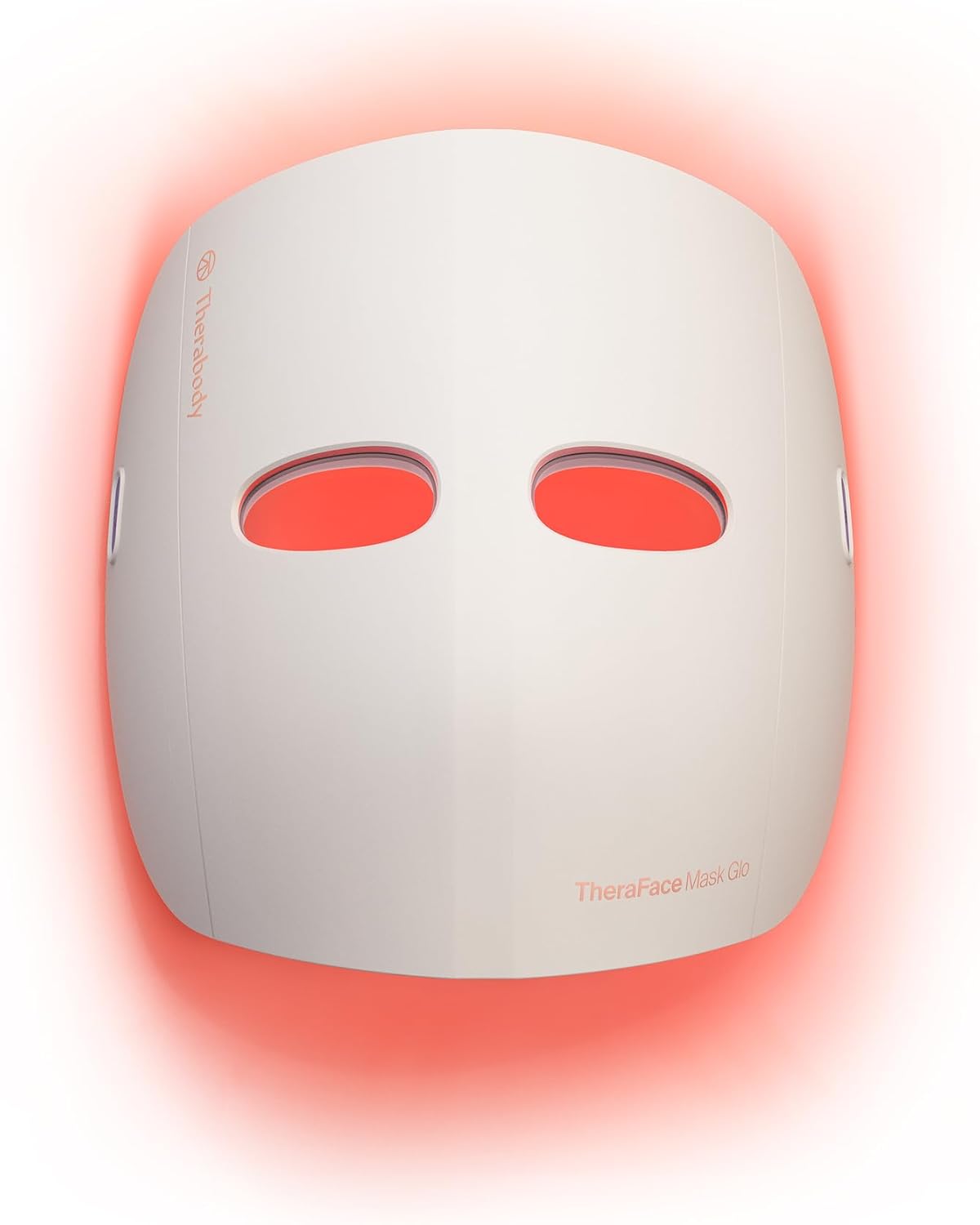
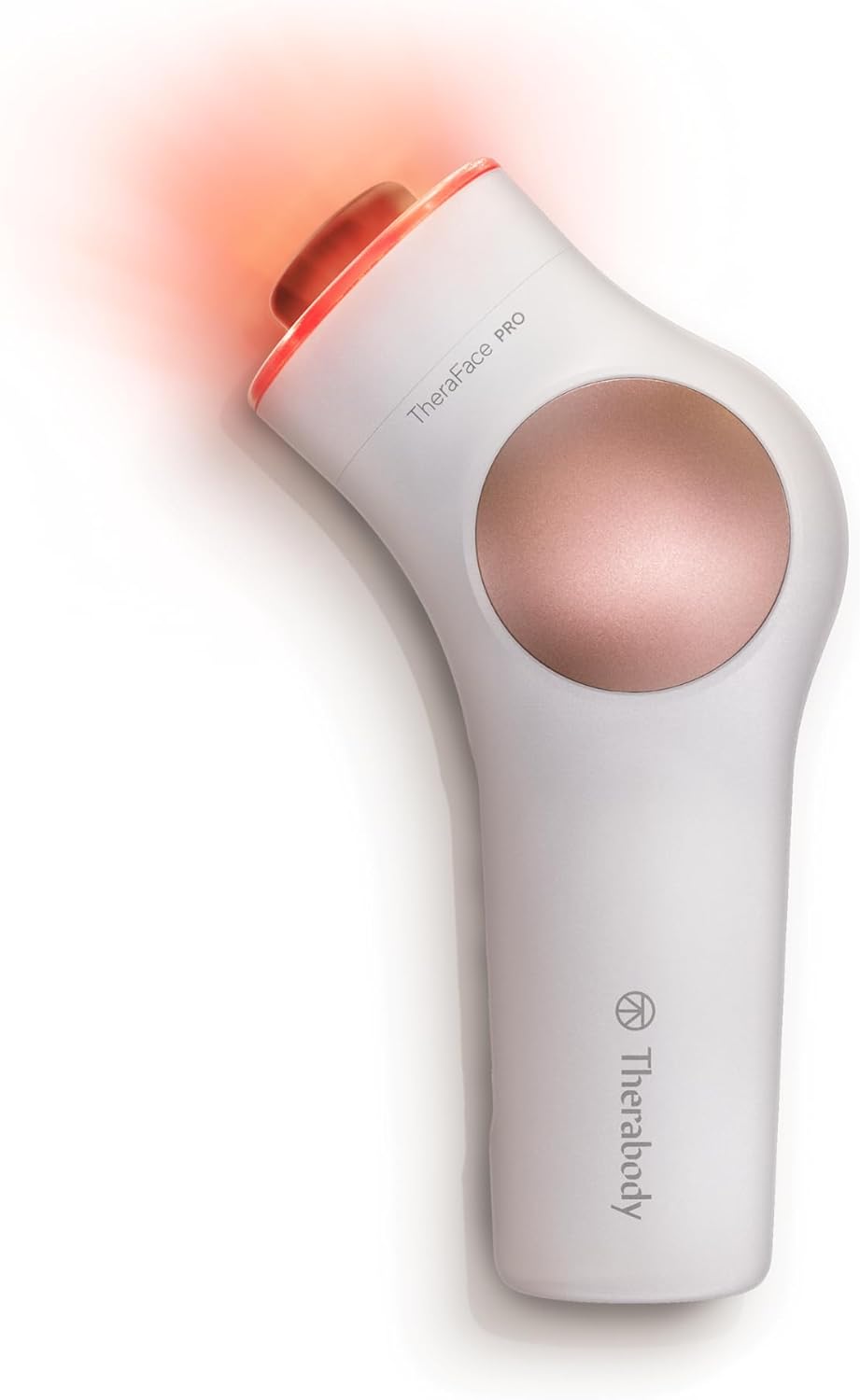
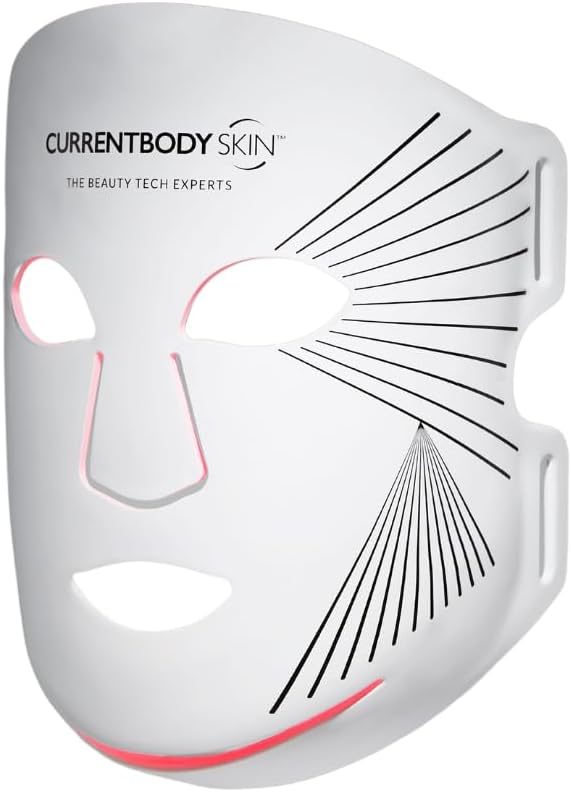
Here is the part that keeps your routine alive while microcurrent is paused. Red and near-infrared LED light therapy is the one modality that every major injector cleared as safe to use within 24 hours of Botox, often the same evening. LED does not contract muscle, does not move toxin, and actually reduces post-injection bruising and inflammation through cytochrome c oxidase activation in the mitochondria. A flexible silicone mask is the easiest way to cover the entire face and neck without pressure on injection sites.
Comparison: LED masks that bridge the post-Botox window
| Mask | Wavelengths | Coverage | Session length | Best for |
|---|---|---|---|---|
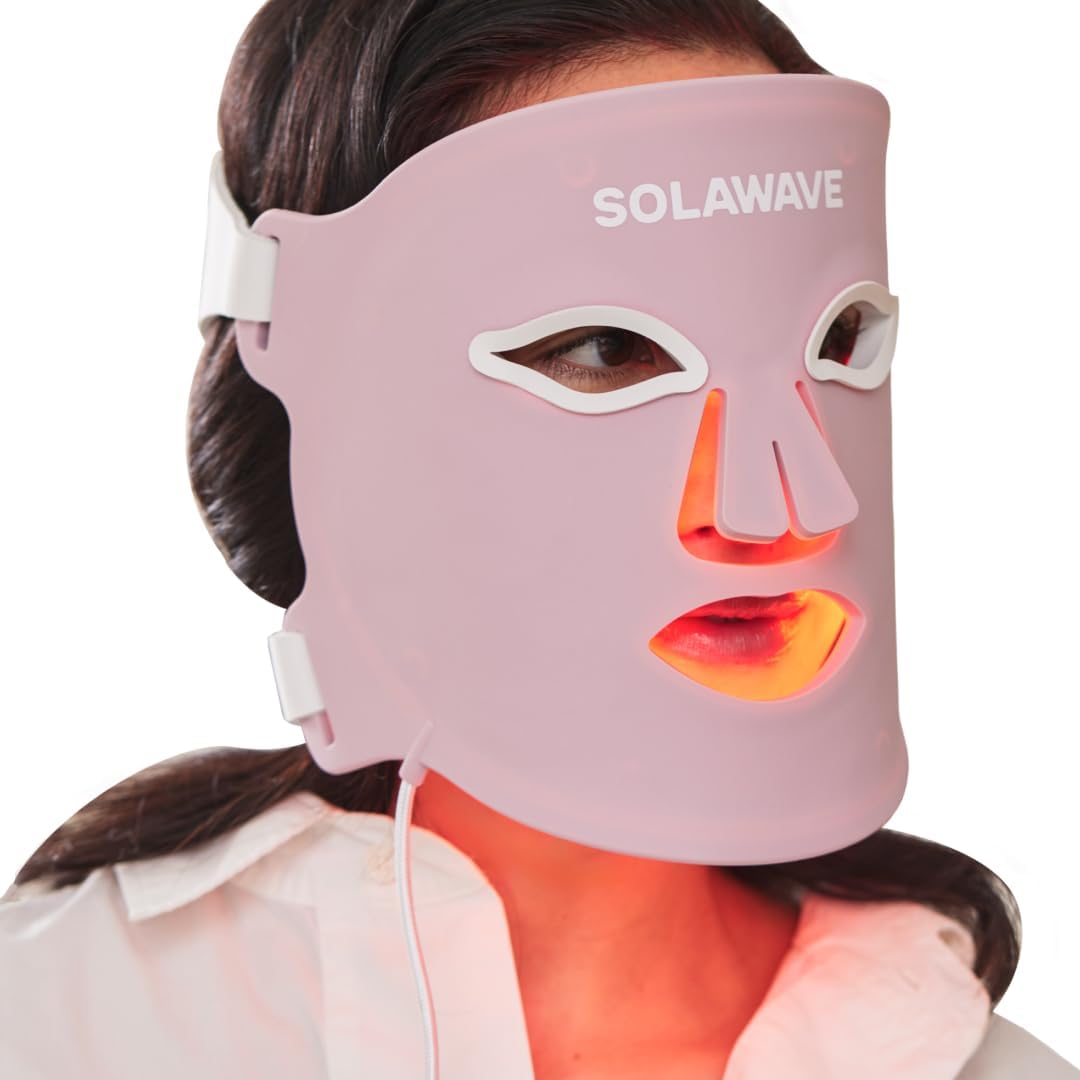
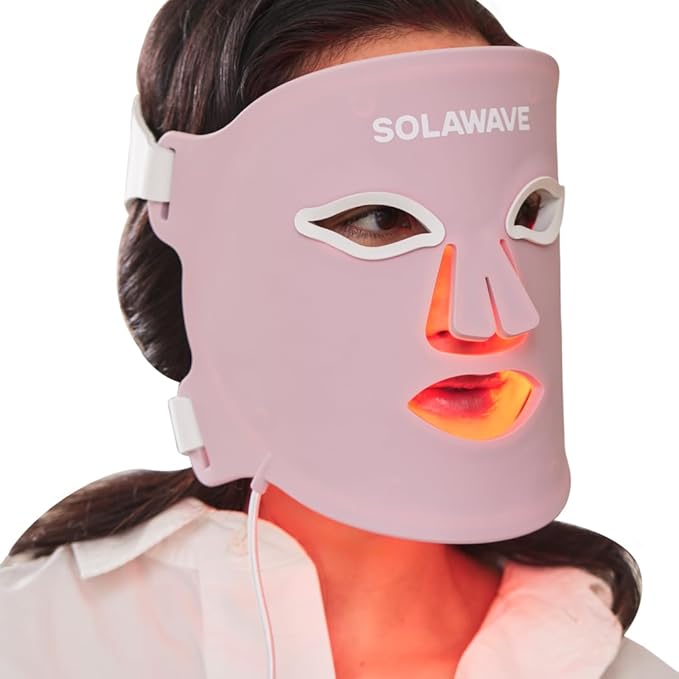
| Solawave Multi-Wavelength | Red, Deep Red, NIR, Amber | Face | 10 min | Bruise recovery + collagen |
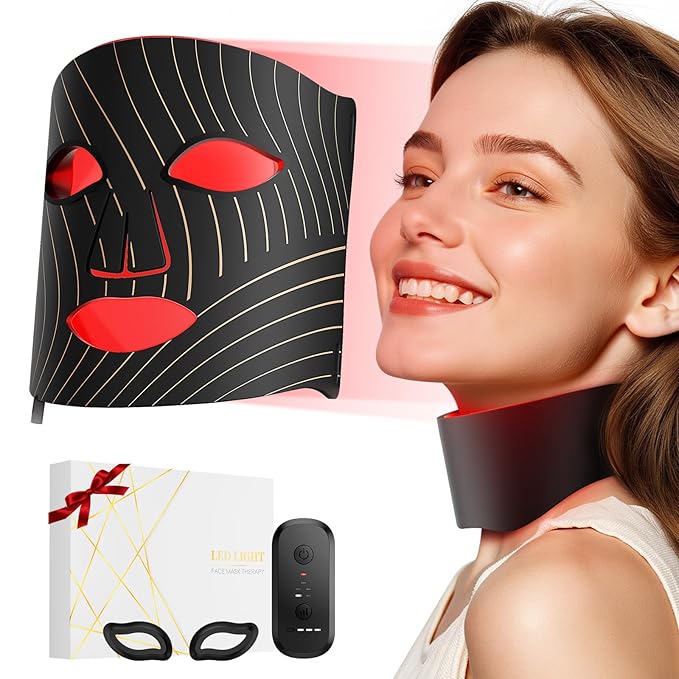
| ONLUKY Red + Neck | Red 630nm | Face & neck | 10-15 min | Full lower-face support |
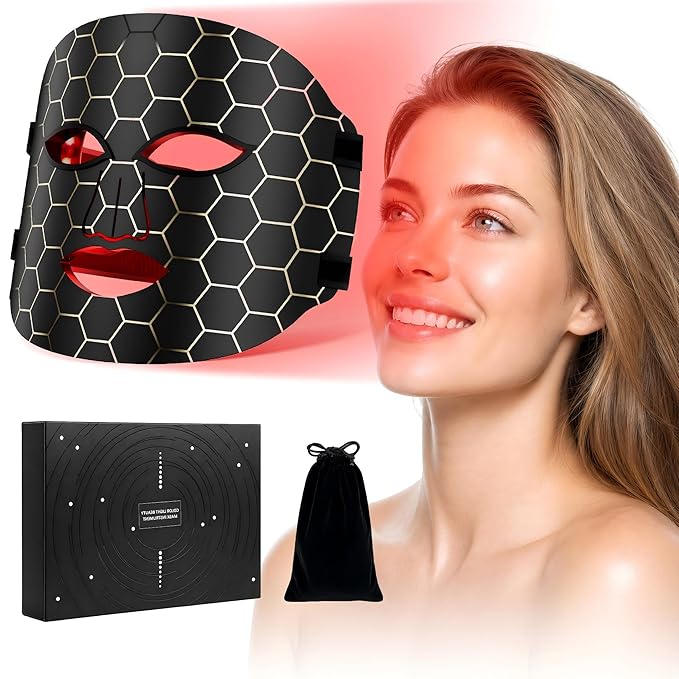
| Flexible Silicone 7-Mode | 7 colors incl. red, NIR | Face | 10 min | Multi-concern routines |
| NEWKEY 4D 630nm | Red 630nm | Face contoured | 10-15 min | Targeted red therapy |
| Verfubo FDA-Cleared | Red + NIR | Face & neck | 10 min | Clinical-grade reassurance |
Solawave LED Light Therapy Face Mask — best multi-wavelength for bruise recovery
The Solawave mask combines red, deep red, near-infrared, and amber in a single session, which is exactly the spectrum used in clinical studies on accelerated post-procedure healing. Deep red and NIR penetrate to the dermis where Botox bruising lives, while amber calms surface redness from the needle pricks. Use it the same night as your injections and every night through day 14, then continue 3-4 times per week as your microcurrent recovery partner. Check the Solawave mask on Amazon.
ONLUKY Red Light Therapy LED Face Mask with Neck — best face-plus-neck coverage
The platysma and anterior neck are where post-Botox patients often feel left out because their forehead is paused but they still want progress somewhere. ONLUKY's mask extends down over the neck, letting you stimulate collagen in the exact green zone you will return to first with microcurrent on day 14. The 630nm wavelength is the well-studied collagen-band sweet spot. See the ONLUKY face and neck mask on Amazon.
Flexible Silicone 7-Mode LED Face Mask — best for multi-concern routines
If you are juggling pigmentation, breakouts, and post-injection healing in one routine, a 7-mode flexible silicone mask gives you red for collagen, blue for any breakout that flared from needle stress, and yellow for tone. The silicone hugs the face without putting pressure on the glabella, which matters more than people realize in the first 72 hours post-Botox. View the flexible silicone LED mask on Amazon.
NEWKEY 4D LED Red Light Therapy Mask 630nm — best targeted red therapy
The NEWKEY 4D contour fits closer to the cheekbones and jaw than most flat masks, which means the 630nm red light actually reaches the dermis where it needs to be rather than scattering off the air gap. It is a clean single-wavelength tool for people who want predictable collagen stimulation without juggling modes. Browse the NEWKEY 4D mask on Amazon.
Verfubo FDA-Cleared Red Light Therapy for Face & Neck — best clinical reassurance
FDA clearance is not a magic stamp, but for readers who want the regulatory paper trail before layering any device onto a post-injection face, Verfubo's cleared status plus combined red and near-infrared output makes it the lowest-friction choice. The face-and-neck coverage also doubles your bridge zones during the microcurrent blackout. Check the Verfubo mask on Amazon.
Common mistakes that wreck Botox results
The biggest one is impatience. Patients who fire up their microcurrent at day 3 because they read a blog from 2019 saying "wait 72 hours" are working from outdated guidance. The 72-hour figure predates the wider availability of higher-amperage home devices. With 2026-era tools pushing 400+ microamps, the conservative 10-14 day window is the only defensible rule. The second mistake is treating the entire face as one zone. Botox is geographically precise; your microcurrent routine needs to match. The third is skipping the conductive gel on green zones, which forces you to push harder on the device and increases the chance of stray current reaching yellow or red zones. For a deeper dive into device intensity, see our microcurrent intensity settings explained guide.
Frequently Asked Questions
Can I use NuFACE the day after Botox?
No. Every NuFACE protocol updated in 2026 and every major injector advisory says wait at least 10-14 days before any microcurrent device, including NuFACE Mini, Trinity, or Trinity+, is used on the face. You can use NuFACE on the neck and décolleté earlier if those areas were not injected, but the face itself is off-limits during the binding window.
How long after Botox can I do microcurrent on my jawline?
If your jawline was not injected for masseter slimming, you can resume microcurrent on the jawline at day 14. If you did have masseter Botox, wait a full 4-6 weeks before bringing microcurrent back to the jawline and lower face, and avoid the masseter belly itself for the entire 3-4 month duration of the toxin.
What microcurrent zones are safe after forehead Botox?
After forehead and glabellar Botox, your safe zones are the cheeks (below the orbital rim), nasolabial folds, jawline, chin, neck, and décolleté. The entire forehead, the area between the brows, and the temples are off-limits for at least 4 weeks. Re-enter those zones at the lowest intensity setting and only with your injector's blessing.
Will microcurrent shorten the life of my Botox?
Used after the 14-day binding window and on non-injected zones, no. Used too early or directly over injection points, possibly yes — some patients report results dropping off two to three weeks faster than usual when they ignored the timing rule. Stay patient and you will get the full 3-4 months.
Is LED light therapy safe immediately after Botox?
Yes. Red, deep red, and near-infrared LED light therapy is the one modality cleared for same-day use after Botox by nearly every injector in 2026. LED can actually speed bruise resolution and reduce post-injection inflammation. Avoid heat-emitting devices (like IPL or strong infrared saunas) for 24-48 hours, but standard cool-running LED masks are fine.
Can I combine microcurrent and LED in the same session post-Botox?
After day 14, yes. Run microcurrent first on green zones for 5-7 minutes, rinse the conductive gel, then layer a 10-minute LED session covering the full face including the previously off-limits Botox zones (LED does not move toxin). This stacking order maximizes ATP production and collagen signaling without crossing any safety lines.
What if I already did microcurrent at day 3 by mistake?
Stop further microcurrent immediately and wait the rest of the 14 days plus an additional week before resuming. Watch for asymmetry, drooping brow, or unexpected eyelid heaviness over the next 7-10 days and call your injector if anything appears. Most one-time early sessions at low intensity cause no lasting issue, but the next round of Botox should be scheduled with a strict no-device-for-two-weeks rule.
Do I need different rules for Dysport, Xeomin, or Daxxify?
The binding biology is similar but onset and full effect timelines differ slightly. Dysport onsets faster (2-3 days) and binds by day 10. Xeomin matches Botox at day 14. Daxxify binds fully by day 14 but lasts longer. The conservative rule that covers all four: wait 14 days, then follow the same safe-zone map outlined above. When in doubt, your injector is the source of truth for your specific product and dose.
Key Takeaways
- Choosing the right how to use microcurrent device after Botox timing and safe zones means matching capacity and output ports to your actual devices
- Always check actual watt-hours (Wh), not just watts — runtime depends on Wh, not peak output
- Also covers: microcurrent after botox waiting period
- Also covers: nuface trinity after botox forehead
- Also covers: ziip halo after botox safety
- Compare price-per-Wh across models to find the best value for your budget