Quick verdict: which device wins on crow's feet?
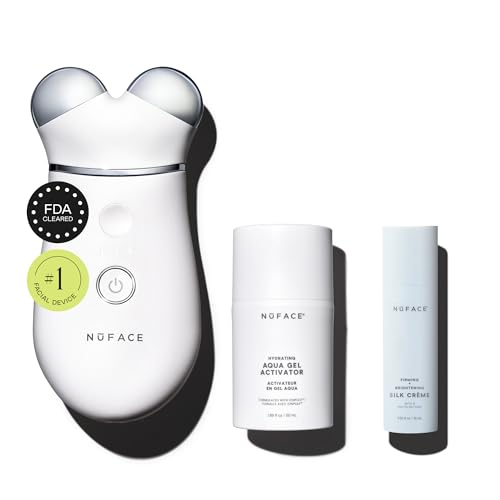
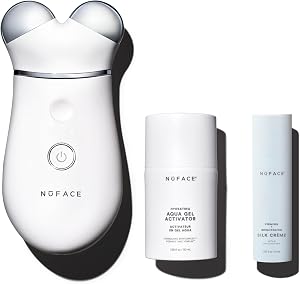
- The Original Lift Authority: TRINITY+ is the most advanced FDA-cleared microcurrent facial device, delivering 3 customizable frequencies & intensities across multiple depths to
- Face Lift Device & Skin Tightening: Microcurrent supports collagen and elastin production. Sculpts cheeks, lifts brows, firms and smooths skin with gentle waves that mimic a
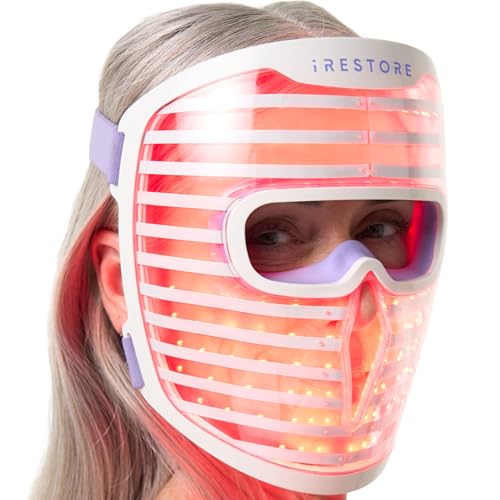
- The Most Powerful Red Light Mask for Visible Results: Experience professional-level rejuvenation at home with 360 LEDs, experience 2X the power. Targets fine lines, wrinkles
- Advanced Triple-Wavelength Technology: Powered by 3 scientifically backed wavelengths - Red (635nm), Infrared (830nm), and Blue (415nm), this LED face mask allows you to choose
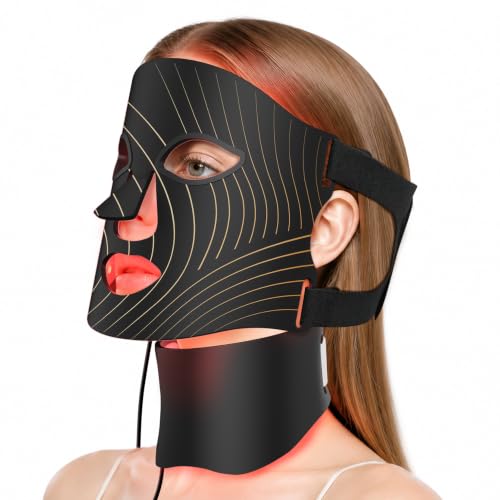
- 【Experience Advanced Red Light Therapy for Face】Indulge in the transformative power of our clinical - grade red light therapy mask. Boasting cutting - edge LED technology, it
- 【103 LED Beads & Deep Repair】Red light therapy for face has103 LED Beads whitch adopts innovative 3-in-1 chip technology, which increases the light wave aggregation effect by 3
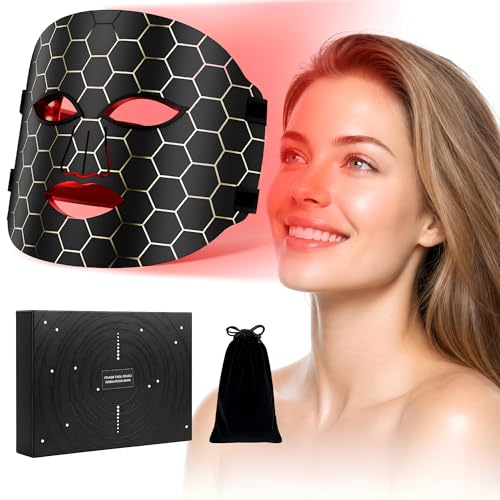
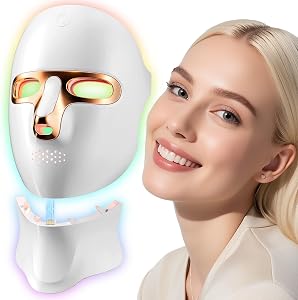
- 7 Light Modes for Your Daily Skincare Routine – Choose from red, blue, green, yellow, purple, white, and orange light settings based on your skin's needs. Each color is commonly
- 96 LED Beads for Full-Face Coverage – 96 high-quality LED chips work together to cover your entire face evenly, not just certain areas. Built-in timer with 5, 10, and 15-minute
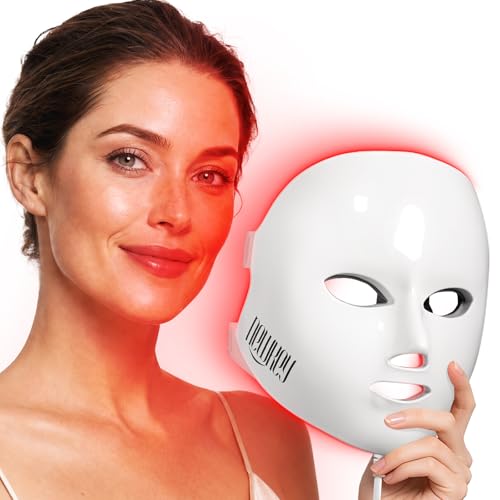
- Clinically Proven Transformation Results: In a clinical study,users report noticeable transformations where forehead creases are softened and nasolabial fold appears less
- Smoother Skin for Effortless Natural Makeup: Regular use of NEWKEY red and blue light therapy for face not only enhances skincare absorption but also provides an even surface
Top Picks
Side-by-side comparison
| Feature | Dr Dennis Gross EyeCare Max Pro | ZIIP Halo |
|---|---|---|
| Primary mechanism | Red 633 nm + NIR 830 nm LED | Nano- + microcurrent + low-dose LED |
| Session length | 3 minutes | 5–12 minutes (app-guided) |
| Hands-free | Yes (goggle form) | No (handheld) |
| Conductive gel required | No | Yes (GelStream) |
| App-controlled | No | Yes (Bluetooth) |
| Best for | Static fine lines, daily collagen build | Instant lift, depuffing, dynamic crinkle |
| Time to visible change | 6–10 weeks | Same day (transient) / 4–6 weeks (durable) |
| Approx. 2026 price | $199 | $595 |
If you are weighing the Dr Dennis Gross DRx SpectraLite EyeCare Max Pro vs ZIIP Halo for crow's feet in 2026, the short answer is this: the EyeCare Max Pro is the stronger daily-use tool for fine, etched lines because red and near-infrared LED stimulates dermal collagen over weeks of compounding sessions. The ZIIP Halo wins for instant lift, depuffing, and softening the dynamic crinkle around the outer canthus thanks to its dual nano- and microcurrent waveforms. Readers who can fit both into a routine usually alternate them — LED four mornings a week, microcurrent two evenings — for the fastest visible payoff.
What causes crow's feet (and why the device choice matters)
Crow's feet are a combination of two problems: thinning collagen in the periorbital dermis and repetitive contraction of the orbicularis oculi muscle every time you smile, squint, or scroll. A device that only addresses one of those drivers will plateau fast. Red light at 633 nm and near-infrared at 830 nm targets the collagen side by stimulating fibroblasts to upregulate type I and type III procollagen. Microcurrent at sub-sensory amperage targets the muscle side by re-patterning the contractile resting tone of the orbicularis. The Dr Dennis Gross device is purely the first category. The ZIIP Halo combines microcurrent with a low-dose LED panel — but its core mechanism is electrical.
Finding the right Dr Dennis Gross DRx SpectraLite EyeCare Max Pro vs ZIIP Halo for crow's feet comes down to matching the features to how you will actually use it.
Dr Dennis Gross EyeCare Max Pro: deep dive
The EyeCare Max Pro is the periorbital sequel to the brand's full-face SpectraLite FaceWare Pro. It is a rigid goggle that you press over closed eyes for a single three-minute session. Inside the goggle are 72 LEDs — a mix of red (633 nm) for fibroblast stimulation and near-infrared (830 nm) for deeper dermal reach. The dose per session is calibrated so you cannot overdo it; the device shuts off automatically. Because it is hands-free, you can use it while drinking coffee, on the Peloton, or during a Zoom standup with your camera off.
What it does well for crow's feet: in fibroblast studies, 633 nm and 830 nm wavelengths reliably upregulate procollagen at the dose range delivered here. After about six weeks of daily use, most users see softening of static etched lines at the outer canthus, brighter under-eye tone, and reduced morning crepiness. What it does not do: it will not lift a sagging upper-eyelid hood, it will not deflate a puffy under-eye bag in real time, and it will not soften the dynamic squint line that appears the moment you smile.
ZIIP Halo: deep dive
The ZIIP Halo is the third-generation Halo from Melanie Simon's microcurrent line. It is a small handheld with two conductive electrodes that you glide across the face after applying ZIIP's GelStream conductive gel. The device pairs to the ZIIP app via Bluetooth, and the app pushes pre-programmed treatments — Lift, Energize, Clear, Eye, and several specialty waveforms — each combining nanocurrent (sub-sensory, cellular-level ATP stimulation) and microcurrent (suprathreshold, muscle re-patterning).
For crow's feet specifically, the "Eye" treatment is a five-minute protocol that walks the electrodes outward from the inner canthus along the orbital rim, lifting the lateral orbicularis and brightening the periorbital lymph. Most users see an immediate brightening and tightening within a single session that holds for roughly 24 to 48 hours. With consistent twice-weekly use, the lift becomes durable over four to six weeks, and the dynamic crinkle when smiling becomes noticeably softer because the orbicularis tone is rebalanced.
Caveats: the Halo requires conductive gel (sold separately, roughly $45 a bottle, lasts about two months at twice-weekly use), it is not hands-free, and there is a real learning curve to the app-guided glide patterns. If you stop using it for a month, the visible lift fades within two to three weeks.
Best LED alternatives if the EyeCare Max Pro budget feels tight
The EyeCare Max Pro is a focused $199 device that only treats the eye area. If you want the same red and near-infrared collagen-building wavelengths but you also want them to hit your whole face, neck, and jawline in one session, a full-face LED mask is usually the better dollar-per-square-inch buy. A few that are genuinely worth considering in 2026:
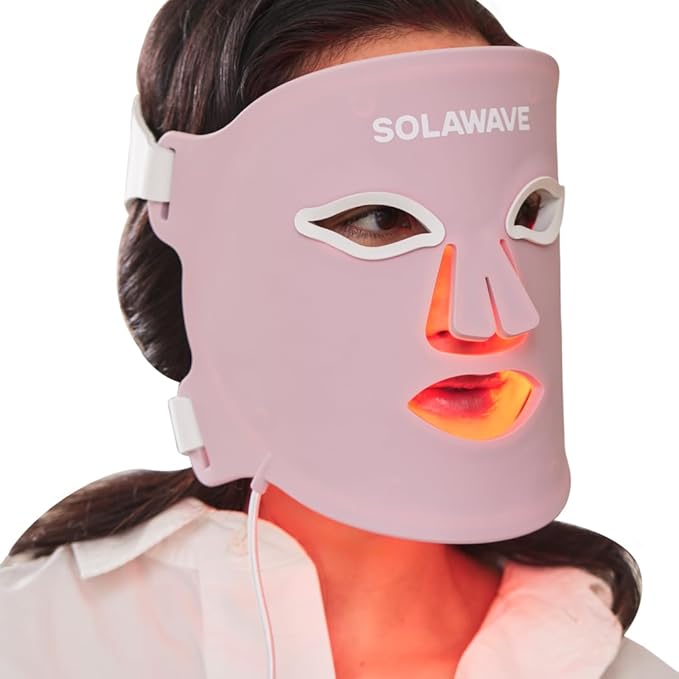
Solawave LED Light Therapy Face Mask (Red, Deep Red, NIR, Amber)
Solawave's four-wavelength mask is the closest in spectral output to what the EyeCare Max Pro delivers around the eyes, but it also covers the rest of the face. The deep red (660 nm) and near-infrared (850 nm) channels are the relevant ones for periorbital collagen; the amber channel layers in pigment and redness support. It is a rigid mask with eye cutouts, so the LEDs sit close to the crow's feet zone without pressing the eyelid. Ten-minute sessions, four to five times a week, are the sweet spot. Solawave LED Light Therapy Face Mask.
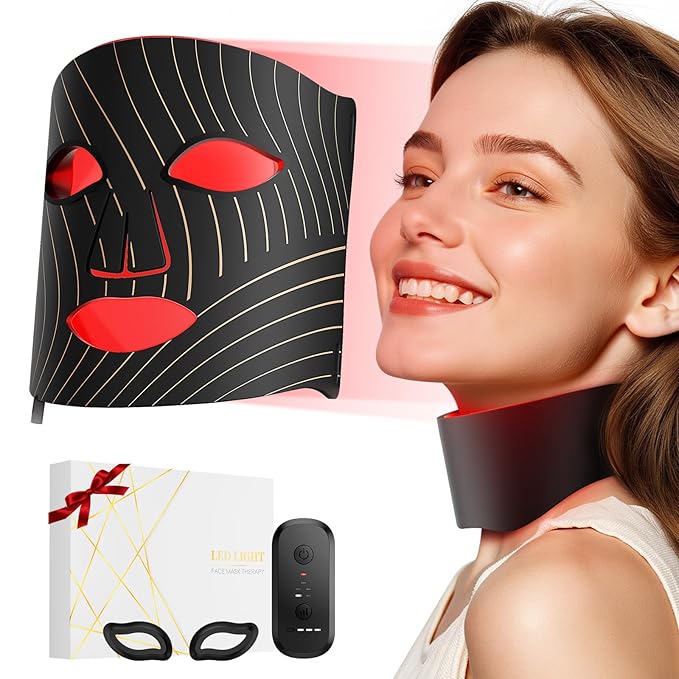
ONLUKY Red Light Therapy LED Face Mask with Neck
ONLUKY's value play adds a neck attachment, which matters because the platysma drags down the periorbital region as it ages — treating the neck alongside the face is a small but real lift advantage over eye-only devices. The 630 nm and 850 nm dose is comparable to mid-tier masks. The fit is silicone-flexible rather than rigid, which is more comfortable for side-sleeping treatments but sits slightly farther from the skin than a goggle-style device. ONLUKY Red Light Therapy for Face.
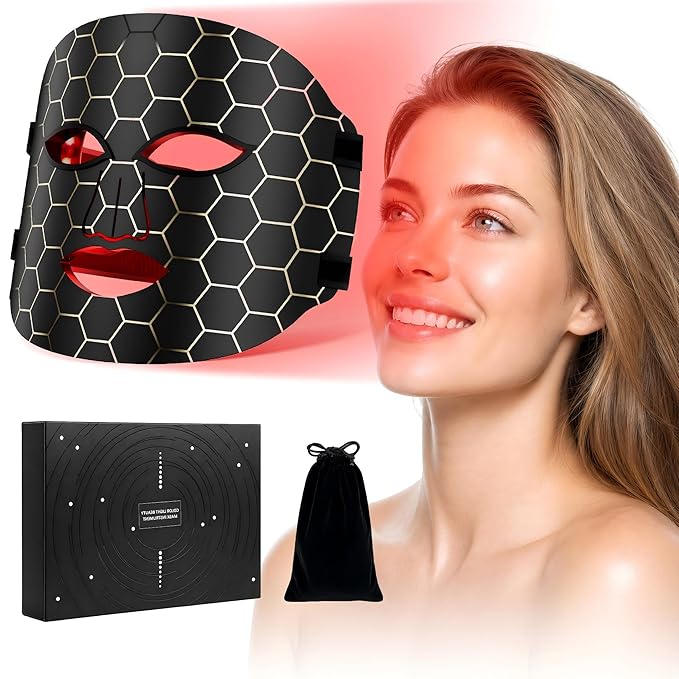
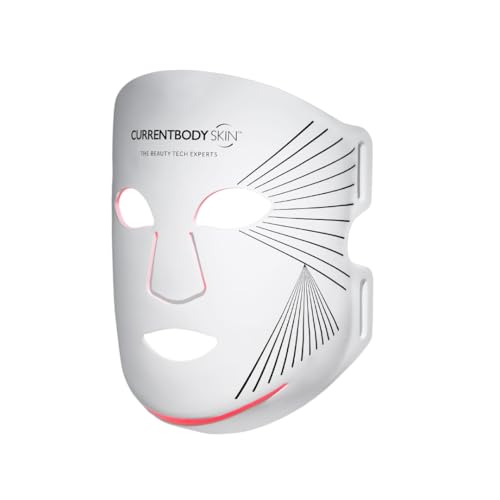
LED Face Mask, 7 Light Modes, Flexible Silicone
This flexible-silicone seven-mode mask is the most travel-friendly option in the list. The red and near-infrared modes are the two you will actually run for crow's feet; the other five (blue, green, yellow, cyan, purple) are auxiliary. The fold-flat form factor means it can ride in a carry-on without crushing, useful if you are trying to maintain a streak through travel weeks. View on Amazon.
NEWKEY 4D LED Red Light Therapy Face Mask, 630 nm
NEWKEY's 4D contoured mask hugs the cheek and orbital ridge more tightly than flat masks, which means LEDs sit closer to the crow's-feet zone without needing direct eye contact. The 630 nm dose is dialed for facial use rather than eye-area specifically, but the proximity advantage matters for periorbital outcomes. NEWKEY 4D LED Red Light Therapy Mask for Face Skin Glowing.
Verfubo FDA-Cleared Red Light Therapy for Face & Neck
Verfubo's FDA-cleared device is the regulatory-clearance pick for buyers who specifically want a Class II 510(k) wavelength mask rather than a general-consumer device. Clearance does not guarantee superior outcomes, but for a workhorse daily mask you want to use under your dermatologist's nose, it is a meaningful credential. See on Amazon.
How to stack LED + microcurrent for crow's feet
The Dr Dennis Gross DRx SpectraLite EyeCare Max Pro vs ZIIP Halo for crow's feet decision does not have to be either/or. If you are buying both (or pairing a full-face LED mask with the Halo as a substitute), the routine that consistently moves the needle on the outer canthus is:
- Mornings (Mon, Tue, Thu, Fri): three-minute EyeCare Max Pro session or a 10-minute full-face LED session, on bare clean skin before any serums. Apply moisturizer and SPF after.
- Evenings (Wed, Sat): five-minute ZIIP Halo "Eye" treatment with GelStream gel, then a peptide eye cream. Lymphatic glide outward, no tugging on the eyelid.
- Sunday off. Recovery day for the orbicularis and fibroblasts both.
Most readers who run this stack for six weeks report visible softening of static lines and a clear difference in the dynamic crinkle when smiling. For a deeper look at building a full periorbital protocol, see our guides on the best microcurrent devices for the eye area in 2026 and red light therapy wavelengths for collagen explained.
Who should pick which
Choose the Dr Dennis Gross EyeCare Max Pro if you want a no-thinking, no-gel, hands-free three-minute habit, your crow's feet are mostly static (visible at rest), and you are comfortable waiting six to ten weeks for compounding LED results. Choose the ZIIP Halo if your concern is the dynamic crinkle when you smile, you want a same-day visible lift before events, and you are willing to budget for ongoing GelStream consumables. Choose both if your budget allows — they target different drivers of the same wrinkle, and the Dr Dennis Gross DRx SpectraLite EyeCare Max Pro vs ZIIP Halo for crow's feet question is best answered by stacking, not picking.
For a broader landscape view, also see our roundup of the best LED masks for fine lines in 2026 before locking in.
Frequently Asked Questions
Does the Dr Dennis Gross EyeCare Max Pro actually work on deep crow's feet?
On etched static lines that show at rest, yes — most users see softening within six to ten weeks of daily three-minute sessions because 633 nm red and 830 nm near-infrared LED upregulate fibroblast collagen synthesis. On deep wrinkles caused by significant volume loss in the lateral orbit, LED alone will not be enough; that is filler or fractional laser territory.
Can I use the ZIIP Halo and EyeCare Max Pro on the same day?
Yes, and many users do. The protocols do not interfere — LED is photonic, microcurrent is electrical. The only rule is to LED first on dry clean skin, then apply the GelStream and run the Halo afterwards. Don't run microcurrent over a freshly applied serum that has not absorbed.
Is ZIIP Halo or EyeCare Max Pro better for under-eye bags versus crow's feet?
For under-eye bags (puffiness from lymphatic stasis), the ZIIP Halo wins clearly because microcurrent moves periorbital lymph in real time. For crow's feet specifically — the lines radiating from the outer canthus — they target different mechanisms and the EyeCare Max Pro has the edge on static line softening while the Halo has the edge on dynamic crinkle.
How long until I see results from either device?
ZIIP Halo gives same-day transient lift visible in the mirror immediately, with durable change at four to six weeks of twice-weekly use. EyeCare Max Pro gives no immediate visible change; durable softening emerges at six to ten weeks of daily use. If you need a wedding-week result, the Halo is the answer.
Can a full-face LED mask replace the EyeCare Max Pro for the eye area?
Mostly yes if the mask has 630–660 nm red and 830–850 nm NIR channels and a rigid or well-contoured form factor that keeps the LEDs close to the orbital ridge. The trade-off is that flat masks sit slightly farther from the crow's feet zone than the EyeCare Max Pro goggle, so dose-per-square-cm is a touch lower. You compensate by running longer sessions (10 minutes instead of 3).
Are there contraindications for either device around the eyes?
Yes — do not use the ZIIP Halo if you are pregnant, have a pacemaker, or have active facial nerve issues like Bell's palsy. Do not use the EyeCare Max Pro if you take photosensitizing medications (some antibiotics, oral retinoids, lithium) without checking with your dermatologist. Neither device should be used over active periorbital infection or recent cosmetic injectables within two weeks.
What is the realistic ongoing cost of each device?
EyeCare Max Pro: $199 upfront, near-zero ongoing — the LED panels are rated for roughly 600 cumulative hours, which is about five years of daily three-minute use. ZIIP Halo: $595 upfront plus roughly $45 every two months for GelStream conductive gel, or about $270 per year in consumables. Over five years the total cost gap narrows from $396 to roughly $1,750, which is worth factoring into the decision.
Key Takeaways
- Choosing the right Dr Dennis Gross DRx SpectraLite EyeCare Max Pro vs ZIIP Halo for crow's feet means matching the key features to your specific needs and budget
- Read real customer reviews and check the return policy before you commit
- Also covers: best device for crows feet at home
- Also covers: led eye mask vs microcurrent crows feet
- Also covers: ziip halo eye area program
- Compare value across models — the priciest option is not always the best fit