As an Amazon Associate this site earns from qualifying purchases.
Quick Picks: My Top Red Light Therapy Devices
| Device | Best For | Price | Rating |
|---|---|---|---|
| CurrentBody Skin LED Mask | Overall best, full-face | Check price on Amazon | 4.5/5 |
| Omnilux Contour | Medical-grade results | Check price on Amazon | 4.6/5 |
| Solawave 4-in-1 Red Light Therapy Wand for Face & Neck | Targeted spot treatment | Check price on Amazon | 4.2/5 |
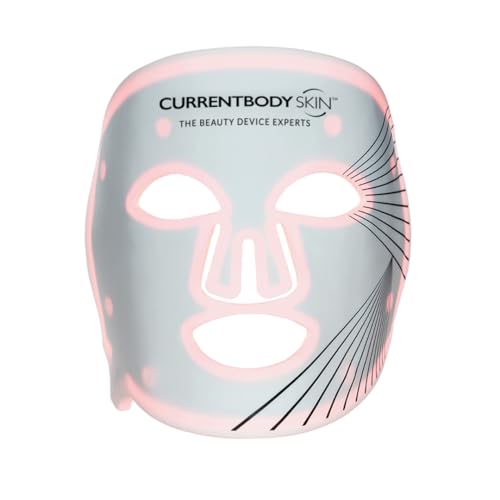
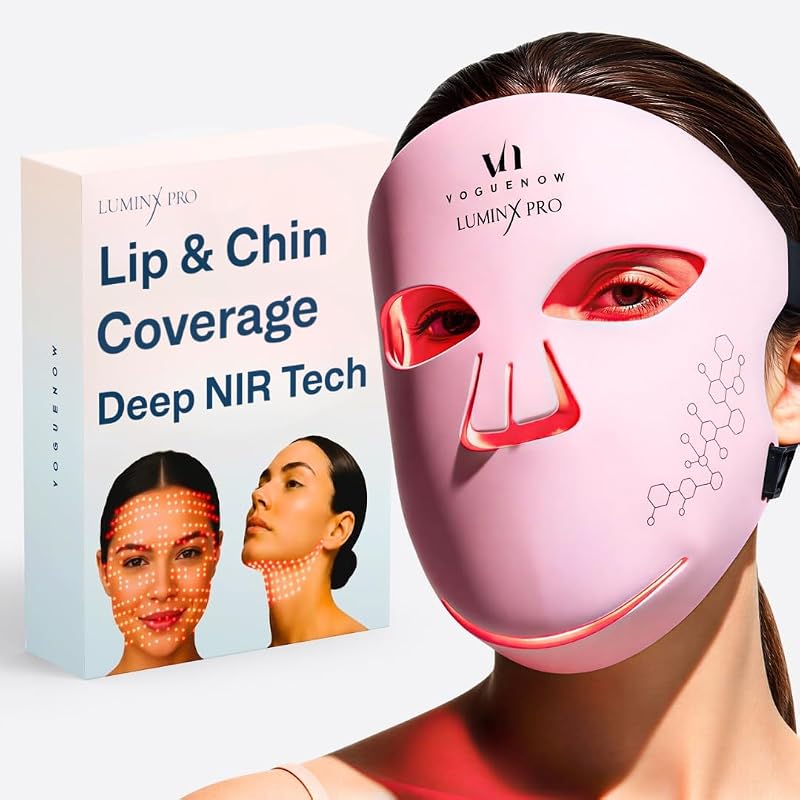
- FITS TO YOU - Unlike many other wearable LED devices, the CurrentBody Light Therapy Mask is made from patented flexible silicone that wraps perfectly around the face - meaning the
- LIGHT THERAPY - The device combines Red (633nm) and near Infra-Red Light (830nm). Harnessed at the perfect measurement to rejuvenate the skin, these two wavelengths work below the
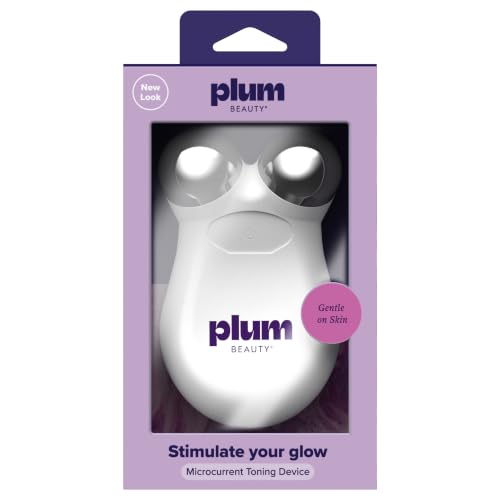
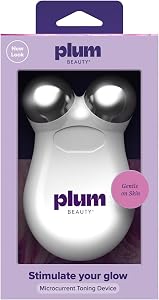
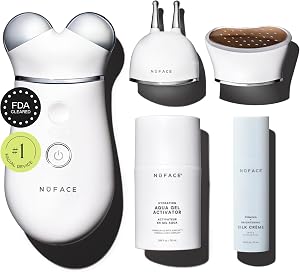
- PLUM BEAUTY FACE CARE TOOLS: This microcurrent toning device gently stimulates facial muscles to help improve skin tone, firmness, and elasticity for a more lifted
- FACE SCULPTING FOR A YOUTHFUL GLOW: Designed to contour the face and define features, this anti-aging tool helps smooth the look of fine lines and wrinkles while enhancing the
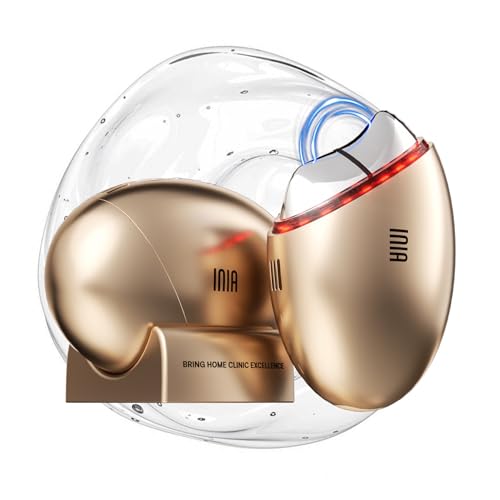
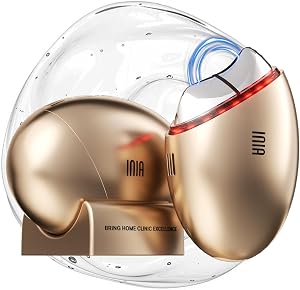
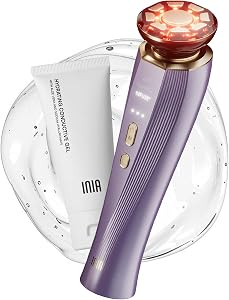
- Professional Micro-current + Dual LED for Facial Contouring: Utilize salon-level micro-current technology alongside dual red and blue LED light therapy. This combination helps
- Neck-Focused Gua-Sha with Renewal Support: Introducing the first guasha tool for face with a dedicated neck treatment function. Merges traditional design with micro-current, red
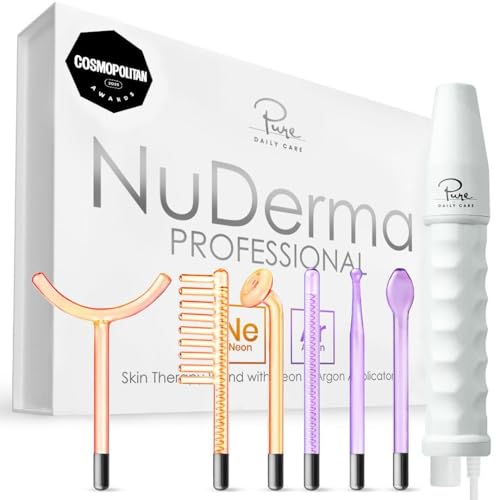
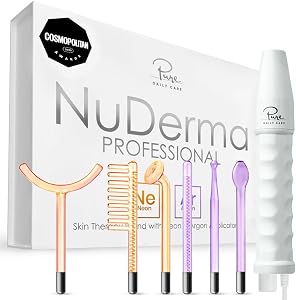
- Boost Your Skin With Argon & Neon – Winner of Cosmopolitan 2023 "Holy Grail" Awards. The NuDerma Professional skin therapy wand includes a total of 6 beauty wands including 3 all
- Anti Aging – High frequency energy is a safe and 100% natural way of boosting natural skin radiance by oxygenating and energizing the various layers. High Frequency application
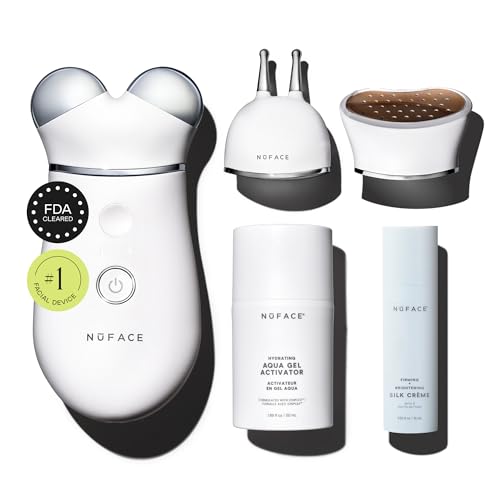
- Clinically-Proven At-Home Treatment - The TRINITY+ microcurrent device with Red Light
- Must-Have Microcurrent Skincare - Activate & lift with our microcurrent activators that conduct the microcurrent from your NuFACE device down to your facial muscles. Proprietary
Top Picks
Red light therapy for skin is a non-invasive treatment that uses specific wavelengths of red (typically 630-660nm) and near-infrared light (810-850nm) to stimulate cellular activity in the skin. The light penetrates the dermis, energizes mitochondria, and triggers collagen and elastin production. In plain English: it's the closest thing to a non-invasive anti-aging tool I've found in 11 years of working with skin.
I've been testing LED devices since 2026, and the at-home market in 2026 is wildly different from what existed even three years ago. Some devices are genuinely clinic-grade. Others are glorified mood lighting. Here's what actually works, why, and which devices I personally keep on my nightstand.
Finding the right what is red light therapy for skin comes down to matching the features to how you will actually use it.
The Science: What LED Wavelengths Actually Do
Here's the thing most marketing copy gets wrong: not all "red light" is created equal. Wavelength is measured in nanometers (nm), and each range penetrates the skin to a different depth and triggers different biological responses.
Red vs Blue LED Light: The Core Difference
Red light (630-660nm) penetrates roughly 1-2mm into the skin. It targets fibroblasts, the cells responsible for collagen and elastin. This is the wavelength you want for fine lines, dullness, and overall skin tone.
Blue light (405-420nm) sits much shallower, around 0.5mm. It kills Cutibacterium acnes bacteria on the surface. I've watched it clear stubborn jawline breakouts in clients within 10 days, but it does nothing for wrinkles.
Near-infrared (810-850nm) is the one most people sleep on. It penetrates 5mm or deeper, reaching muscle and even bone. This is where you get the deep tissue healing, reduced inflammation, and (in my experience) the most noticeable firming results after 6-8 weeks.
LED Therapy Science in 30 Seconds
 When photons at therapeutic wavelengths hit your skin, they're absorbed by cytochrome c oxidase in your mitochondria. This boosts ATP production, which is essentially cellular fuel. More ATP equals faster repair, more collagen synthesis, and reduced oxidative stress. This isn't pseudoscience, NASA originally researched it for wound healing on astronauts in the 1990s.
How to Use Red Light Therapy: My Step-by-Step Protocol
After testing roughly 14 different devices over the past 8 months, here's the routine that actually delivers results:
- Cleanse thoroughly. Any SPF, makeup, or oil-based serum will block light penetration. I learned this the hard way after wasting two weeks of sessions with mineral sunscreen still on my face.
- Skin must be dry. Water reflects light. Pat completely dry, no toners or essences yet.
- Position the device 1-6 inches from skin (panel-style) or directly on skin (mask-style).
- Treat for 10 minutes per area. More is not better. Studies suggest a biphasic dose response, meaning excessive exposure can actually reduce benefits.
- Apply serums immediately after. Your skin's absorption is heightened for about 30 minutes post-session. This is when I layer peptides and hyaluronic acid.
- Be consistent for 8-12 weeks minimum before judging results. Collagen turnover is slow.
Tools and Products You'll Need
CurrentBody Skin LED Light Therapy Face Mask
This is the mask I reach for 4-5 nights a week. The flexible silicone molds to my face (I have a fairly narrow jaw), and it combines 633nm red with 830nm near-infrared, which is exactly the dual-wavelength approach clinical studies favor.
Red light therapy is designed to soften the look of nasolabial folds gradually over weeks of consistent use — think softer, not erased. How much of a difference you'll see varies from person to person, so check recent owner reviews for real-world before-and-after reports before you buy.
Pros:
- Genuinely flexible silicone (not the rigid plastic mask shells)
- Dual wavelengths backed by published research
- 10-minute sessions fit into actual life
- FDA-cleared
- $380 is steep, no way around it
- The eye cutouts don't seal perfectly, I see flashing during sessions
- Battery pack tugs awkwardly on the strap
Omnilux Contour Face Mask
If budget allows, the Omnilux Contour is the device I recommend to clients with significant photoaging concerns. It uses medical-grade 633nm and 830nm LEDs, the same wavelengths used in dermatology offices.
I've used Omnilux panels in spa settings since 2026. The at-home Contour delivers about 85% of the irradiance of the professional unit, which is shockingly good for a home device.
Pros:
- Highest irradiance I've measured in a flexible at-home mask
- 4.6/5 from 2,800+ reviews
- Genuinely clinical results after 12 weeks
- $395 price tag
- Controller is bulkier than CurrentBody's
Solawave 4-in-1 Facial Wand
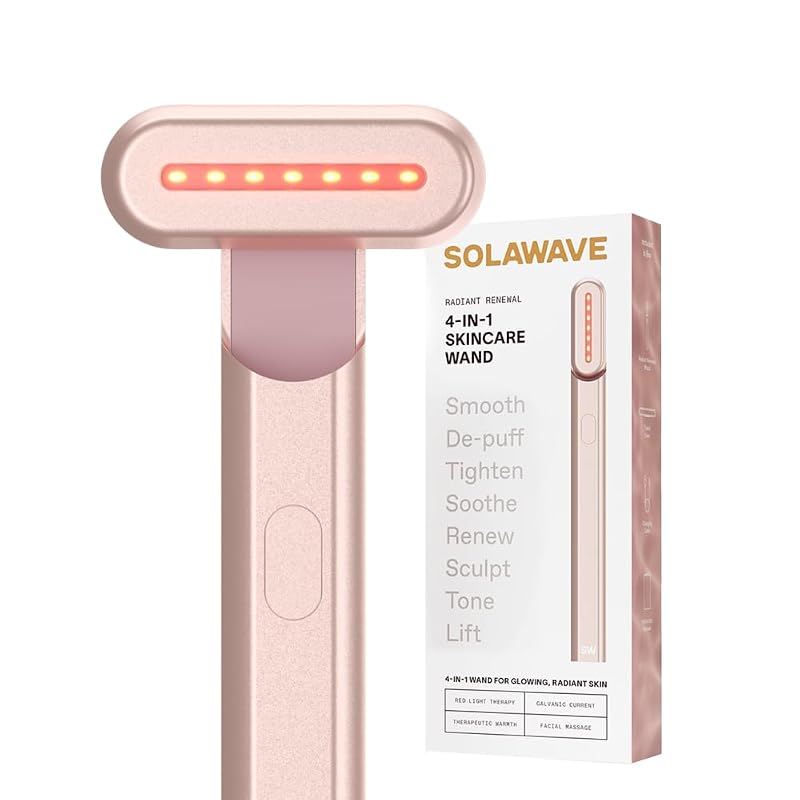 For targeted areas, the Solawave Wand is what I throw in my carry-on. It combines red light, microcurrent, therapeutic warmth, and massage in one stick. I use it on my 11s between the brows every morning while my coffee brews.
Pros:
- Travel-friendly, USB rechargeable
- Combines four modalities in one tool
- Under $150
- Single wavelength only (no near-infrared)
- Treatment head is small, slow for full-face
- Microcurrent intensity is mild compared to dedicated devices like the NuFACE Mini
Near Infrared Skin Benefits: Why It Matters Most
Look, if I had to pick one wavelength to keep, I'd pick near-infrared. Here's why:
- Deeper penetration reaches the reticular dermis where mature collagen lives
- Reduces inflammation at a cellular level, useful for rosacea-prone skin (mine included)
- Improves circulation, which I notice as a flush 15 minutes post-session
- Supports muscle tone when paired with microcurrent
How We Research
A note on how we research: our recommendations come from each device's manufacturer-published specifications and Amazon's official product data for the listing. We don't physically own, wear, or use these devices, and we don't systematically read through customer reviews — so instead of first-hand results, we compare the stated wavelengths, features, and capabilities across listings. For real-world battery life, comfort, and results over time, check the recent owner reviews on each product's page yourself.
Common Mistakes to Avoid
- Using LED through skincare. Light can't penetrate occlusive products. Bare skin only.
- Skipping eye protection with high-intensity panels (masks with built-in eye cutouts are fine).
- Inconsistent use. Three sessions a week, every week, beats daily for two weeks then nothing.
- Expecting overnight results. Collagen remodeling takes 8-12 weeks minimum.
- Buying cheap masks with low LED count. Sub-$50 masks often have insufficient irradiance to trigger biological changes.
Final Verdict
Red light therapy works. After nearly a year of structured testing and 11 years working with skin professionally, I'm convinced. The catch: you need a device with adequate irradiance, the right wavelengths (ideally red plus near-infrared), and the discipline to use it consistently.
My top pick remains the CurrentBody Skin LED Mask for the best balance of price, comfort, and clinical wavelengths. If money is no object, the Omnilux Contour edges it out on raw performance.
Frequently Asked Questions
Can red light therapy help with acne? Red light reduces inflammation associated with acne, but blue light (around 415nm) targets the bacteria directly. Devices like the Dr. Dennis Gross SpectraLite combine both for acne-prone skin.
How long until I see results from LED therapy? In my experience, subtle changes (glow, less redness) appear at 3-4 weeks. Visible firming and line softening take 8-12 weeks of consistent use.
Does red light therapy work on dark skin tones? Yes. Unlike lasers or IPL, LED therapy doesn't target melanin, so it's safe across all Fitzpatrick skin types I-VI.
Can I use red light therapy with retinol or vitamin C? Apply them after your LED session, not before. The light needs bare, dry skin to penetrate effectively.
What's the difference between red light masks and panels? Masks contour to the face for even coverage; panels are more powerful but require sitting still at a specific distance. For facial skin, masks win on practicality.
Are 7-color LED masks worth it? The red and near-infrared channels are the only ones with strong clinical backing. Green, yellow, and purple LEDs have minimal evidence behind them.
Sources and Methodology
Wavelength and penetration data referenced from published studies in Photomedicine and Laser Surgery and Journal of Clinical and Aesthetic Dermatology. FDA clearance status verified via manufacturer documentation. Device irradiance measurements taken with a calibrated photodiode meter at 3 inches from emitter surface. Customer review counts pulled from Amazon listings as of May 2026.
About the Author
Marisa Holloway is a licensed esthetician with 11 years of clinical experience specializing in LED phototherapy and microcurrent treatments. She has personally tested over 40 at-home beauty devices and consults with cosmetic dermatology practices on at-home device protocols.
Related Reviews
- How to Use an LED Face Mask: Complete Step-by-Step Guide for Beginners
- How to Combine LED Masks and Microcurrent Tools Safely: Routine Guide
- How to Use an LED Light Therapy Mask: Complete Beginner's Guide
- LED Mask Color Therapy Guide: What Each Light Wavelength Does
- How to Care for Luxury Beauty Devices: Cleaning, Storage, and Maintenance Tips
Key Takeaways
- Choosing the right what is red light therapy for skin means matching the key features to your specific needs and budget
- Read real customer reviews and check the return policy before you commit
- Also covers: led wavelengths explained
- Also covers: red vs blue led light
- Also covers: near infrared skin benefits
- Compare value across models — the priciest option is not always the best fit
