Specification and Zone-Coverage Table
| Device | Type | Stated zones | Light / color | Extra functions | Price |
|---|---|---|---|---|---|
| INIA SPHERA 8-in-1 | Microcurrent | Face & neck | Red light | Thermal & cooling, 5 custom modes | $179.99 |
| Microcurrent 5-in-1 | Microcurrent | Face, neck, eye area | 5-color face light therapy | Skin tightening & lifting | $169.99 |
| INIA Flare 3-in-1 | Microcurrent | Face and neck | Red light therapy | Heat & vibration | $109.99 |
| NUFACE Trinity+ + LED | Microcurrent | Neck (stated), face | LED red light | FDA-cleared | $495 |
| NUFACE Trinity+ (Activator) | Microcurrent | Jawline & neck | Not stated | 3 frequencies, lymphatic drainage support, activator gel | $395 |
| NUFACE Trinity+ + Lip & Eye | Microcurrent | Targeted lip & eye, face | Not stated | FDA-cleared, targeted lift | $495 |
Last Updated: July 28, 2026
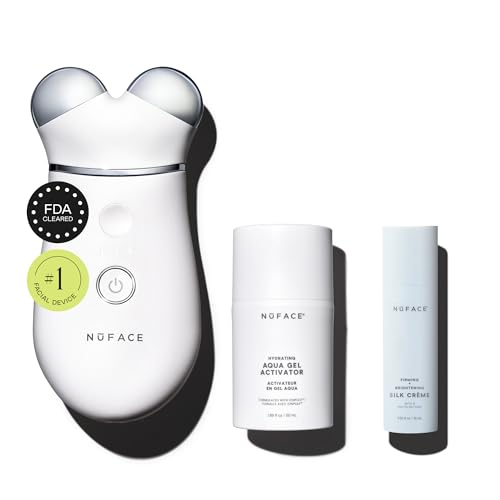
- The Original Lift Authority: TRINITY+ is the most advanced FDA-cleared microcurrent facial device, delivering 3 customizable frequencies & intensities across multiple depths to
- Face Lift Device & Skin Tightening: Microcurrent supports collagen and elastin production. Sculpts cheeks, lifts brows, firms and smooths skin with gentle waves that mimic a
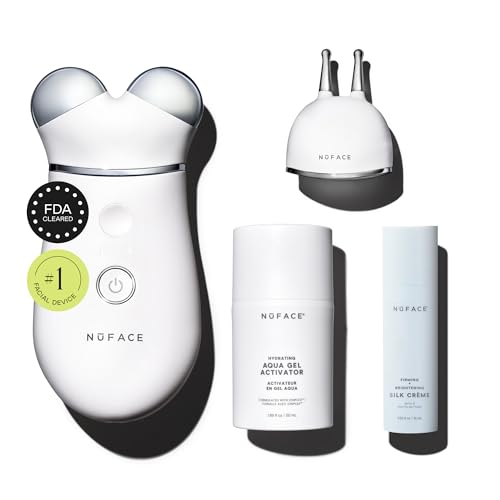
- Clinically-Proven At-Home Treatment - The TRINITY+ microcurrent skin tightening device with Effective Lip & Eye Attachment uses the clinically proven benefits of microcurrent
- Must-Have Microcurrent Skincare - Activate & lift with our microcurrent activators that conduct the microcurrent from your NuFACE device down to your facial muscles. Proprietary
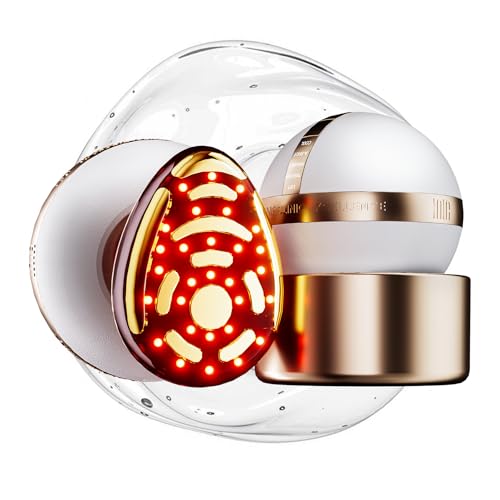
- All-in-One Beauty Technology: Simplify your skincare routine with one versatile device designed for over-the-counter aesthetic care. INIA SPHERA beauty device integrates 8 beauty
- 5 Targeted Modes for Customized Skincare Routines: The INIA microcurrent facial device Tailor your treatment to your skincare goals with five dedicated modes. Mode 1: Define
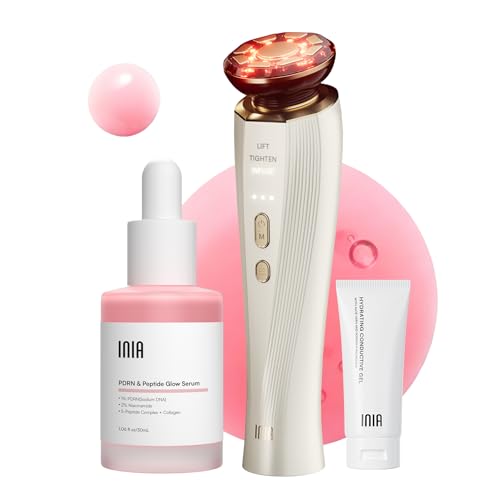
- 3-in-1 Professional Facial Device: Featuring three specialized modes—LIFT, TIGHTEN and INFUSE—this red light therapy device for face offers customizable treatments with adjustable
- LIFT Mode for Contouring & Radiance: Combining vibrational massage with red light therapy, this mode of the INIA Flare microcurrent facial device helps energize tired-looking skin
The Short Answer
An LED mask is a whole-face tool: light does not need to be steered, so you treat the entire covered surface at once and let the panel do the work. A microcurrent device is a zone-by-zone tool: you actively glide it across specific muscle groups, and the zones that reward the effort most are the jawline, the cheeks and mid-face, the forehead and brow, and the neck.
Finding the right which facial zones to treat with an led mask or microcurrent comes down to matching the features to how you will actually use it.
Work microcurrent from the center of the face outward and from the bottom up, one zone at a time, so you lift toward the hairline and ears rather than dragging tissue down. LED and microcurrent target different things, so most people run the mask over the full face and reserve the microcurrent glides for the areas where sag, puffiness or expression lines actually show.
Why the Two Tools Map to Different Zones
LED is passive coverage, microcurrent is active steering
Light therapy works by exposure. Wherever the diodes sit over skin, that skin is being treated, so there is no "zone selection" beyond making sure the mask actually contacts the areas you care about. The failure with a mask is almost never targeting; it is gaps, distance and skipped sessions.
Microcurrent is the opposite. A low-level current follows the path you draw with the device, so the zone you glide over is the zone that responds. That is why a microcurrent routine is described as a sequence of strokes, and why order and direction matter far more than they do with light.
The four zones that earn the most from microcurrent
The jawline and lower face is where most people notice loss of definition first, and it is the flagship zone for contouring tools. The cheeks and mid-face respond with a lifted, less flat look. The forehead and brow soften horizontal lines and can lift a heavy brow. The neck is the most skipped zone and often the one that gives away age, which is why several devices below explicitly cover face and neck.
Step-by-Step: Treating Your Zones in the Right Order
- Cleanse fully and dry your hands. Any leftover makeup or oil creates patchy contact. Gotcha: heavy silicone primers can insulate the skin enough to weaken a microcurrent connection, so double-cleanse if you wear one.
- Apply conductive gel for microcurrent, generously. Microcurrent needs a wet, conductive layer to carry the signal. Gotcha: the single most common mistake is too little gel or letting it dry mid-glide, which the device may read as no contact. A tool like the NUFACE Trinity+ that ships with an activator gel removes the guesswork of sourcing your own.
- Start at the neck and work up. Glide upward from the base of the neck toward the jaw. Gotcha: never drag downward on the neck; you want every stroke lifting toward the head.
- Move to the jawline, center to ear. Place the device at the chin and glide back along the jaw toward the earlobe, then repeat. Gotcha: keep both conductive spheres or plates in contact; lifting one breaks the circuit.
- Treat the cheeks, bottom to top. Start near the corner of the mouth and glide up and out toward the temple. Gotcha: follow the cheekbone, not the under-eye hollow, unless you have a dedicated eye attachment.
- Finish the forehead, brow to hairline. Glide upward from the brow into the hairline, then out toward the temples. Gotcha: go slowly here; fast passes over expression lines do less than deliberate, repeated strokes.
- Do the eye and lip area only with the right attachment. These are delicate zones. Gotcha: do not improvise a full-size device around the eyes; use a purpose-made attachment such as the NUFACE lip and eye add-on, or a device that lists the eye area in its coverage.
- Then run your LED mask over the whole face. Because light is passive, this is a sit-and-wait step. Gotcha: press or strap the mask close and keep eyes protected per the device instructions; distance and drift reduce the dose.
What Goes Wrong, and How to Fix It
The device beeps or flashes "no contact"
Symptom: your microcurrent tool will not complete a stroke or keeps signalling a lost connection. Cause is almost always dry or insufficient conductive gel, or one contact point lifting off the skin. Reapply gel to a visibly wet layer and keep both contacts flat against the face.
One side looks lifted and the other does not
Symptom: asymmetry after a session. This comes from spending more strokes on your dominant-hand side. Fix it by counting passes per zone and mirroring them, or by timing each side equally.
You feel nothing at all
Symptom: no tingle, no visible change. On microcurrent, a correct low-level current is often barely perceptible, so "feeling nothing" is not proof of failure, but a dead connection is. Check the gel, check the battery or charge, and confirm the intensity is not set to its lowest step. Devices with multiple modes, like the INIA SPHERA with its 5 custom modes, let you step up if the lowest setting does nothing for you.
Redness or a heated feeling in one zone
Symptom: a patch feels hot or looks flushed. Several devices add thermal or heat functions, such as the INIA SPHERA's thermal and cooling and the INIA Flare's heat and vibration. Over a thin-skinned zone that warmth adds up. Shorten your dwell time in that zone, use any cooling mode the device offers, and stop if it stays uncomfortable.
The mask leaves untreated stripes
Symptom: some areas improve and a band across the face does not. With an LED mask this is a fit problem, not a targeting problem. The mask is bridging over the nose or cheekbones and leaving gaps. Re-seat it, tighten the strap, and make sure the panel actually touches the zones you care about.
You skip the neck
Symptom: a lifted face above a slack neck. The neck is the most under-treated zone. Build it into the routine as step three above, and prefer a device whose data lists neck coverage so you are not straining a face-only tool down past the jaw.
When the Fix Is a New One
Keep working with what you own if the only issues are technique: gel, contact, order and consistency. Replace the tool when the hardware itself is fighting you. The honest signals are: it will not hold a charge through a full multi-zone session, a contact plate has stopped conducting no matter how much gel you use, or the device simply does not cover a zone you now care about, most often the neck or the eyes.
If your problem is the neck and lower face
A tool built and stated for jawline and neck removes the strain of forcing a face-only device downward. The NUFACE Trinity+ Skin Tightening & Face Lift Device is stated to contour the jawline and neck with three frequencies and ships with an activator gel, so your conductive layer is handled. Check Price on Amazon
If your problem is the eyes and lips
Those zones need a purpose-made contact, not an improvised full-size head. The NUFACE Trinity+ with Lip & Eye Attachment is FDA-cleared and made for targeted lift in exactly those delicate areas. Check Price on Amazon
If you want light and microcurrent in one, at a lower entry price
Combining a red-light function with microcurrent means one pass covers more of what each zone needs. The INIA SPHERA 8-in-1 pairs microcurrent with red light plus thermal and cooling across face and neck and adds 5 custom modes, while the INIA Flare 3-in-1 keeps it simpler with red light, heat and vibration for face and neck. Check Price on Amazon Check Price on Amazon
Before buying any device for a specific concern, it is worth confirming its clearance and reading current owner reviews yourself rather than taking a summary on faith. For clearance status you can check the U.S. Food and Drug Administration at fda.gov.
FAQ
Do I treat the same zones with an LED mask and a microcurrent device?
Not in the same way. An LED mask treats the whole covered face passively, so you do not select zones beyond ensuring contact. Microcurrent is glided zone by zone, so you actively choose the jawline, cheeks, forehead and neck.
In what order should I treat facial zones with microcurrent?
Work bottom-up and center-out: neck, then jawline from chin to ear, then cheeks from mouth to temple, then forehead from brow to hairline, finishing the eyes and lips only with a proper attachment.
Can I use microcurrent around my eyes?
Only with a device or attachment that states eye-area coverage, such as the 5-in-1 device that lists the eye area or the NUFACE lip and eye attachment. Do not improvise a full-size head over the delicate eye zone.
Why does my microcurrent device say there is no contact?
Almost always dry or insufficient conductive gel, or one contact point lifting off the skin. Reapply gel to a visibly wet layer and keep both contacts flat against the face.
Should I use LED before or after microcurrent?
A common approach is to complete the active microcurrent glides first, then run the LED mask over the full face as a passive step, since light does not need steering and the mask can sit undisturbed.
Is it normal to feel nothing during microcurrent?
A correct low-level current is often barely perceptible, so feeling little is not proof of failure. A truly dead connection is different: check the gel, the charge and the intensity setting, and step up the mode if your device offers several.
Key Takeaways
- Choosing the right which facial zones to treat with an led mask or microcurrent means matching the key features to your specific needs and budget
- Read real customer reviews and check the return policy before you commit
- Also covers: microcurrent facial zones
- Also covers: led mask treatment areas
- Also covers: how to treat jawline and neck
- Compare value across models — the priciest option is not always the best fit