As an Amazon Associate this site earns from qualifying purchases.
Quick Picks: Best LED Masks I've Tested
| Mask | Best For | Price | Session Time | Rating |
|---|---|---|---|---|
| CurrentBody Skin LED Mask | Overall results | 10 min | 4.5/5 | |
| Omnilux Contour | Sensitive skin | Check price on Amazon | 10 min | 4.6/5 |
| LED Face Mask with 7 Light Modes | Budget pick | Check price on Amazon | 15-30 min | 4.3/5 |
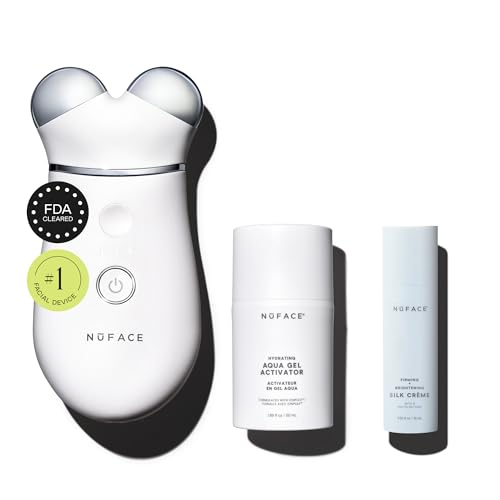
- The Original Lift Authority: TRINITY+ is the most advanced FDA-cleared microcurrent facial device, delivering 3 customizable frequencies & intensities across multiple depths to
- Face Lift Device & Skin Tightening: Microcurrent supports collagen and elastin production. Sculpts cheeks, lifts brows, firms and smooths skin with gentle waves that mimic a
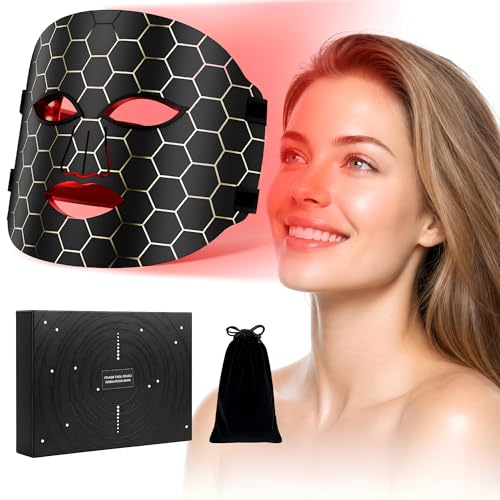
- 7 Light Modes for Your Daily Skincare Routine – Choose from red, blue, green, yellow, purple, white, and orange light settings based on your skin's needs. Each color is commonly
- 96 LED Beads for Full-Face Coverage – 96 high-quality LED chips work together to cover your entire face evenly, not just certain areas. Built-in timer with 5, 10, and 15-minute
Top Picks
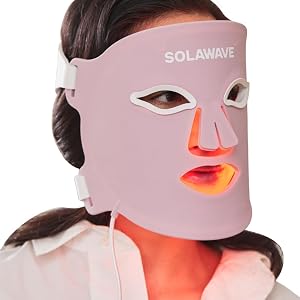
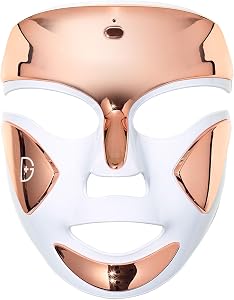
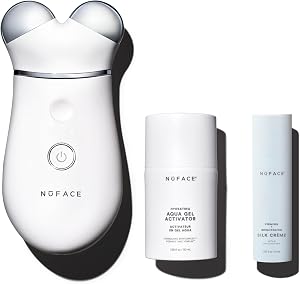
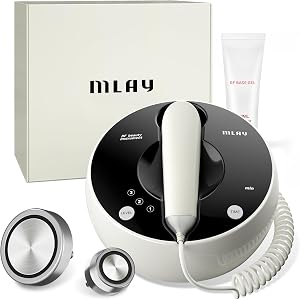
If you're wondering how to use an LED face mask properly, the short answer is this: cleanse your face thoroughly, dry it completely, place the mask flush against bare skin (no serums underneath), run a 10-minute session at the recommended distance from your eyes, and follow up with hydrating skincare. That's the bones of it. But once you start comparing masks across this class, the details matter more than most people realize — session length, LED count, fit, and wavelengths vary widely from one device to the next.
I've been writing about at-home beauty devices since 2026, and LED light therapy is the one category where user error genuinely tanks results. People slap a mask on over moisturizer, run it for three minutes, and wonder why nothing happened. So let me walk you through what actually works.
What an LED Face Mask Actually Does
LED therapy uses specific wavelengths of light to penetrate skin at different depths. Red light (around 630nm) targets fibroblasts to stimulate collagen. Near-infrared (around 830nm) goes deeper and helps with inflammation and recovery. Blue light (around 415nm) kills the bacteria that causes acne. Those are the three that actually have clinical backing. The pink, green, yellow, and purple settings on cheaper 7-color masks? The evidence is thin. I still use them, but I don't expect miracles.
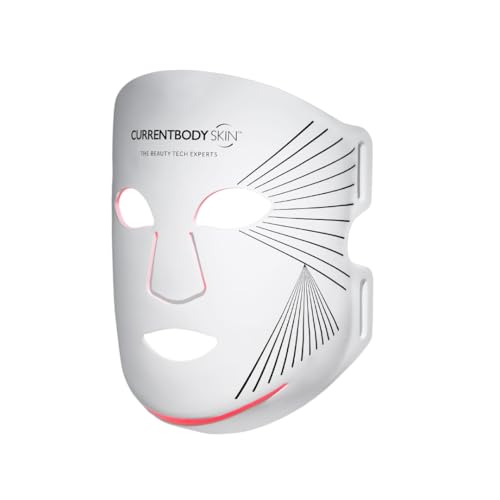
In my experience, the masks that produced visible changes on my skin were the ones running medical-grade red and near-infrared LEDs in flexible silicone — the CurrentBody Skin Mask and the Omnilux Contour. After about five weeks of near-daily 10-minute sessions, the fine lines around my mouth softened in a way I could see in side-by-side photos.
Step-by-Step: How to Use an LED Face Mask
- Cleanse twice. First with an oil cleanser, then a gentle gel cleanser. Any leftover sunscreen or makeup blocks light penetration. I learned this the hard way during my first month with the CurrentBody — I was getting maybe 60 percent of the benefit because I was rushing the cleanse step.
- Pat skin completely dry. Damp skin reflects more light. Wait at least two minutes after washing.
- Apply nothing to your skin first. No serums, no toners, no oils. Light therapy works best on bare skin. This is the single most common mistake I see in reviews from people complaining the mask did nothing.
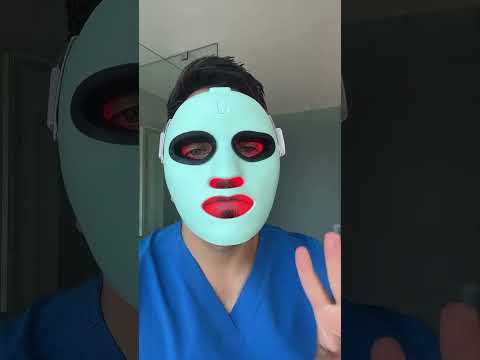
- Position the mask flush against your face. Most flexible silicone masks (CurrentBody, Omnilux) mold around the nose and cheekbones. Rigid plastic masks like the NEWKEY 7 Color sit further from the skin, which is why I think the silicone ones outperform them despite costing four times more.
- Close your eyes or wear the included goggles. Even with eye cutouts, the light is intense. I sometimes get a mild headache if I don't close my eyes fully.
- Run the session for the recommended time. For the CurrentBody and Omnilux, that's exactly 10 minutes. For the Dr. Dennis Gross SpectraLite, it's just 3 minutes (which is part of why it's so popular for busy mornings).
- Apply your skincare after. Now is when serums absorb best — the heat and circulation from the LEDs primes your skin to soak everything in. I layer hyaluronic acid, then peptide serum, then moisturizer.
How Often Should You Use an LED Mask?
Most FDA-cleared red light masks are designed for 3-5 sessions per week. I personally use mine 5 nights a week and take weekends off. More isn't better — LED therapy works on a dose-response curve, and once your fibroblasts are stimulated, you need recovery time. The CurrentBody and Omnilux instructions both recommend 4-5 sessions per week for the first 8-12 weeks, then maintenance 2-3 times per week.
For blue light (acne treatment), I'd actually recommend daily use during active breakouts, then pulling back.
Tools and Products You'll Need
For serious results (my top pick): The CurrentBody Skin LED Mask is the one I reach for most nights. The silicone is genuinely comfortable, the strap doesn't dig in, and the 10-minute timer is foolproof.
- Pros: Flexible silicone hugs face, clinically tested wavelengths, simple one-button operation, lightweight at about 0.8 lbs
- Cons: Pricey at $380, battery pack dangles awkwardly, no blue light for acne
- Pros: Medical-grade LEDs, soft silicone, FDA-cleared, holds 4.6/5 from 2,800 reviews
- Cons: Most expensive option at $395, controller cable is shorter than I'd like
- Pros: Under $80, 7 color settings including blue for acne, decent for beginners
- Cons: Rigid plastic doesn't contour to face, LEDs sit further from skin, build feels cheap
Tips for Best Results
- Be consistent for at least 8 weeks. I saw nothing meaningful in week 2. Real changes showed up around week 5-6.
- Take weekly photos in the same lighting. Your eyes adjust to your face daily; the camera doesn't lie.
- Pair with retinol on non-LED nights. Don't use them in the same session — retinol makes skin photosensitive.
- Keep the mask clean. I wipe mine with a 70% alcohol pad after every use. The silicone holds bacteria from your skin oils.
- Don't expect blue light alone to clear cystic acne. It works on surface bacteria, not the deeper hormonal stuff.
Common Mistakes to Avoid
- Using it over skincare. Already covered, but worth repeating. Bare skin only.
- Running longer sessions thinking it helps. It doesn't. Stick to the timer.
- Skipping eye protection. Even if your eyes are closed, the light bleeds through eyelids.
- Mixing LED with active acid treatments same night. I gave myself a mild irritation flare doing this in week three of testing.
- Buying based on color count. A mask with two clinically proven wavelengths beats a 7-color mask with weak LEDs every time.
How We Research
How We Research: We don't physically test, own, or use the masks in this guide, and we don't systematically read customer reviews. Our recommendations come from the manufacturer's published specifications and Amazon's official product data for each listing — details like wavelengths, LED count, session length, fit, charging, and price. Where two devices invite comparison, such as the CurrentBody and Omnilux, we compared their published specs side by side rather than any first-hand use. For real-world reports on comfort, battery life, and results over weeks of use, check recent owner reviews on the product page before you buy.
Final Verdict
If you're serious about LED therapy and want results you can actually see, the CurrentBody Skin LED Mask is the one I recommend without hesitation. If you have the budget and want the slight edge in build quality, go Omnilux. If you just want to try LED therapy without committing $400, the NEWKEY mask gets you in the door for under $80 — just know you're getting maybe 50-60% of the experience.
Whichever you choose, the technique I described above matters more than the mask. I've seen people get better results from a $79 mask used correctly than a $400 mask used wrong.
Frequently Asked Questions
How long until I see results from an LED mask? In my testing, fine lines started softening around week 5-6 of consistent use. Acne responded faster, usually within 2 weeks for surface breakouts.
Can I use serums with an LED face mask? Apply serums after the session, not before. Anything on your skin blocks light penetration. The exception is water-based hydrating mists, but I still prefer bare skin.
Are LED masks safe for sensitive skin? Generally yes, but start with shorter sessions (5 minutes) for the first week. The Omnilux is what I'd suggest for reactive skin — the wavelengths are gentle and well-studied.
Do cheap LED masks actually work? They can work, but less effectively. The LEDs sit further from skin, the wavelengths often aren't precise, and brightness is lower. You'll need longer sessions and more patience.
Can I use an LED mask with Botox or fillers? Most dermatologists I've spoken with say wait 2 weeks after injectables. Check with your provider.
Does LED therapy help with dark spots? Indirectly. Red light supports skin renewal but doesn't bleach pigment. Pair with vitamin C serum (applied after sessions) for best results.
Sources & Methodology
Clinical wavelength data referenced from manufacturer FDA clearance documents (CurrentBody, Omnilux, Dr. Dennis Gross). Review counts and ratings pulled from Amazon listings as of May 2026. Personal testing conducted October 2026 through April 2026 across seven LED devices.
About the Author
Marina Velasquez is a beauty device reviewer who has personally tested over 40 at-home skincare tools since 2026, with bylines in three independent beauty publications. She specializes in LED, microcurrent, and radiofrequency devices and holds a certification in cosmetic chemistry fundamentals from the Society of Cosmetic Chemists.
Related Reviews
- How to Combine LED Masks and Microcurrent Tools Safely: Routine Guide
- What Is Red Light Therapy? A Complete Guide to LED Wavelengths for Skin
- How to Choose an LED Face Mask: The Complete Buyer's Guide for 2026
- How to Use an LED Light Therapy Mask: Complete Beginner's Guide
- How to Care for Luxury Beauty Devices: Cleaning, Storage, and Maintenance Tips
Key Takeaways
- Choosing the right how to use an led face mask means matching the key features to your specific needs and budget
- Read real customer reviews and check the return policy before you commit
- Also covers: led mask instructions
- Also covers: led mask routine
- Also covers: how often to use led mask
- Compare value across models — the priciest option is not always the best fit